
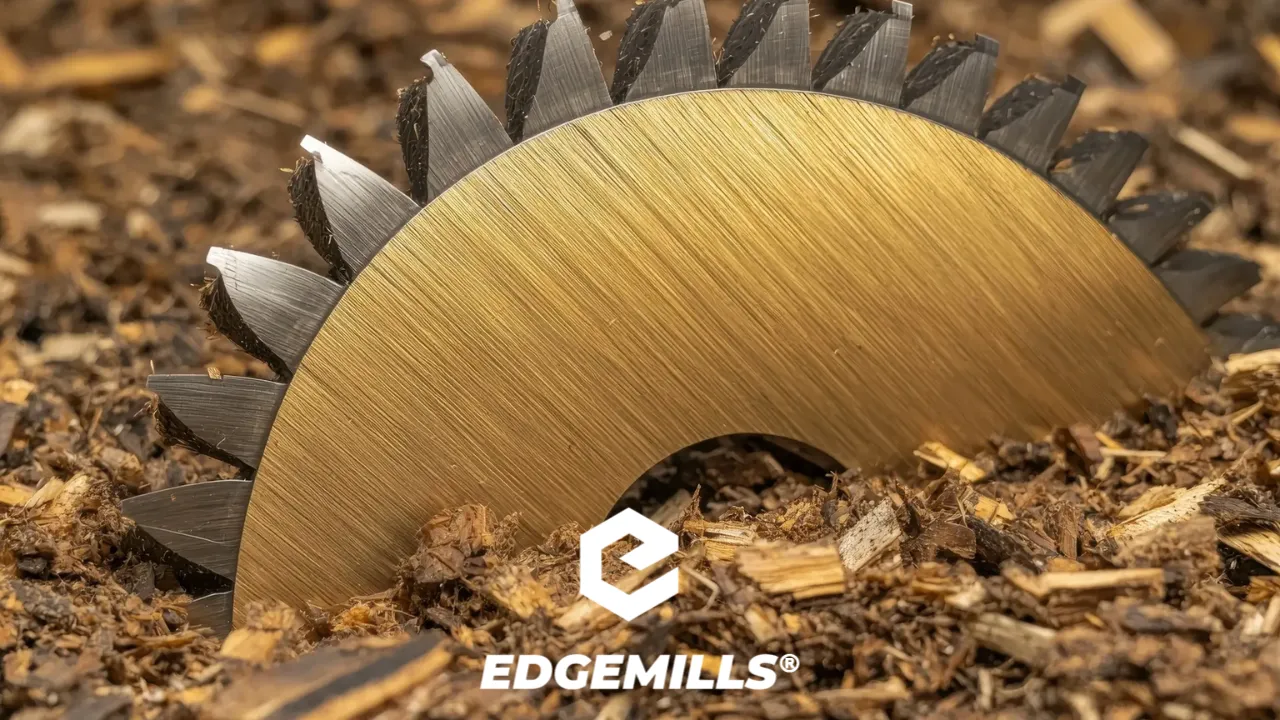
In forestry and municipal work, success comes down to time and fuel. The single most critical item affecting both is the performance of your wood chipper blades. These are much more than just simple replaceable parts. They are the true powerhouses of your machine’s chipping efficiency.
When blades get dull quickly, your fuel costs rise sharply. Engine strain increases, and production stops dead. The difference between a profitable day and a financial loss often depends on the quality of the wood chipper blades you choose. This guide helps commercial operators. We show you how to pick the right material. You will learn the essential setup. You will also calculate your true cost per hour to maximize your fleet’s uptime and profitability.
Wood Chipper Blades Steel
The type of Wood Chipper Blades you chip should always guide your blade purchase. The material composition of your chipper knife is the key factor in its wear resistance and life span. Using generic steel will cost you much more in lost production than you save on the purchase price.
The Workhorse: High Speed Steel (HSS)
High Speed Steel (HSS), like M2 or M4 grade, has been the industry standard for years. It offers excellent material durability. It can also be sharpened to an extreme sharpness. HSS works best when chipping clean, soft, or green wood. It gives you a clean cut. It also resists chipping well under normal load. This reliable balance makes it a great choice for standard operations.
The Impact Resistant Choice: A8 Tool Steel
When you face tough, knotted material or risk occasional impact, A8 tool steel is often the better choice. This modified tool steel is engineered for superior toughness. It strongly resists the kind of sudden impact that can crack harder, more brittle blades. But A8 steel can dull faster if you feed it abrasive contaminants like dirt.
When to Upgrade to Tungsten Carbide
For the best defense against very abrasive materials, use Tungsten Carbide. This is often used as a long-lasting inlay. If you chip dirty wood, old pallets, stumps, or mineral-filled composites, carbide is necessary. It costs more upfront, but its extreme hardness greatly extends blade replacement intervals. This investment dramatically cuts your downtime.
The True Cost of Operation: Tracking Your Cost Per Hour (ROI)
Fleet managers must look past the price tag of a blade. The real cost is determined by how much your machine costs to run every hour. A blade that costs twice as much but lasts five times longer saves you thousands. Your cost per hour (ROI) is the number you need to track. It accounts for the actual hours your chipper is sitting idle.
Use this simple breakdown to justify buying a premium blade:
True Cost Per Hour = (Blade Cost+Sharpening Cost+Downtime Cost) / Total Hours Run
A high-performance blade cuts down two major variables at once. It increases your Total Hours Run and slashes the hidden Downtime Cost. Stop buying the cheapest blade you can find. Start investing in the blade that delivers the lowest operational cost per hour. Ready to analyze your fleet’s true operational cost? Get a quote for an engineered solution that prioritizes your profitability.
Essential Setup: Mastering the Anvil Gap and Blade Angles
Even the best wood chipper blades will fail quickly if the machine is set up incorrectly. A correct setup is vital for maximizing chipping efficiency and life.
The Critical Setup: Why the Anvil Gap Matters
The distance between the rotor knife and the stationary anvil (anvil gap) is the most crucial setting. If this gap is too wide, the chipper tears the wood instead of making a clean shear cut. This wastes fuel. It also produces “stringy” chips instead of uniform mulch. Always set the gap using the exact measurement from your chipper manufacturer.
Maintaining the Factory Sharpening Angles
Professional maintenance and sharpening are essential for extending the blade’s life. Every blade design has a specific blade angle (usually between 30° and 45°). Keeping this angle perfect is key. Improper, high-speed grinding can overheat the steel. This heat removes the original heat treatment (temper). A lost temper causes much faster dulling and premature failure. Consistent, professional maintenance always pays for itself quickly.
Engineered Solutions from Edgemills for Every Industry
At Edgemills, we focus on engineering for uptime, not just manufacturing. We know that operators across different industries face unique material challenges. Your perfect solution needs more than just a generic size and material. It demands superior manufacturing quality.
We specialize in designing and producing customized wood chipper blades. We guarantee consistent performance every time. Whether you need a simple reversible knife or a complex, inlaid rotor blade, we ensure the correct alloy, angle, and finish. Our expertise allows us to engineer solutions for most material durability in the harshest environments.
By leveraging Custom Blade Fabrication capabilities, we help your business change its focus. You will stop reacting to failures. You will start planning for optimized performance. Partner with us to define the perfect cutting edges for your specific fleet and application. We also engineer specialized cutting solutions, including heavy-duty Wood Circular Saw Blades, for your entire forestry operation.
FAQs
How long do wood chipper blades last?
Blade life changes greatly based on the material, the blade’s steel grade, and the machine setup. Blades chipping clean, soft wood might last 20 to 30 hours between sharpenings. However, chipping dirty wood or stumps can reduce the life to under 8 hours before maintenance is needed.
How do you fix a wood chipper?
The most common “fix” needed addresses poor performance caused by dull blades. Look for the chipper losing its self-feed ability, increased engine noise, or producing stringy chips. The solution involves either flipping/replacing the dull blades or adjusting the crucial anvil gap for optimal cutting edges.
What can you chip in a wood chipper?
Wood chippers are designed only for processing wood branches, limbs, and brush. You must avoid feeding abrasive materials like rocks, metal (nails, screws), dirt-covered roots, or construction debris. These contaminants will instantly damage the precision cutting edges of your blades, accelerating wear and requiring immediate blade replacement.