
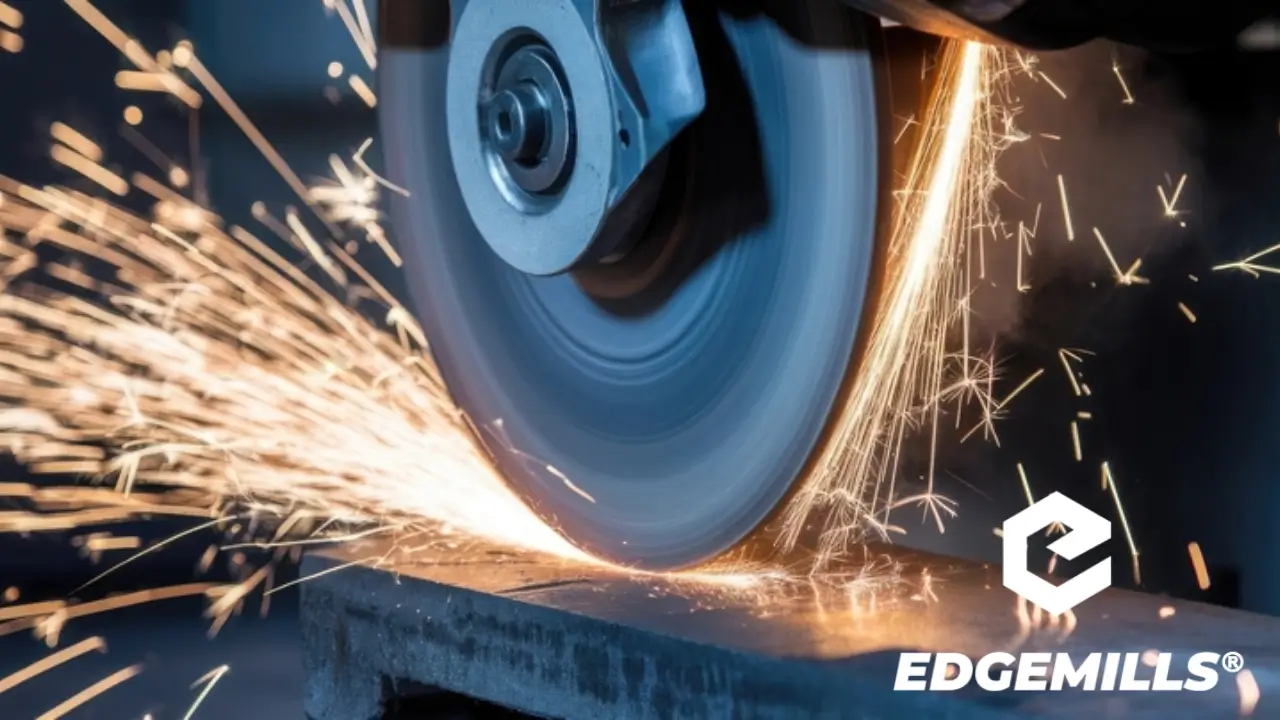
For high-volume industrial fabrication, the metal cutting circular saw blade is the shop’s engine. It’s fast, precise action controls production speed and finish quality. It also dictates your ultimate profit margins. Treating the blade as just a part is a critical error. The truly best cutting knives in this field are engineered assets. They are perfectly matched to your machine and your material. Mastering the metal cutting circular saw blade is the only sure way to guarantee maximum uptime. It minimizes waste and maintains a competitive edge. This complete guide goes past simple product facts. We detail the material science and operational factors. We use Cost-Per-Cut (CPC) analysis to maximize your shop’s efficiency.
Metallurgy and Metal Cutting Circular Blade Composition
A blade’s material is the key difference. It separates a cheap consumable from a high-performance metal cutting circular saw blade. Durability and heat resistance are vital concerns. These matter when cutting ferrous and non-ferrous metals.
The Carbide Revolution (The Industry Standard)
Standard high-speed steel (HSS) fails fast on thick metal. The extreme heat generated quickly breaks down the edge. Tungsten Carbide is a powerful solution.
- Tungsten Carbide Tips: These tips offer huge increases in hardness and heat resistance. The quality of the carbide composition is critical. Poor bonding, called brazing, causes premature tooth loss.
- Cermet (Ceramic-Metal Composite): Cermet is the premium standard in high-volume industrial shops. It is a ceramic-metal composite. Cermet stays hard at much higher temperatures than standard carbide. This makes it ideal for continuous metal cutting. High friction is unavoidable there. It greatly increases durability and the time between sharpenings.
- HSS (High-Speed Steel): HSS is still preferred for softer, thinner materials. This includes specific non-ferrous alloys or thin-wall tubing. For real industrial throughput, however, HSS lacks the necessary heat resistance. This focus on durability applies to tools like shear blades, too.
Geometry Matters: Grind and Rake Angle
The shape of the blade’s teeth is just as important as the material. This tooth design controls how heat and chips are removed.
- Triple Chip Grind (TCG): This geometry is mandatory for hard metal cutting. One flat-top tooth cuts the center of the kerf. Two wider teeth then clean the corners. This distributes the load evenly. It prevents binding and generates less heat.
- Rake Angle: This is the angle of the tooth face. A negative Rake Angle is essential for most metal cutting. It minimizes the aggressive digging action. This prevents binding and tooth chipping in thick stock. The correct teeth design ensures optimal chip load management.
Operational Mastery: Setup Factors That Define Blade Life
Even the finest metal cutting circular saw blade will fail immediately if set up incorrectly. Mastering these factors prevents overheating, cracking, and premature tooth loss.
Heat: The Blade Killer
Heat is the single greatest enemy of cutting performance and durability.
- RPM and SFM: Operators must focus on SFM, which is Surface Feet per Minute, not RPM. Running the saw too fast generates intense heat. This causes the tooth material to soften and dull rapidly. The correct RPM depends entirely on the blade diameter. It also depends on the specific metal being cut.
- Lubrication and Cooling: Effective cooling is a must. Proper lubrication minimizes friction. It maximizes the life of the stainless steel blade cutter. This is true whether you use specialized wax sticks or a coolant system. Reducing friction is key to high-speed processes. It is just as important for circular blades used in film slitting.
Feed Rate and Chip Load
The blade’s life is controlled by its Chip Load. This is the metal chip size removed by each tooth.
- Feed Rate: This is the speed at which the blade moves through the metal. A slow cutting speed can be just as damaging as a fast one. A slow feed rate grinds the material instead of cutting it. This generates excessive friction and heat.
- Chip Load Management: You want to produce a thick, C-shaped chip. A chip that is too thin means friction and heat. A chip that is too thick stresses the teeth. The perfect feed rate achieves the ideal chip load for the specific blade thickness.
TPI (Teeth Per Inch) Selection
Choosing the right tooth count minimizes vibration. It prevents tooth stripping. This choice is guided by the saw blade teeth guide, or the “3-Tooth Rule.”
- The 3-Tooth Rule: At least three teeth must be engaged in the material at all times.
- Thick Stock: This requires fewer teeth, or low TPI. This ensures a high chip load and proper material removal.
- Thin Stock/Tubing: This requires more teeth, or high TPI. This prevents the teeth from “straddling” the material. This straddling causes violent tooth stripping.
Specialized Applications: Cutting Non-Ferrous Metals
Aluminum, copper, and brass bring unique challenges. They are “sticky” metals. This leads to chip welding and edge buildup.
The Stickiness Problem
Soft metals generate less heat. However, they easily gum up the metal cutting circular saw blade. The material melts and sticks to the tooth surface. This causes poor finish and vibration. A specific blade design is required for a saw blade for aluminum cutting.
Specialized Blade Design
Soft non-ferrous metals like aluminum need a distinct strategy:
- Positive Rake Angle: Aluminum needs a high positive Rake Angle. This is unlike the negative angle needed for steel. This aggressive angle ensures the tooth slices the chip. It prevents the chip from sticking.
- High ATB Grind: A specialized Alternate Top Bevel (ATB) grind is often used. It shears the soft material. This creates a cleaner cut and reduces friction.
- Coating Technology: Specialized coating technology can reduce adhesion. This boosts cutting performance. This proper geometry is key. It is just as important for guillotine paper cutter knives.
The Economics of the Metal Cutting Circular Saw Blade
In fabrication, a blade’s true value is its profit contribution. It is not just its price tag.
Calculating Cost-Per-Cut (CPC)
A smart manager measures the TCO. This is the Total Cost of Ownership. They use the Cost-Per-Cut metric:
CPC=(Initial Blade Cost+Regrinding Cost+Downtime Cost) / Total Pieces Cut
A premium Cermet metal cutting circular saw blade may cost twice as much upfront. But if it cuts four times as many pieces, the CPC drops fast. Reducing the expensive Downtime Cost is the quickest way to profit. This financial analysis is critical for tooling choice. This applies to wood chipper blades in forestry, too.
The Edgemills Standard for Regrinding and Service
Professional, CNC-precision regrinding maximizes durability. This step is non-negotiable. Inferior services compromise the precise teeth design. They ruin the blade’s geometry and temper. Edgemills restores the exact TCG and vibration reduction. This ensures your metal cutting circular saw blade returns to peak cutting performance.
The Value of Custom Engineering
Off-the-shelf disc saw blades fail when dealing with unusual profiles or specific alloys. We specialize in Custom Blade Fabrication. We engineer the exact geometry and coating technology needed. We solve unique cutting problems. We look at your specific application type. We assess your maintenance requirements. Then we deliver a custom solution. Get a Quote today for an expert assessment.
FAQs
Can a circular saw cut a 7-1/4-inch metal?
Yes, a standard 7-1/4 inch portable saw can cut metal. But it must be a specialized low-RPM model. If a standard high-speed saw is used, the high RPM causes catastrophic heat buildup. This quickly destroys the blade. It creates a major safety hazard.
What happens if you cut metal with a circular saw?
Using the correct carbide-tipped blade gives you a fast, clean, and cool cut. If you use a standard abrasive wheel or the wrong blade, the cut is slow. It generates many sparks and heat. The blade’s edge will degrade rapidly from friction.
What type of circular saw blade do you need to cut metal?
You need a specialized metal cutting blade. These are tipped with Cermet or high-grade Tungsten Carbide. They use a Triple Chip Grind (TCG) teeth design. They often have negative Rake Angles to handle force. Never use a wood-cutting blade.
Are more teeth on a saw blade better for metal?
Not always; the number of teeth depends on the material’s thickness. Follow the saw blade teeth guide principle. More teeth (high TPI) are best for thin material. This maintains the 3-Tooth Rule. For thick, solid metal, a lower TPI is needed. This ensures a large enough chip load. This prevents heat buildup.