
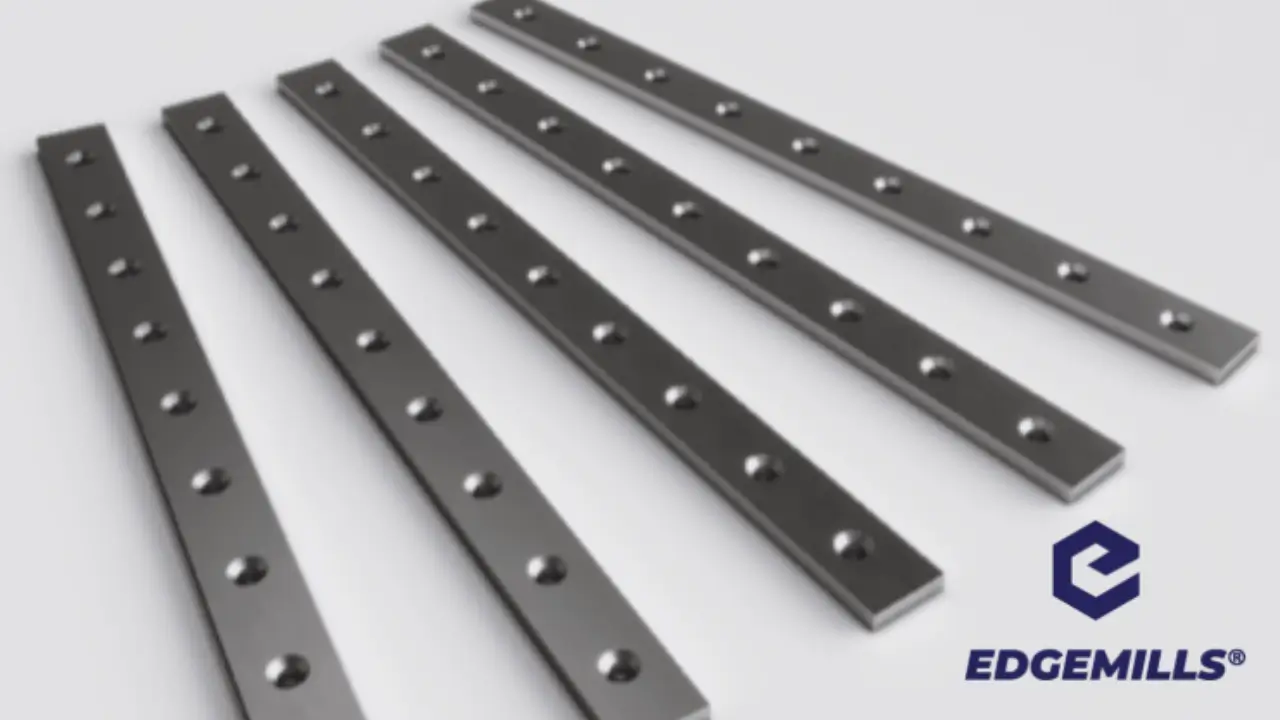
Choosing the wrong sheet metal shears is very expensive. It costs you material and time. It even creates safety risks. Many users only look at the initial price. They ignore the long-term impact on efficiency. The right metal cutting shear is a crucial investment. It ensures perfect precision cutting. This comprehensive guide will give you expert knowledge. You will learn to select, maintain, and upgrade your shearing tools. This information is vital across all industries.
What Are Sheet Metal Shears? Mechanisms & Types
Shearing is fundamental to sheet metal processing. It simply means cutting metal between two blades. This material processing method is very efficient. It produces less waste than grinding. The term sheet metal shears covers many different devices.
From Manual to Power Shears
- Manual Shears / Bench Shears: These are bolted to a workbench. They use leverage to cut metal. They are perfect for small volume work. These are classic hand shears for metal options.
- Hand Snips / Tin Snips: These are small, handheld Sheet Metal Shears. They use compound leverage. They work best for light jobs and tight curves.
- Power Shears (Electric, Pneumatic): These portable tools are electric shears or run on air. They increase cutting speed and reduce fatigue. These power shears are very popular with contractors.
- Nibblers & Drill Attachments: Nibblers use a punch-and-die action. They “nibble” tiny bits of metal away. This is great for intricate and curved cuts.
Every metal cutting shear has tradeoffs. You must balance speed, cost, and distortion.
Key Specifications & Terminology You Must Understand
To choose the best tool to cut metal, you need to know the terms. Understanding this language prevents costly mistakes.
- Gauge, Thickness, and Material: Gauge tells you the steel’s thickness. Stainless steel needs different metal cutting tools than aluminum. Always match the tool capacity to the material.
- Shear Angle and Clearance: Shear angle is the upper blade’s tilt. Blade clearance is the small gap between the blades. These settings are vital for a clean cut.
- Kerf and Distortion: Kerf is the width of material removed. Distortion is the metal twisting or curling. Precision cutting minimizes both problems.
- Blade Material & Hardness: For tough industrial jobs, the shear steel quality is everything. It controls the life of the metal shear cutter.
- Cutting Capacity, Throat Depth, Max Width: These tell you the largest size of metal your machine can handle.
How to Choose the Right Shear for Your Application
Selecting the right shear depends on your metal and workload. It is a critical choice for every professional.
Use-Case Breakdown
- Light Workshop vs. Production Shop: For light work, handheld Sheet Metal Shears are fine. A production shop needs automatic shears. They might need a heavy metal cutting machine.
- Matching Tool to Material: If you cut aluminum shears material, look for high-speed use. Stainless steel needs robust shear cutters made from high-end shear steel alloys.
- Portability vs. Power Tradeoffs: Contractors focus on portability (cordless). Fabrication shops need consistent power (hydraulic or corded).
- Budget vs. Lifetime Cost: Analyze the total cost of ownership carefully. A cheaper tool that needs frequent blade changes is rarely the best.
The decision process involves checking your material’s limits. These limits mirror those faced when selecting a metal cutting circular saw blade.
Top Tools & Brands Worth Considering
Reputable brands sell reliable metal cutting tools. Knowing their specialty helps you buy smart.
- Exemplary Models: Many brands offer powerful cordless power shears. These make great sheet metal cutter options. They excel in tight curves.
- Tradeoffs: Portable shears are flexible, but their gauge capacity is limited. Bench-mounted tools are superior for long, straight cuts. These are used in heavy duty metal shears applications.
- Case Statements: A swivel-head shear shines in auto body repair. A heavy-duty bench shear is the best tool to cut metal for HVAC ductwork.
Safe Operation & Best Practices
Safety is mandatory when using any sheet metal cutting tools. A lack of safety can be expensive.
- PPE: Always wear eye protection and gloves. Cutting metal creates sharp, flying chips.
- Handling Edges: Secure the sheet metal firmly. Guide the waste piece safely away from the machine.
- Proper Technique: Do not force the shear. Use the correct metal cutting tools. Overloading can ruin the blade.
- Avoiding Binding: When cutting curves, let the waste piece drop away freely. This prevents the tool from “jamming.”
Maintenance, Troubleshooting & Longevity
Maintenance is the key difference between a short-lived tool and an asset. Protect your investment here.
- Sharpening & Replacement: Inspect the blade edge often. Replace or sharpen it when burrs show up. A dull blade strains the mechanism.
- Cleaning & Lubrication: Clean metal particles from the jaws regularly. Lubricate all moving parts. This is essential for all fabrication equipment.
- Alignment Checks: Check the blade clearance on bench shears often. Poor alignment is the top cause of blade chipping.
- Common Failure: The most common failure is ignoring the maintenance requirements. This applies to all hardware tools.
Efficiency, Productivity & Workflow Tips
Maximize throughput by optimizing your sheet metal processing workflow.
- Layout & Pre-marking: Always mark your layout before cutting. Use straight edge guides for the long cuts.
- Nesting Cuts: Plan cuts to cut scrap material. This planning is called nesting. It reduces waste dramatically.
- Tool Combination: Use handheld metal shears for fine detail. Use a large sheet metal shears machine for long, straight runs.
- Time Monitoring: Track the time per cut. Optimizing the cutting process is key to productivity.
Industrial Shearing Machinery & Heavy-Duty Options
Handheld tools are not enough for large-scale work. You need true industrial cutters for shearing machinery.
- Guillotine Shears: These are the essential backbone of sheet metal processing. They use a massive blade to cut metal sheets. They are often hydraulic.
- Bench Shears / Power Press Shears: These are powerful, mid-range metal cutting machine options. They are great for high-volume, repetitive cuts.
- When to Upgrade: Upgrade when you cut metal thicker than 14 gauge regularly. This equipment demands the highest quality Shear Blade. The high precision required by these automatic shears is similar to the tolerance requirements for the guillotine paper cutter used in the printing industry.
Emerging Trends & Future Directions
The future of sheetmetal shears is smarter and more portable.
- Cordless Power: High-capacity lithium-ion batteries make power shears stronger. They eliminate the hassle of a cord.
- Advanced Blade Materials: New sheet metal cutter materials offer superior corrosion resistance. They also increase longevity.
- Automation: CNC integration allows for robotic loading. These systems use highly specialized automatic shears.
Edgemills Quality & Customization
We understand industrial profitability. The best sheet metal shears are defined by performance, not price. At Edgemills, we don’t just sell hardware tools. We engineer certainty. We focus on industrial cutters and custom metal cutting tools. We ensure your new blade delivers the lowest possible Cost-Per-Cut. Edgemills restores the original tolerance of your metal shear cutter.
Conclusion
The modern sheet metal shears are a major performance lever. Mastering sheet metal processing means understanding your tools. Stop treating your blades like simple commodities. Invest in engineered solutions. Contact us to discuss your shop’s needs. Get a Quote for a custom audit today.
FAQs
How to cut metal?
The method to cut metal depends on its thickness. Thin sheets are best cut with sheet metal shears. This includes snips or power shears. A thicker plate needs a dedicated metal cutting machine. Always use the right metal cutting tools for the material.
How does a sheet metal shear work?
A sheet metal shear uses two blades. There is a fixed lower blade and a moving upper blade. The upper blade is pressed down past the fixed blade. The concentrated force breaks the metal cleanly. The critical element is the tight, precise clearance between the two blades.
How to sharpen sheet metal shears?
Sharpening should be done by a professional service. This maintains the factory rake angle and straightness. If filing manually, only lightly touch the bevel. Never file the flat side of the blade. The precise geometry of industrial cutters is easily ruined by improper sharpening.