
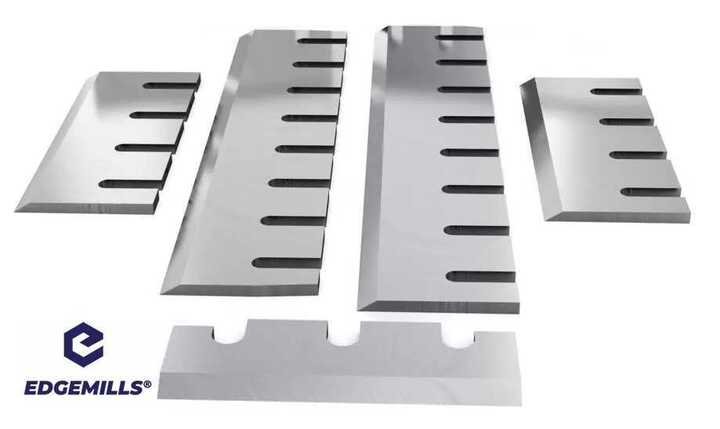
For arborists and forestry experts, the chipper knife is everything. It is the real engine of your operation’s efficiency. When that blade fails, your job site stops dead. A dull chipper blade wastes fuel, drains horsepower, and creates poor-quality chips. At Edgemills, we know maximizing your industrial chipper blades is crucial. This is true whether you use wood chipper knives for a Bandit or a custom shredder. High performance is the key to lowering your Cost Per Hour (CPH) metric. This guide gives you the expert knowledge needed to select, maintain, and optimize your entire cutting system.
What Are Industrial Chipper Blades?
Industrial chipper blades are precision-engineered cutting tools designed to slice through wood, branches, and fibrous materials with minimal resistance.
They’re typically made from hardened steel or alloy materials. They are designed to fit various models of chippers. This ranges from compact garden units to large industrial machines.
Unlike regular garden tool parts, these blades are part of a complete cutting system. This system handles constant impact, friction, and heat. The quality of these industrial cutting edges determines how efficiently wood is chipped. It also dictates how long the machine lasts.
Understanding Different Types of Industrial Chipper Blades
The term industrial chipper blades covers many specialized industrial cutting edges. Their main job is heavy-duty wood chipping reduction. Knowing the specific design is key when buying a wood chipper blade replacement.
The Science of the Cut
A top-performing chipper blade relies on its specific shape. This shape helps it fracture wood efficiently.
- The Single-Bevel Edge: Almost all chipper blades use this design. It creates an aggressive, strong wedge. This wedge forces the wood fibers apart quickly. This geometry is mandatory for good chip ejection and less machine strain.
- The Rake Angle’s Role: The rake angle is often overlooked. It is the angle between the rotor axis and the knife face. This angle directly impacts the power tool blades’ power draw. An incorrect or dull rake angle increases resistance. This forces the engine to work harder. It also reduces the efficiency of your landscaping equipment.
| Blade Type | Description | Common Use | Maintenance Note |
| Straight Blades | The flat, standard knife is used in most disc and drum chippers. | General-purpose brush and tree chipping. | They must always be balanced in sets. |
| Reversible Blades | These symmetrical blades can be flipped. | They offer quick relief in the field, doubling life. | You change chipping knives completely less often. |
| Indexable Knives | Small, modular tips are used in high-production wood shredder blades. | Large-scale biomass and pelletizing reduction. | Sharpening is not needed; just replace the tip. |
Our Shear Blade expertise means we know the forces involved. These knives rely on precise shearing and impact. They are specialized for wood, but similar to our straight-blade products.
Blade Material and Quality
When selecting a wood chipper blade, you balance two things. You balance toughness (no snapping) against hardness (no dulling). Metallurgy is everything.
Common Materials
- High-Alloy Tool Steel (D2/A8): This is the industry standard for a chipper blade. It resists impact and holds an edge well. It is the best choice for general-purpose, clean wood chipping.
- High Carbon Steel: Used mostly in smaller, hobbyist chippers and lighter garden tool parts. It is easier to sharpen, but its lifespan is shorter.
- Tungsten Carbide: This is the superior, higher-cost option for extreme durability. If you process wood with lots of abrasive contaminants (dirt, rocks, metal), carbide is necessary. It gives you a vastly longer life between sharpening cycles.
Heat Treatment: Finding the Right Balance
Correct heat treatment is a must-have process. It decides the finished blade’s performance. It sets the perfect balance point. The blade must be tough enough not to shatter upon impact. It must be hard enough not to dull quickly. A blade that is too brittle will fracture. This creates extremely dangerous, fractured blades. This is why material control is key for all Edgemills products.
Choosing the Right Blade for Your Chipper
Picking the right chipper blades is an engineering task. It is more than just a quick purchase.
Matching Blade to Machine
Your wood chipper blade replacement dimensions must exactly match the chipper rotor’s specs. This includes thickness, width, length, and the mounting hole pattern. Using a slightly wrong size creates a dangerous imbalance. This is especially true for popular models like bandit chipper blades.
Use-Case Scenarios: Thinking About Usage
Your wood type and chipping frequency should guide your choice.
| Scenario | Primary Concern | Recommended Blade Material |
| Light Landscaping | Sharpening Ease and Cost | Standard Tool Steel or High Carbon |
| Commercial Tree Care | Uptime and Durability | D2 Tool Steel (Single or Reversible Edge) |
| Biomass / Recycling | Abrasive Wear and Longevity | Tungsten Carbide (Maximizes time between regrinds) |
The principles are similar to selecting a circular saw blade for plastic. You must match the tool’s durability to the material’s wear factors.
The Cost-Per-Hour (CPH) Mindset
Never choose based on the initial sticker price. You must calculate the CPH.
This is: (Blade Cost + Total Sharpening Cost) / Total Operating Hours.
A $300 carbide blade that lasts 300 hours is far cheaper. It is much better than a $100 tool steel knife lasting only 50 hours. We apply this same economic principle to all our metal cutting blades.
Maintenance & Sharpening Best Practices
Good maintenance is the biggest factor. It maximizes the performance and lifespan of your chipper blades. Skipping it is just throwing away money.
When to Sharpen: How to Know
Your machine will signal when it needs attention:
- Chip Quality: Chips look frayed, stringy, or ragged. They are not clean and uniform.
- Engine Strain: The chipper bogs down easily, even with small material.
- Noise: The clean, sheer sound changes to a dull thump or rubbing noise.
Industry standards suggest regrinding chipper blades every 25 to 50 operating hours. This depends on how clean the wood is. This is a core part of effective maintenance tools planning.
Advanced Sharpening Guidance
Chipper blade sharpening must be a precise operation. It is not like basic grinding.
- Maintaining the Factory Bevel: You must keep the original rake angle and bevel angle. Changing this angle ruins the blade’s safety and performance.
- Grinding Wheels: Use specialized CBN or aluminum-oxide wheels. These prevent overheating. Overheating, or “bluing,” destroys the steel’s temper. This causes micro-fractures, drastically reducing the knife’s lifespan.
- Balancing: Always sharpen blades in balanced sets. Removing uneven metal causes rotor imbalance. This leads to extreme vibration. It can damage bearings and cause machine failure.
We at Edgemills offer specialized grinding services. We maintain factory-level tolerances for long-term blade life.
Optimizing Performance & Efficiency
A sharp blade in a poorly optimized machine is still poor performance. The key to high-output wood chipping is a balanced system.
Setting Clearances: The Critical Anvil Gap
The gap between the stationary anvil and the chipper knife is tiny. This knife gap is usually about 1/32 to 1/16.
- Too Wide: This causes wood fibers to pull. You get “stringy” chips and frayed edges.
- Too Tight: This causes excessive rubbing between the anvil and knife. It creates unnecessary heat and damages both parts.
Always consult your OEM manual for the exact anvil gap. This is necessary for models like bandit chipper knives.
Operational Efficiency
Sharp wood chipper blades need less power. This means lower fuel consumption. Ensure all cutting system parts are clean. This includes the feed rollers and chutes. This prevents extra load on the rotor. The same rule applies to our Plastic Cutting Blades: less friction means better efficiency.
Safety & Risk Management
Safety must be your top concern. You are dealing with powerful machines and sharp industrial blades.
Installation Safety
Always use a rotor lock-out procedure. Never touch the knives otherwise. These industrial blades are very heavy and extremely sharp. Use proper PPE. Cut-resistant gloves and eye protection are essential. Secure the blades using the manufacturer’s specified torque specification. An improperly tightened bolt is a massive hazard.
Failure Analysis: Reading the Wear
Inspecting your knives helps you prevent major damage:
- Chipping: Small chunks missing suggest high impact or foreign object strikes. The blade might also be too brittle.
- Rounding/Cratering: Excessive wear points to an incorrect feed rate or abrasive material (shredding blades rubbing).
- Cracks: Any crack means the blade is compromised. It must be retired right away. This prevents catastrophic failure of fractured blades.
Our expertise goes beyond Shear Blade design. We focus on preventing all common industrial failure types.
Cost, Lifecycle & ROI Analysis
The long-term value of your industrial chipper blades is the only thing that truly matters.
The Regrind vs. Replace Framework
You can only sharpen a blade a certain number of times. The blade must be retired once it’s ground down too far. It reaches a specified minimum width. Using a thin blade creates an unsafe, excessive gap. This increases the risk of detachment and vibration. The choice must always favor efficiency and safety. Don’t try to squeeze out a few extra hours.
Modeling ROI: The Power of Premium Blades
A premium chipper blade from an expert blade supplier lowers your long-term operational costs:
- Reduction in Downtime: Fewer changes mean more actual wood chipping time.
- Fuel Savings: Sharp knives use less fuel per cubic yard of chipped wood.
- Extended Machine Life: Reduced vibration saves money on bearing and rotor maintenance.
Emerging Trends & Innovations
The future of wood shredder blades involves new technology and smart materials.
Coatings and Advanced Materials
New coatings are being used on standard steel chipper blades. These include DLC (Diamond-Like Carbon). They reduce friction greatly. They boost heat resistance. This extends the blade’s life in high-wear jobs.
Predictive Maintenance
The next generation of recycling machinery components might have sensor-embedded chipper knives. These “smart” chipper knives can monitor vibration and wear instantly. This allows for predictive maintenance. It removes all the guesswork. It maximizes the service life of every single chipper blade.
Sustainability & Environmental Considerations
Choosing a high quality knife is also a move toward sustainability.
Fuel Efficiency and Emissions
Sharp chipper knives directly improve fuel efficiency. They lessen the engine’s burden. This lowers emissions per ton of wood chipped.
Responsible Disposal
Worn industrial chipper blades cannot go into regular trash. They are high-carbon tool steel. Partner with a specialized metal recycling facility. This ensures the safe disposal of these heavy industrial blades.
Conclusion
Mastering your industrial chipper blades system needs technical precision and proactive maintenance. You must match a high-quality, specialized material to your machine. This applies to bandit chipper knives or any model. Rigorously maintain the correct bevel angle during chipper blade sharpening. Manage your entire fleet based on the Cost Per Hour metric. Investing in this expertise prevents downtime and boosts your profit.
FAQs
How long do wood chipper blades last?
The lifespan of wood chipper blades can vary a lot. It is typically between 25 and 100 operating hours. This depends on the wood’s cleanliness and the blade material (carbide lasts longer). It also depends on how often the chipper knife is correctly reground. Proactive maintenance is the secret to maximum longevity.
Can you sharpen the blades on a wood chipper?
Yes, you absolutely must sharpen the blades on a wood chipper. The process, called chipper blade sharpening, needs specialized equipment. This ensures the correct balance and bevel angle are maintained. Never use a hand grinder. It destroys the steel’s temper and causes a dangerous imbalance.
How often do wood chipper blades need to be sharpened?
Most professional operators rotate or sharpen their chipper blades every 25 to 50 hours of active use. The best indicator is the load on the engine and the chip quality. If the chips become stringy or the engine struggles, it is time to sharpen the wood chipper blades.
Do I need to sharpen shredder blades?
Yes, shredding blades used in industrial wood shredders and grinders need maintenance. The process is different, though. Straight shear-style knives require wood chipper blade sharpening. Rotary shredder knives, which use crushing, are often rotated or replaced when dull.
What can you chip in a wood chipper?
You can safely chip untreated, natural wood materials. This includes brush, limbs, and branches, in a wood chipper. Industrial chipper blades are not built to process metal, rocks, construction lumber, or excessive soil. Feeding foreign objects into the machine dulls the chipping knives quickly. It also risks dangerous failure.