
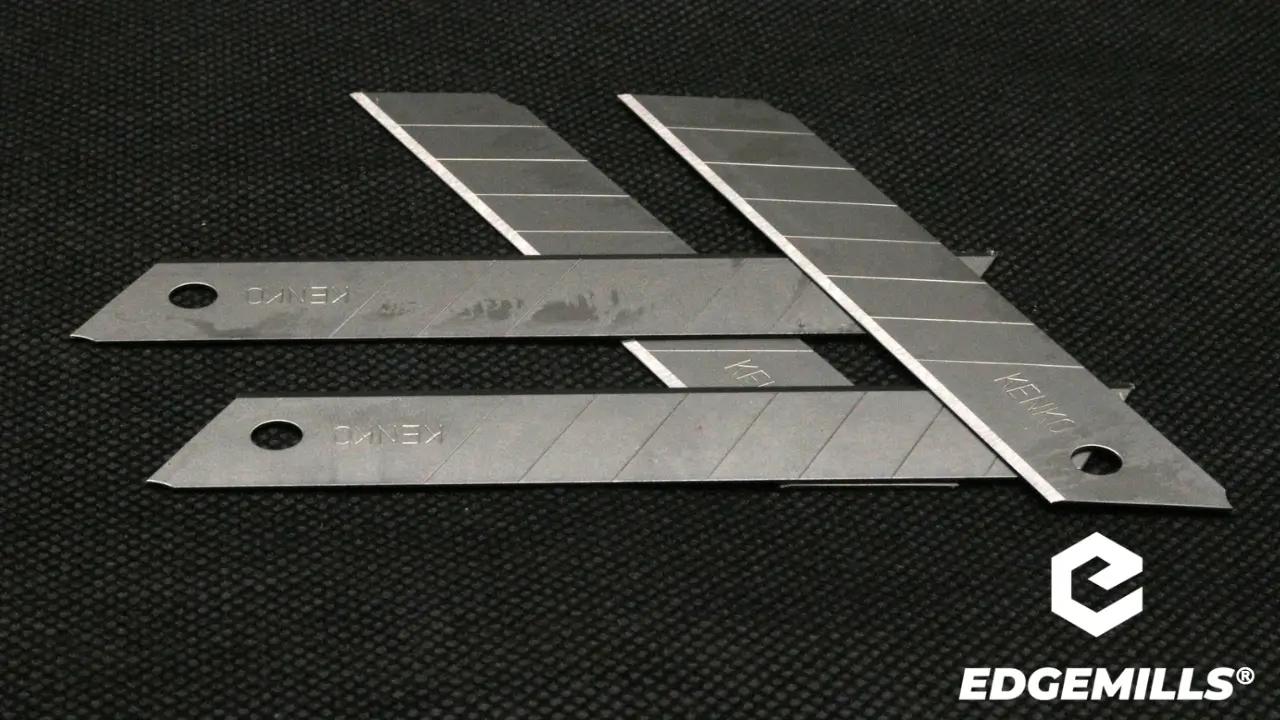
In the high-speed world of modern manufacturing, the Shearing Machine is vital for preparation. The machine provides the power, but cutting tools determine the true precision. Shear straight blades are essential components that allow for very accurate cuts. As we move into 2026, the demand for cold-cutting processes has grown. Many industries now seek to avoid the heat zones caused by lasers.
A Shearing Machine using high-grade straight blades offers a great mechanical advantage. It delivers uniform force across a straight edge for clean, burr-free cuts. This works on thin films and also on very thick steel plates. For industrial facilities, the efficiency of these blades directly impacts the profit. By optimizing blade metal and shape, plants can reduce their scrap. At Edgemills, we specialize in making tools that handle tough industrial cycles.
Machine Technology: Mechanical vs. Hydraulic
To understand straight blades, you must first understand the machines that drive them. The modern Shearing Machine has evolved into a very sophisticated CNC system. In 2026, the industry uses two main designs: guillotine and swing beam.
The Guillotine Design
Guillotine shears are the top choice for heavy-duty industrial cutting tasks. These machines move the upper blade in a perfectly vertical downward motion. This motion allows operators to adjust the rake angle for better cuts. By adjusting this angle, you can minimize the twist in thicker materials. High-capacity plants rely on these blades to maintain very tight cutting tolerances.
The Swing Beam Design
Swing beam shears move the upper blade in a fast circular arc. This design is simpler and allows for much faster cycle speeds. It is ideal for high-volume production using thinner sheet metal materials. Brands like ADH Machine Tool now use drives that save much energy. Whether the machine is mechanical or hydraulic, performance rests on blade alignment.
Plastics
The plastics industry is a very diverse user of straight cutting blades. In 2026, plastics have become more complex and also more abrasive. Using the right Plastic Cutting Blades is now a critical quality requirement.
Inline Extrusion Trimming
In high-volume lines, straight blades trim the edges of plastic sheets. These trimmers must operate at very high speeds with a clean edge. Any dullness in the blade leads to a poor “plastic pull” effect. This results in bad dimensions and also higher rates of material scrap.
Stack Cutting Processes
Industries also use heavy-duty guillotine shears to cut stacks of plastic films. A single stroke can process up to 100 sheets at once. To handle this, blades must feature a design that reduces friction. This prevents the heat from welding the plastic layers together during cutting.
| Material | Thickness Range | Recommended Blade |
| PET Sheet | 0.5 – 3.0 mm | High-Speed Steel (HSS) |
| Glass-Filled PC | 2.0 – 12.0 mm | Tungsten Carbide Inlay |
| PVC Film Stacks | 100+ sheets | Tool Steel with PTFE Coating |
Paper and Packaging
In paper mills, straight-edge shear blades are the main finishing tools. From massive paper rolls to delicate coated stock, cutting requirements are extreme. Modern packaging lines demand high accuracy to ensure that machines do not jam.
Industries rely on paper-cutting blades that can handle abrasive paper fibers. Paper is very abrasive because of the mineral fillers used in production. In 2026, leading mills use blades made from M2 high-speed steel. These materials offer the best balance of toughness and edge retention.
Flexible Packaging Trimming
The rise of flexible packaging has created a need for precision blades. These materials combine foil, plastic, and paper into one single thin laminate. They require a blade with a very sharp and specialized edge shape. Manufacturers now offer coated blades that reduce static and also friction. This prevents the film from sticking to the knife during production.
Metal Processing
The primary use of a Shearing Machine is always metal fabrication. From service centers in Texas to stamping plants in Ohio, this is vital. Straight-line metal cutting is the very first step in manufacturing.
Coil Slitting Tasks
Steel coils are processed through lines where blades make many thousands of cuts. These blades are subject to impact fatigue during the heavy cutting process. To combat this, Edgemills uses a vacuum heat treatment for blades. This ensures our Metal cutting blades stay tough and also very sharp.
Heavy Plate Shearing
For thick plates used in shipbuilding, the rake angle is very critical. A high rake angle reduces force but can increase the material distortion. Advanced Shearing Machine models now use AI to adjust the blade gap. This matches the specific strength of the alloy being cut in real-time.
Rubber and Composites
Cutting rubber and advanced composites requires a different approach to making blades. These materials are either very elastic or incredibly abrasive. Manufacturers have developed specialized shapes to handle these very difficult cutting challenges.
In the automotive sector, Leather Cutting Machine Blades must provide clean edges. They must cut hides and leathers without pulling any of the fibers. Similarly, silicone sheets in the aerospace industry require blades with anti-stick coatings. This prevents material from gumming up the Shearing Machine during the process.
Industrial Cross-Over
Most shear blades are for metal, but many other plants diversify. High-volume furniture plants often require Wood Cutting Blades for veneer work. Food processing facilities use food-cutting blades in very large guillotine machines. They slice blocks of frozen protein or large sheets of confectionery. In both cases, the blade provides a uniform force for separation.
Blade Geometry and Material Selection Guide
Selecting the right metal shear blades is a very deep science. In 2026, the old “one size fits all” approach is over. To maximize the ROI of your Shearing Machine, match metallurgy to material.
Metallurgy Options for 2026:
- 9CrSi Steel: This is the benchmark for cutting general mild steel.
- Cr12MoV / D2: This is the gold standard for high-wear stainless steel.
- H13 Steel: This is essential for very hot cutting applications today.
- Tungsten Carbide: Used for high-speed lines where downtime costs too much.
Shape Fundamentals:
- Rake Angle: Usually ranges from 0.5 to 3 degrees for best quality.
- Blade Clearance: The gap is usually 7% of the material thickness.
- Bevel Style: Single-bevel is for metal, but double-bevel is for soft materials.
$45K Annual Savings per Line
In a large industrial setting, blade cost is small compared to downtime. A high-quality blade from specialists like Edgemills pays for itself quickly.
Let’s look at the numbers for a 2-blade shear line:
- Traditional Blade Life: This requires 48 blade changes per year.
- Edgemills Performance Life: This requires only 12 blade changes per year.
- Scrap Reduction: Moving to a 2% scrap rate saves $30,000 alone.
- Total Savings: The average facility saves over $45,000 per year per machine.
Investing in expertise ensures your Shearing Machine is a profit-generating asset.
Maintenance
To reach high savings, you must use a rigorous maintenance schedule. Blade maintenance in 2026 uses sensors to monitor the vibration of blades. This is a key indicator that a blade edge is rounding.
Pro-Maintenance Checklist:
- Daily Visual Check: Look for chipping or metal transfer on the surface.
- Monthly Alignment: Ensure the blade gap is correct across the entire length.
- Quarterly Regrind: Do not wait for the blade to fail before sharpening.
For specialized processes, you may also need Special Cutting Knives with unique protocols. Working with experts ensures your regrinding maintains the correct factory angles.
Conclusion
A Shearing Machine is only as good as the edge it carries. In 2026, quality blades make the difference between profit and waste. Whether cutting steel, plastics, or paper, the right shape is your primary defense.
From our Houston hub, Edgemills provides the tools that leading industries need. We offer same-day shipping and also full-scale custom blade development. Don’t let a dull edge cut into your factory profits. Get a Quote Today and let our engineers optimize your cutting process. Would you like me to help you draft a specific maintenance schedule for your current machines?
FAQs
What is the best shear blade material for plastics?
The best shear blade material for plastics depends on the specific polymer used. For 2026, D2 tool steel or Tungsten Carbide inlays are the industry standards. D2 provides great wear resistance for PET and HDPE, while Carbide is for abrasive plastics. These alloys can extend blade life by 300% in high-volume extrusion environments.
What is shear blade life in paper mills?
Shear blade life in paper mills usually ranges from 2 million to 8 million cuts. This depends on the abrasive nature of paper coatings and the blade material. High-end materials like CPM 10V outperform carbon steels, allowing mills to run for months. Consistent alignment and regular maintenance are critical factors in reaching this service life.
Shear straight blades vs rotary knives, which one is best?
Shear straight blades are best for cutting thicker materials over 2mm and for stack cutting. Rotary knives are superior for high-speed slitting of thin foils and complex curves. Straight blades offer higher precision for rectangular sections and handle much tougher alloys. In 2026, most industrial plants use a combination of both blade types.
What is the custom shear straight blades lead time?
The lead time for custom shear straight blades is generally 4 to 9 weeks today. This is for specialized orders, though stock items are available for same-day shipping. This time includes metal selection, CNC grinding, and heat treatment for your Shearing Machine. At Edgemills, we prioritize precision to ensure orders are delivered within the fastest window.