
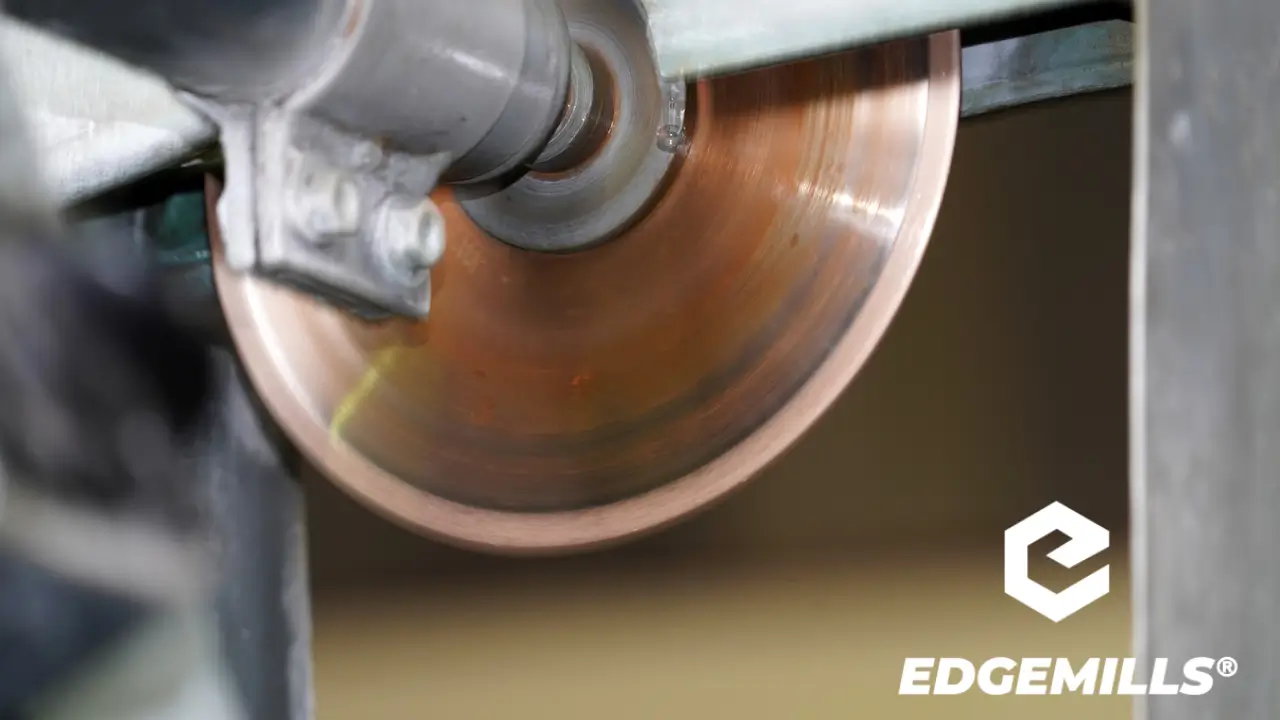
In the year 2026, factories need high speed and accuracy. An industrial rotary cutter helps modern production lines reach these goals. This rotating blade cutter slits wide material rolls very accurately. It handles packaging materials, denim, and even plastic sheets with ease. These machines provide the clean cuts required for modern supply chains. Unlike fixed blades, this system uses blades that rotate with the flow. This method reduces friction and stops the material from changing shape.
Edgemills sees these tools becoming very smart today. They use AI sensors to monitor rotary cutting blades in real-time. Understanding this technology is vital for any plant manager right now. This guide explores the slitting world and the best rotary cutter blades. We look at metal choices and the future of the industrial rotary cutter. Our Houston team provides a clear 2026 perspective on these tools. Let us explore how these machines improve your factory work today.
How a Rotary Cutter Works
The main task of this machine is called shear slitting. This process works like a pair of heavy-duty scissors today. Two circular blades overlap at a very precise point of contact. A top “male” blade and a bottom “female” anvil work together. This interaction allows for precision cutting at very high speeds now. Most industrial machines can easily exceed two thousand feet per minute. This method is much better than using a manual paper cutting tool.
The rotating blade cutter is better than the crush or razor systems. It creates smooth edges on very complex foil and film layers. Three main factors make these manufacturing tools work very well today. First, the bottom blade runs faster than the moving material web. Second, the top blade has a slight tilt to reduce heat. Finally, pneumatic holders keep pressure even as the rotary blades wear. These details ensure that your industrial blades last a long time.
Machine Comparison Table
| Feature | Industrial Rotary Cutter | Handheld Rotary Cutter |
| Main Use | High-volume roll converting | Fabric crafts and sewing tools |
| Speed | 500 to 2500 Feet Per Minute | Manual hand speed |
| Blade Drive | Motorized or Friction drive | Manual rolling |
| Blade Sizes | 100mm up to 300mm | 18mm, 28mm, 45mm, 60mm |
| Precision | Within ±0.01mm | Manual sighting |
| Typical Use | Packaging materials and foils | Cotton fabric and felt |
Materials: This Machine Cuts
The versatility of this cutter helps many different business sectors. In 2026, factories sliced more recycled materials than ever before. These materials are abrasive and require the best rotary blades. Using the right industrial blades stops constant downtime for repairs. You need a sharp cutting blade to maintain high edge quality.
Working with Paper and Cardboard
The cardboard cutter must handle very dense and fibrous material. These fibers can dull a standard paper cutting blade very fast. High-quality Paper Cutting Blades are usually made from D2 tool steel. Some factories also use solid carbide to resist abrasive recycled pulp. This ensures the circular blade cutter stays sharp for long runs. Edgemills provides these durable tools to paper mills across the country.
Cutting Textiles and Flexible Plastics
Textile tools in 2026 use rotary fabric cutter blades for synthetics. They handle denim, felt, and even tough ballistic materials like Kevlar. For plastic sheets and films, the focus is on reducing heat. A smooth edge finish is vital for medical-grade sterile packaging seals. Using a rolling blade cutter prevents the plastic from melting during production. This makes the rotary cutting tool a favorite for medical plants.
Choosing Your Rotary Blades
Selecting the right rotary blades is a very careful balance. You must consider hardness, toughness, and the overall edge geometry. In 2026, advanced coatings like TiCN are standard for factory use. These coatings extend blade life during long 24/7 production shifts. Every metal rotary cutter needs a specific blade to work well. Edgemills helps you find the right fit for your factory line.
Using 45mm Rotary Blades vs 60mm Sizes
Hobbyists often use 45mm rotary blades for their quilting projects. They also use 60mm rotary cutter blades for fabric trimming tasks. Industrial machines use much larger sizes for deeper and faster cuts. However, for pattern cutting, the 45mm rotary cutter blades work well. They offer great maneuverability for dressmaking tools and fabric cutting tool needs. Smaller rotary cutting blades, 45mm sizes are perfect for detailed work.
- 45mm: This is best for curves and thin films.
- 60mm: Best for heavy denim and leather cutting tasks.
Metal and Coating Guide
For Metal cutting blades, the heat treatment process is vital. Blades must be hard to maintain a sharp cutting edge. They must also be tough, so they do not shatter easily. A metal rotary blade creates high vibration during fast machine runs. Using a safety lock ensures the blades stay in place safely. Edgemills makes these blades to withstand the toughest industrial pressures.
| Coating Type | Main Benefit | Best Industry Use |
| Uncoated D2 | Resharpenable and cost-effective | Paper cutting and slitting |
| Teflon Coating | Stops glue and adhesive buildup | Vinyl cutting and tapes |
| Ceramic Coating | Low friction and ultra-hard | Plastic Cutting Blades |
| Carbide Edge | Maximum wear and heat resistance | Cardboard cutter lines |
Precision Cutting vs Traditional Manual Tools
In the rotary cutter vs scissors debate, the machine wins. A rolling blade cutter provides a continuous and very clean edge. Standard heavy-duty scissors cannot match this speed or quality today. Also, the rotary cutter vs utility knife comparison shows more safety. These machines are a time-saving tool for every large warehouse.
Why the Rotary System Wins:
- Time-saving tool: It slits huge rolls in minutes, not hours.
- Smooth edges: It removes the jagged look of manual tools.
- Consistency: The precision cutting is mechanical and always the same.
- Safety: Modern systems include a blade guard and electronic sensors.
Managers in 2026 say automated tools increase throughput very quickly. Switching to a rotary cutting tool can double your factory output. It is the best cutting tool for fabric and paper.
Maintenance and Safe Cutting
Industrial rotary cutters are powerful and very sharp machines. You must treat it with respect and perform regular upkeep daily. In 2026, safe cutting techniques use sensors to monitor vibrations. This ensures the machine stays within safe limits during every shift. Proper finger protection is essential for everyone working on the floor.
Daily Maintenance Steps
- Inspect the Edge: Check rotary cutting blades for any small nicks.
- Clean the Path: Remove dust from packaging materials and fibers.
- Check Alignment: Ensure the metal shear blades are perfectly straight.
- Lubrication: Use oil if you are using food-cutting blades.
Safety Features to Use
The blade guard is a physical shield that stops hand entry. A safety lock keeps blades in place during the changing process. Modern machines use finger protection curtains to stop if sensors trip. Always use cutting mats for any manual trimming or craft cutting. These steps make this cutter a very safe tool. Edgemills prioritizes safety in every single blade we manufacture today.
2026 Industrial Outlook
The world of manufacturing tools is moving toward very high specialization. We now make Wood Cutting Blades for very thin wood veneers. Our team also makes Leather Cutting Machine Blades for luxury electric cars. These industries need tools that handle new and unique materials well. The rotating blade cutter is adapting to these new global needs.
Slitting for Food and Medical Needs
Hygiene is the most important factor for food and medicine. Special Cutting Knives for these plants use high-grade stainless steel. This metal resists rust during the harsh daily washdown procedures. Using a circular blade cutter stops metal shavings from entering products. This ensures that all packaging materials remain safe for consumers. We help plants meet these strict safety rules with ease.
Advanced Packaging Trends
Compostable films are becoming very popular in the packaging world. These new films behave differently when they get too hot. This requires a packaging cutter that uses a “cold-cut” setup. We use rotary cutting blades 45mm sizes for these precise tasks. This minimizes friction so the film does not melt or tear. Edgemills is leading the way in this new green technology.
Why Edgemills is Your Trusted Partner
We do more than just sell rotary cutters and blades today. Edgemills provides engineering solutions for very difficult slitting problems now. Our Houston team makes Metal cutting blades and Special Cutting Knives. These tools are built for the toughest high-performance factory lines. Every sharp cutting blade we sell must pass a hard test.
Whether you need a manual cutting device or a system, we can help. We support craft cutting and sheet metal cutter applications alike. Our tools help you achieve clean cuts and very smooth edges. We want to help your business grow in the year 2026.
Conclusion
The rotary cutter is a vital part of modern factory work today. It provides the speed and accuracy needed for the world’s materials. From sewing accessories to steel mills, these circular blades are unmatched. By choosing the right rotary blades, you keep your production line fast. Stay updated on 2026 technology to keep your business very competitive.
If you need to upgrade or want metal shear blades, call us. We provide Paper Cutting Blades, Wood Cutting Blades, and specialized industrial tools. Our team is ready to help you find the best solutions.
Get a Quote Today to start your next project with us.
FAQs
Rotary cutter vs guillotine?
A rotary cutter is the best choice for high-speed slitting of rolls because it offers a constant motion without stopping. A guillotine uses a vertical chopping action that is best for cutting thick stacks of paper or cardstock. While a guillotine can cut many sheets at once, the rotary system provides a much higher overall speed.
Can rotary cutters cut plastic film?
Yes, industrial machines are made to slit many types of plastic film very easily. By using Plastic Cutting Blades with low-friction coatings, you can get perfectly clean edges. These systems often use air-cooling tech to keep the film stable at high speeds. This prevents the film from melting or sticking to the rotary blades during work.
What is the best rotary cutter on the market?
The best rotary cutter for industrial use is a system with automated tension control. High-end brands like Edgemills offer systems that use very durable rotary cutter blades for uptime. You should look for a machine that maintains precise blade overlap and side pressure. This ensures the rotating blade cutter works perfectly for many years to come.
What to use instead of a rotary cutter?
If a rotary cutter does not fit your material, you can use lasers. Razor slitting is an affordable option for very thin and simple films. Laser cutting is great for complex shapes that might fray with a blade. Ultrasonic slitting is also growing in 2026 for synthetic fabrics and heavy textiles.