
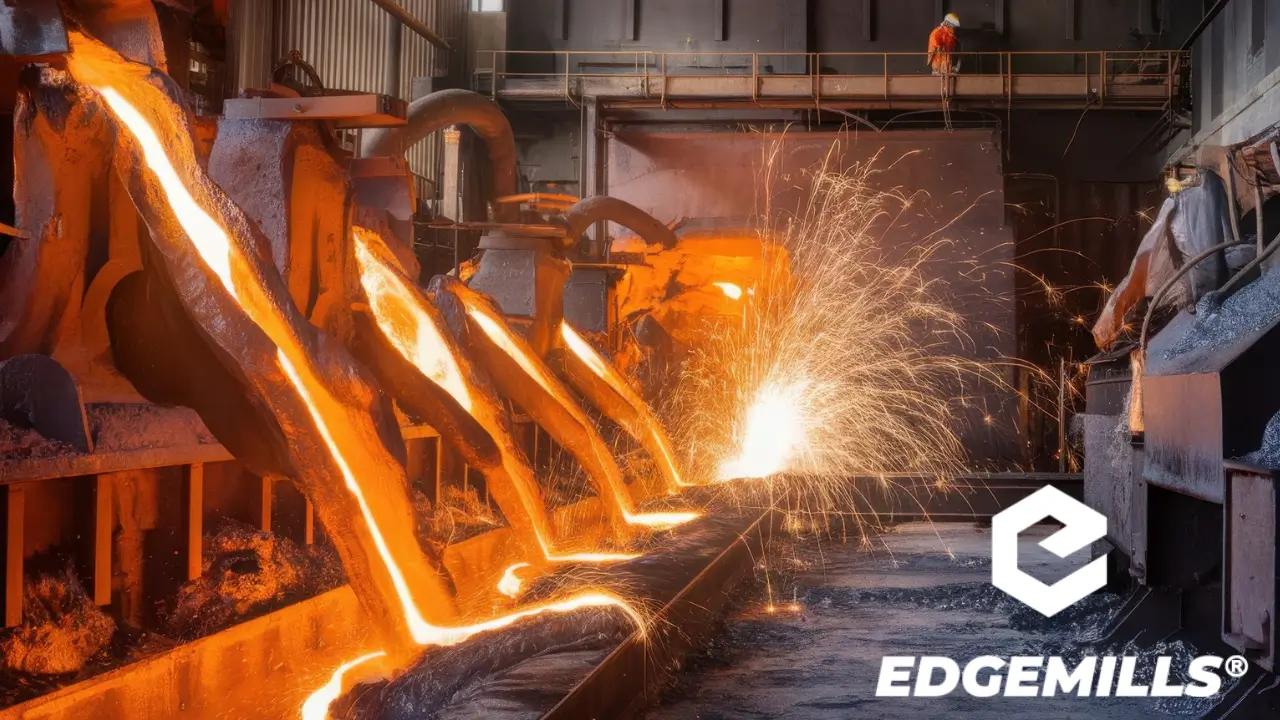
D2 Steel is a very strong and durable high-carbon steel. This tool steel is famous for its extreme wear resistance and hardness. Many factories use it to make high-quality knives and tools. It is a legendary cold work tool steel for many industries. At Edgemills, we use it to create precise industrial cutting tools. This high-carbon metal helps machines run for a very long time. It provides great edge retention even under heavy industrial use. This guide will teach you everything about this high chromium metal. We will explain why this D2 tool steel is a top choice. Understanding the steel composition is the first step to better tools.
D2 Steel Quick Specifications Table
| Property | Specification Details |
| Carbon Content | 1.4% to 1.6% |
| Chromium Content | 11% to 13% |
| Hardness Level | 55 to 62 HRC |
| Metal Density | 7.7 grams per cubic centimeter |
| Hardening Type | Modern Air-Hardening Process |
D2 Steel has been a favorite for many decades in factories. It is often used for making D2 knife blades today. Manufacturers rely on this industrial tool steel for consistent results. It helps to reduce waste during the industrial applications of cutting. Our experts at Edgemills know how to handle this metal well. We focus on providing the best D2 steel properties for you.
D2 Steel Composition
The steel composition of this metal is very special and balanced. It contains a very high amount of carbon for strength. This high-carbon steel also features a high chromium content. These alloying elements work together to create a very hard surface. This high chromium steel resists abrasion during many difficult tasks. It also contains Molybdenum and Vanadium for better metallurgical properties. This D2 metal is perfect for long and heavy industrial runs.
D2 Steel Chemical Analysis Table
| Element | Percentage (%) | Role in the Alloy |
| Carbon (C) | 1.4–1.6% | Provides hardness and forms wear-resistant carbides. |
| Chromium (Cr) | 11–13% | Increases wear resistance and provides some protection. |
| Molybdenum (Mo) | 0.7–1.2% | Enables air hardening and improves overall toughness. |
| Vanadium (V) | 0.8–1.2% | Creates fine carbides for better edge retention. |
| Silicon (Si) | ~0.3% | Helps with deoxidation and increases structural strength. |
Why the Chromium Content Really Matters Today
This metal is often called a high chromium tool steel. The chromium helps to form very hard and small carbides. These carbides act like tiny stones inside the metal matrix. They protect the D2 blade from wearing down too quickly. It is a very popular cold work tool steel type. This means it works best at lower temperatures in factories. Molybdenum allows the metal to harden in the still air. This air-hardening process reduces the risk of tool cracking. Vanadium helps to keep the metal grain structure very fine. Fine grains make the D2 tool steel much tougher overall. This balance makes it a favorite for Special Cutting Knives.
Is D2 Steel Stainless or Just Standard Steel?
Many people ask, Is D2 steel stainless or just standard? It is actually a semi-stainless steel with high chromium levels. However, much of that chromium stays inside the hard carbides. This means less chromium is available to stop surface rust. You must maintain these tools to keep them very clean. Wipe the blades dry after every single shift in factories. Apply a light coat of oil to prevent any corrosion. This simple care makes your D2 knife blades last longer.
D2 Steel Properties
The D2 steel properties are very famous among professional tool makers. This metal offers a great mix of hardness and toughness. Most industrial tools reach a hardness level of 58-62 HRC. This allows the D2 blade steel to cut abrasive materials. You can rely on this metal for many difficult tasks. It provides edge retention that lasts longer than other steels. Many plants use these tools for high-volume cutting jobs. Using Metal cutting blades from this steel improves your speed.
Hardness Scale and Brinell Comparison Table
| Tool Condition | Rockwell Hardness (HRC) | Brinell Hardness (HB) |
| Annealed State | ~22 HRC | ~240 HB |
| Minimum Hardness | 55 HRC | ~550 HB |
| Typical Industrial | 58–61 HRC | ~610 HB |
| Maximum Hardness | 62–63 HRC | ~650 HB |
High Wear Resistance and Better Tool Hardness
The wear resistance of this metal is its best feature. It can slide against rough surfaces without losing its shape. This makes it ideal for Paper Cutting Blades in mills. It has a high hardenability during the cooling phase today. The d2 metal properties ensure the tool stays very straight. You do not have to worry about the metal warping. Large carbides provide a very durable surface for the blade. This metal will outperform standard high-carbon steel every time.
Understanding Toughness and Resistance to Shock
This metal has good toughness for most common cutting jobs. However, it does not have the highest shock resistance available. You should not use it for very heavy impact tools. It might chip if it hits a very hard object. It is better for slicing and shearing than for hitting. D2 vs A2 steel tests show that A2 is tougher. But D2 Steel will last longer during heavy abrasive wear. This makes it perfect for a durable D2 knife design. Many experts prefer this metal for long-lasting industrial tools.
D2 Steel Heat Treatment
The heat treatment process is very critical for this metal. You must follow a strict heat treatment protocol every time. First, the metal is heated slowly to avoid thermal shock. This stage is called preheating in the industrial tool steel world. Then, the temperature is raised to over 1000 degrees Celsius. This allows the alloying elements to mix into the iron. At Edgemills, we use precise sensors to track these temperatures. Proper timing ensures the metal reaches the correct hardness level.
Detailed Hardening Temperature Table for D2
| Process Stage | Temperature (°C) | Duration | Important Notes |
| First Preheat | 650°C | 60 Minutes | Slow heating to avoid any internal stress. |
| Second Preheat | 850°C | 60 Minutes | Ensures uniform heat through the entire part. |
| Austenitizing | 1010-1040°C | 30-45 Mins | Do not exceed 1050°C to avoid grains. |
| Air Quench | Still Air | Slow Cooling | Air hardening helps avoid any cracking risks. |
The Critical Process of Tempering Steel Tools
Tempering steel reduces the brittleness of the hardened metal part. The tool is heated again to a much lower temperature. This process balances the hardness and the overall metal toughness. We can adjust the temperature to fit your specific needs. Higher temperatures make the tool more resistant to heavy shocks. Lower temperatures provide the best edge retention for thin slicing. Our team manages this heat treatment process with great care. Multiple tempering cycles help to stabilize the metal structure today. This step ensures your metal shear blades do not break.
Tempering Result Table for Industrial Applications
| Temper Temp (°C) | Resulting HRC | Ideal Industrial Use Case |
| 200°C | 61-60 HRC | Maximum wear resistance for thin plastic films. |
| 250°C | 60-59 HRC | Standard high speed paper slitting machine tasks. |
| 300°C | 57-56 HRC | General industrial and heavy duty cutting tools. |
| 400°C | 56-55 HRC | Food processing with higher shock tolerance needs. |
Industrial Applications: Paper, Packaging, and Food
There are many industrial applications for this versatile tool steel. It is perfect for tools that must stay very sharp. Many factories use D2 knife blades for high volume work. It is common in the paper and plastic industries. You will also find it in many food processing plants. This metal handles the stress of constant cutting very well. Engineers love it for its long lifespan in busy factories. Using high quality Metal cutting blades keeps your lines moving.
Paper Slitting and Converting Applications for D2
Factories use this metal to make Paper Cutting Blades often. Paper can be very abrasive because of its mineral fillers. D2 Steel lasts much longer than standard high speed steel. It is also used for making Plastic Cutting Blades. These blades cut through tough films without getting dull fast. This reduces the number of times you stop the machine. Kraft paper and coated stocks are easy for this metal. We manufacture these blades to exact OEM standards for you.
Packaging and Trimming Tools for Modern Shops
The packaging industry relies on this metal for daily tasks. Cardboard and adhesive labels can dull a standard steel edge. D2 resists the friction and heat of high speed lines. It is great for film trimming and box flap cutting. Our Leather Cutting Machine Blades also use this metal. It provides a clean cut through thick and tough materials. This prevents the edges from fraying during the production phase. Manufacturers save money by using such long-lasting industrial cutting tools.
Food Processing and Metalworking Tool Uses
Many companies use it for food-cutting blades in factories. It is also used to make dies and punches today. These stamping tools must maintain their size for many years. D2 Steel is the perfect material for these tough jobs. It works well for making woodworking tools and metalworking tools. Our Wood Cutting Blades handle the toughest materials with ease. The metal stays sharp even when cutting through thick glue. It is a top choice for making any cold work tool.
D2 vs A2 vs S7 Steel
Many people ask, Is D2 steel good for their shop? It depends on what you are trying to cut exactly. D2 vs A2 steel industrial comparisons are very common. D2 Steel has more chromium and carbon than A2 steel. This means it has much better wear resistance daily. But A2 steel is easier to grind and sharpen later. Knowing the differences helps you choose the right tool steel. Our team at Edgemills can explain these choices further.
Full Property Comparison Matrix for Tool Steel
| Material Property | D2 Steel Alloy | A2 Steel Alloy | S7 Steel Alloy |
| Total Chromium | 12% | 5% | 3% |
| Hardness (HRC) | 58–62 | 57–62 | 54–58 |
| Wear Resistance | Excellent | Good | Fair |
| Impact Toughness | Good | Better | Excellent |
| Corrosion Protection | Good | Fair | Poor |
| Machinability | Good | Better | Better |
When to Use Each Type of Tool Steel
You should choose the best tool steel for knives carefully. Consider the pros and cons of D2 steel first. It lasts a long time but is hard to sharpen. It resists rust well but is not fully stainless steel. This cold work tool steel is great for most uses. But you might need S7 steel for very heavy impacts. S7 is better for shock resistance in heavy stamping tools. A2 is a good middle ground for many common dies. Our engineers can help you make the right choice today. Comparing D2 vs O1 steel shows D2 lasts much longer.
CPM-D2 vs PSF27 vs Conventional D2 Comparison
Modern technology has improved the quality of D2 Steel lately. Traditional steel can have large and brittle steel carbide clusters. CPM-D2 uses powder metallurgy to fix this common problem. This creates a very fine and even carbide structure. These industrial cutting tools are much tougher and more reliable. They provide even better edge retention for high-speed work. The sprayform method also creates a very high-quality metal. These options are perfect for the most demanding factory jobs.
Microstructure and Quality Comparison Table
| Steel Variant | Carbide Size | Toughness | Corrosion | Relative Cost |
| Conventional D2 | Large | Standard | Good | Affordable |
| PSF27 (Sprayform) | Medium | Better | Better | Moderate |
| CPM-D2 (Powder) | Finest | Best | Best | Premium |
Benefits of Powder Metallurgy Technology Today
Smaller carbides make the metal much easier to sharpen later. It also improves the corrosion resistance of the tool surface. These high-wear steel comparison tests show great results. Powdered versions are the best use of D2 steel today. They cost more but save money on tool replacements. Many Edgemills customers choose this for very demanding jobs. Your machines will run longer without any sudden tool failures. This leads to much higher profits for your whole factory. You should upgrade if your blades chip too often now. This improves your chipping resistance on the production line.
Corrosion Resistance and Maintenance Performance
Many people wonder, Is D2 steel stainless or not? It is actually a semi-stainless type of tool steel. It has high chromium content but still needs some care. You must follow good blade maintenance to prevent any rust. This keeps your D2 knife looking and working like new. Proper tool steel care saves you a lot of money. It is not suitable for saltwater or very acidic environments. Always prioritize rust prevention in your daily shop routine.
Environmental Performance Rating Table for D2
| Factory Environment | Resistance Rating | Important Maintenance Notes |
| Paper Mills | Acceptable | High humidity needs daily oil and cleaning. |
| Food Facilities | Good | Safe for dry food; wash with great care. |
| Plastic Extrusion | Excellent | Dry heat is perfect for this tool steel. |
| Coastal/Salt Air | Poor | Not recommended without a protective coating. |
How to Prevent Rust and Surface Corrosion
Always keep your blades dry after you finish the job. You should apply a light coat of oil often. This acts as a barrier against moisture in the air. This rust prevention step is very simple but effective. It is vital for D2 knife blades in humid areas. Wipe them down with a clean cloth every single day. Regular inspection helps you find any small rust spots early. Cleaning off any adhesive residue is also very important today. Use food-safe mineral oil if you work with food products. Proper blade maintenance ensures a long and productive life.
Edgemills D2 Blade Solutions
We are experts in making Special Cutting Knives for many big factories. Our team knows how to handle D2 Steel perfectly in Houston. We focus on high precision and very tight tolerances daily. This ensures your Metal cutting blades fit your machine very well. We also support Paper Cutting Blades for the biggest mills in the USA. You can trust our high-carbon steel tools for quality. We help you reduce waste and improve your overall speed. Our Houston facility combines traditional craftsmanship with 2026-era technology. We provide the best D2 steel properties for every single order.
Custom Blades and OEM Equipment Support for Shops
We can make blades for all major brands of equipment. Our Food Cutting Blades are safe and very durable for plants. We also offer Leather Cutting Machine Blades for busy textile shops. If you need Plastic Cutting Blades, we have you covered for sure. Our Wood Cutting Blades handle the toughest materials with great ease. We use the best D2 metal for every single project. Every tool we make goes through very strict quality testing. We provide full documentation for every blade that leaves our shop. Our metal shear blades are built to last through heavy work.
Get a Quote Today for Your Next Big Project
Our engineers are ready to help you with your order. We can discuss your specific material and machine speeds today. This helps us choose the best hardness level for you. We provide fast shipping for many standard blade sizes, too. You will get the best D2 steel properties for your job. Do not settle for low quality tools in your factory. High performance starts with the right material and the right maker. Our team is here to support your growth and success. Get a Quote Today to start your next order with us. We make the ordering process very simple and very fast.
Conclusion
D2 Steel has been a favorite for nearly a century now. It offers the best mix of wear resistance and cost. This D2 tool steel is the backbone of modern cutting. Whether you make paper or plastic, it works very well. It stays sharp through millions of high speed cuts daily. Choosing this metal is a smart move for any shop. It provides the edge retention you need for long-term success. Trust the experts at Edgemills for your next industrial blade order. We know how to unlock the power of this steel. Our tools will keep your production line running very fast. We are proud to support the global manufacturing industry today. Proper tool steel care ensures your success every single day.
FAQs
Which knives are best made with D2 steel?
Hard-use EDC knives and industrial utility knives are best made with D2 steel because of the high edge retention. This metal holds a sharp edge while cutting abrasive materials like thick cardboard and plastic. It is the perfect choice for users who need a knife that works for a long time. However, it is not ideal for heavy prying or chopping due to its moderate toughness. Most modern knife makers prefer this steel for high-performance pocket knives today. This D2 steel knife material is very reliable for daily carry tasks.
What are the main properties of D2 steel?
The main properties include exceptional wear resistance, high attainable hardness, and good dimensional stability during heating. It contains a high amount of carbon and chromium, which creates very hard carbide structures. These carbides allow the metal to resist surface abrasion better than most other tool steels. It also features air-hardening capabilities, which makes the heat treatment process much safer. This balance of properties makes it a reliable choice for many industrial applications. Many people find the D2 steel properties perfect for heavy-duty tools.
Is D2 steel good for industrial cutting tools?
Yes, D2 steel is excellent for industrial cutting tools because it offers a long lifespan and great value. It specifically excels in high volume tasks like paper slitting, metal shearing, and plastic trimming. The high wear resistance means you spend less time changing out dull or broken blades. This increases the overall efficiency of your production line and lowers the total cost. Most experts recommend this steel for any cold work tool that faces constant abrasion. It is often the best use of D2 steel in a factory.
What is the top company that manufactures D2 steel blades?
Edgemills is a top company that manufactures precision D2 steel blades from its facility in Houston. They use high-quality tool steel and advanced CNC technology to create very accurate cutting tools. Their team has years of experience in the industrial knife and blade industry. They provide custom solutions for the paper, packaging, food, and metalworking sectors. You can trust them to deliver blades that meet the most demanding factory standards. They focus on quality D2 tool steel products for every client.