
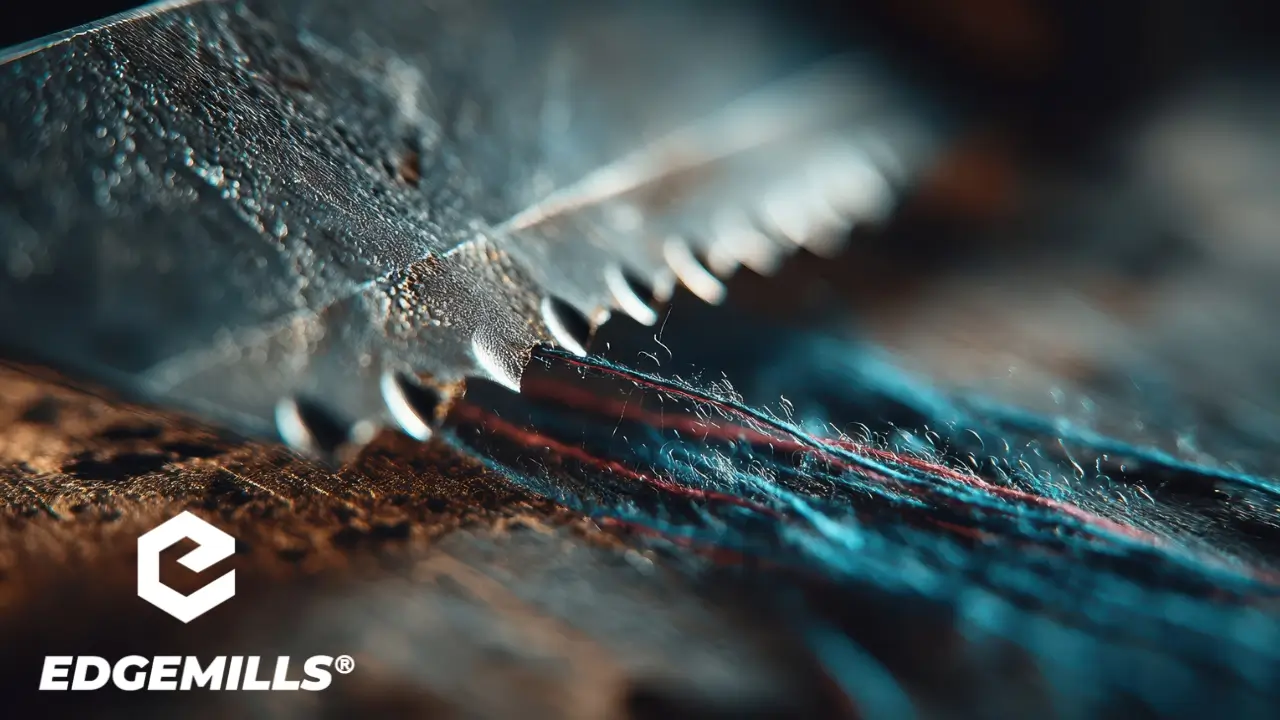
An industrial blade cutter is a vital tool in modern 2026 manufacturing. Unlike a home utility knife, this machine handles massive production volumes daily. These powerful machines process paper, rubber, and plastics with extreme precision now. High-performance blade cutter systems are the core of global supply chains today. They operate at speeds over two thousand feet per minute in plants. These tools keep a strict tolerance of 0.1 mm for every cut. Modern factories need these machines to stay competitive in the current market. Manual hand tools cannot match the speed of these fast automated systems. High-quality blade cutter units reduce waste and improve your total factory profits. Every facility manager must understand these heavy systems to succeed in business. Using the right industrial tool ensures a clean finish on your products.
Choosing a professional blade cutter is essential for keeping a high production speed. Industrial blades are often made from high-grade tungsten carbide or tool steel. These materials allow for much longer life cycles than standard consumer razors. A typical factory machine performs ten thousand cuts every hour with ease. This creates a massive efficiency gap compared to using a simple knife. Precision and durability are the most important factors for industrial buyers today. Edgemills provides precision blades for many different types of global factories. Our products help companies achieve a very high return on their investment. Picking the best machine prevents costly downtime and slow production speeds. You can save a lot of money by using advanced, wear-resistant blades.
The Basic Meaning of an Industrial Blade Cutter
A professional blade cutter is a machine built for high-precision material processing. It uses mechanical force to slice materials with a very sharp edge. This tool is very common in the paper and textile industries now. It differs from home tools due to its massive scale and power. Industrial machines use machine knives that weigh several hundred pounds each. These blades are often heat-treated to reach a high level of hardness. A standard blade cutter definition includes the ability to perform repetitive tasks. These machines are integrated into larger and fully automated production lines today. This allows for continuous manufacturing without any manual help from human workers.
The primary goal of a blade cutter is to maximize production efficiency. It achieves this by delivering clean and consistent cuts at high speeds. These machines handle materials that would destroy a standard consumer utility knife. For example, a steel blade cutter can slice through thick rubber easily. High-speed operation requires the use of specialized and high-performance industrial cutting solutions. Most machines use industrial machine knives designed for specific types of materials. This specialization ensures that the blade does not dull too quickly during use. A well-designed blade cutter helps factories meet their strict daily production quotas. It is a vital component for any modern industrial fabrication process now.
5 Main Types of Modern Industrial Blade Cutters
There are five main types of industrial blade cutter systems used. Each machine serves a specific purpose in the diverse manufacturing world today.
1. Rotary Blade Cutters for High-Speed Slitting
A rotary blade cutter uses circular blades to shear long material rolls. These machines are essential for the paper and film processing industries now. Paired male and female blades work together to create very clean cuts. This process is often called slitting in the modern packaging industry. It is the fastest way to process very large material rolls today. Many facilities use these for making labels and plastic packaging films. High-quality Paper Cutting Blades are perfect for this high-speed industrial task. They offer a very long life even when cutting very abrasive materials.
| Parameter of the Tool | Industrial Value | Modern Factory Application |
| Operating Speed | 2000 fpm | High-volume film and paper roll processing. |
| Blade Diameter | 4 to 12 inches | Standard and custom packaging material tasks. |
| Cutting Tolerance | 0.05 mm | Precise labels and medical-grade packaging. |
2. Guillotine Blade Cutters for Bulk Shearing
The guillotine blade cutter uses a vertical shear for very thick stacks. These machines are common in the printing and metal fabrication sectors now. A long, straight blade descends to cut through multiple layers at once. They are known for providing very straight and high-accuracy finish cuts. Most industrial blade manufacturers use D2 tool steel for these heavy blades. This material provides the toughness needed for high-impact cutting tasks every day. You can find these in many large-scale paper converting facilities today. They are also used as Metal cutting blades in many metal plants. These metal shear blades are designed to handle extreme pressure without breaking.
3. Clicker Press Die Cutters for Complex Shapes
A clicker press uses a hydraulic ram and sharp perimeter metal dies. This is a vital tool for the global leather goods industry. It pushes a metal die through thick hides to create patterns. These machines are perfect for making shoe parts and handbag panels today. They can deliver up to three hundred tons of hydraulic force easily. This allows the machine to cut through many layers of hide simultaneously. The precision of the die ensures every part is identical every time. Many automotive plants use these for cutting leather seat covers every day. It is the gold standard for leather cutting blades in factories.
4. Band Knife Cutters for Precision Splitting
A band knife uses a long, circulating blade to split dense materials. These machines are used for skiving or splitting thick leather hides now. They are also common in the foam and rubber processing sectors today. An integrated grinding stone keeps the blade sharp during every single cut. This ensures a consistent thickness across the entire piece of material now. It is a very efficient way to create thin leather linings. Many footwear brands rely on these for making flexible shoe uppers today. The endless blade design allows for continuous and very smooth cutting work. These industrial knives are built for long-term durability in heavy plants.
5. Oscillating Knife CNC Cutters for Custom Work
The oscillating knife uses a vibrating blade and advanced AI software. This modern blade cutter is the gold standard for custom work now. The blade vibrates at high frequencies to saw through soft materials. It follows a digital path to ensure zero material waste daily. AI nesting software places the patterns in the best possible layout today. This system is perfect for low-volume and highly custom production runs. It eliminates the need for expensive physical metal dies in busy factories. Many high-end fashion brands use this tech for their custom clothes. These industrial cutting solutions offer incredible flexibility for modern manufacturers.
Choosing Materials for Your Industrial Blade Cutter
Picking the right material for your blade cutter is very important. Most industrial buyers choose between High-Speed Steel and Tungsten Carbide blades now. Each material has unique benefits for different types of cutting tasks today. High-Speed Steel is a great all-purpose choice for many factory lines. It offers a good balance between cost and total blade life today. Carbide is the premium choice for high-speed and abrasive cutting tasks. It can last up to twelve times longer than standard steel now. This makes it a very cost-effective production tool choice today.
A carbide blade cutter is best for high-volume paper slitting tasks. It stays sharp even when processing recycled papers with high grit now. High-Speed Steel is better for tasks involving high vibration or impact. It is less brittle than carbide and can handle shocks better today. Many Plastic Cutting Blades use special coatings to reduce friction during cuts. Different blade manufacturers offer custom coatings for both HSS and carbide types. These coatings can further extend the life of your factory tools now. Understanding these material properties helps you maximize your total factory ROI. You should always consult with an industrial blade supplier before buying.
The durability of your tool depends on the heat treatment process used. Most industrial knife and blade manufacturers use vacuum hardening for their tools. This process ensures the blade has a uniform hardness across its edge. High-carbon steel is often used for industrial straight blades in guillotines. These blades need to be tough enough to resist cracking under pressure. Hardened tool steel is also a popular choice for industrial knife blades. It provides excellent wear-resistant blades for long-term use in heavy factories. Using high-precision cutting materials is key to your long-term business success. You need a spare cutter blade ready for every machine you own.
Key Applications of the Blade Cutter Across Industries
The industrial blade cutter is used in many different global sectors. Each industry has specific needs for speed, precision, and blade material.
- Packaging Industry: Uses rotary slitters for high-speed film and cardboard processing.
- Paper Converting: Relies on guillotines for cutting large stacks of newsprint.
- Leather Goods: Employs clicker presses and band knives for footwear production tasks.
- Rubber Products: Uses specialized straight blades for cutting thick industrial rubber sheets.
- Plastics Industry: Requires precision blades for trimming extruded plastic parts and films.
- Food Processing: Needs stainless steel Food Cutting Blades for safe meat slicing.
- Textile Sector: Uses CNC oscillating knives for cutting complex fabric patterns quickly.
The speed of production varies greatly depending on the material being cut. Paper rolls can move at two thousand feet per minute daily. Leather hides are processed much more slowly due to their natural variations today. A precision blade manufacturer designs blades that are optimized for each industry. Our Food Cutting Blades meet all safety and hygiene standards for 2026. We also provide heavy-duty metal blades for specialized industrial fabrication tasks. Choosing the right industry-specific blade cutter ensures the best product quality. High-quality tools are the key to staying competitive in manufacturing now.
In the world of textile cutting systems, precision is absolutely critical. A small error can ruin an entire bolt of expensive fabric. This is why many factories use a precision blade cutter system. These machines use rotary blade cutter heads for fast linear fabric cuts. For complex shapes, a custom blade cutter with an oscillating head is best. Modern industrial fabrication requires tools that can adapt to different materials easily. Whether you cut cotton or synthetic fibers, you need a sharp edge. Using high-speed operation tools allows you to meet tight retail deadlines.
OSHA Safety Standards and Maintenance for a Blade Cutter
Safety is the top priority when operating an industrial blade cutter. These machines are powerful and require strict safety protocols every day. OSHA 1910.212 mandates that all machines must have proper physical guarding. This prevents workers from touching the blade during the cutting cycle now. Many modern machines use infrared light curtains for extra safety today. These sensors stop the machine if a hand enters the zone. You must also follow lockout and tagout rules during blade changes. This ensures the machine cannot start while a worker is inside.
Proper maintenance is just as important as safety for your plant. A dull blade cutter is dangerous because it requires more force. This can lead to material jams or unexpected machine failures daily. You should follow a strict sharpening schedule for all your blades. Wood Cutting Blades and metal shears need regular honing for precision. Most factories check blade tension and alignment every single morning shift. This simple step prevents poor cuts and reduces total material waste. High-quality metal shear blades are built for very easy maintenance tasks.
Downtime for blade sharpening can last for several hours in plants. You should always have replacement blades ready for a quick swap. This keeps your production line moving while the other blade is ground. Using a blade replacement cycle is a very smart business move. It ensures every shift has access to a sharp and safe tool. An industrial knife manufacturer can provide technical support for your maintenance plan. We help you create a schedule that fits your daily volume. Safe and well-maintained tools lead to a much more productive factory. Your cutter blade replacement should be fast and very safe for workers.
Custom Blade Solutions from Edgemills
When you need a reliable blade cutter, look for an expert. We specialize in precision blades for many industrial applications today. Our team can help you choose the best material for your task. We offer a wide range of stock and custom blade options. Most stock blades ship the same day if ordered before noon. Custom blades are made to your exact specs within nine weeks. We maintain a tolerance of point zero zero one inch. This level of accuracy is vital for modern high-speed production lines.
We provide blades for the paper, packaging, rubber, and plastics industries worldwide. Our Food Cutting Blades are designed for clean and very safe operation. We also offer specialized Wood Cutting Blades for high-volume furniture manufacturing. Many customers say our blades provide the cleanest cuts they have ever seen. Our engineers will walk you through the entire selection process daily. We focus on providing high-quality solutions that boost your factory profits. You can always trust our expertise in metallurgy and precision engineering. Our goal is to make your cutting tasks faster and easier.
Modern manufacturing cutting tools must handle very tough metal alloys. This is where a blade iron cutter or steel blade cutter excels. These tools are designed to blade cut metal without losing their edge. If you use a blade metal cutter, you know how heat affects performance. Our blades are heat-treated to withstand extreme temperatures in your heavy machines. This leads to an extended blade life for all your factory equipment. Reducing your downtime is our primary goal at the end of the day. Using made-to-spec blades ensures a perfect fit for every machine you own. We are a trusted custom industrial blades provider for big firms.
Conclusion
Technology for the blade cutter is changing very fast in 2026. Automation and AI are making factories much more efficient and profitable now. From clicker presses to CNC knives, the right tools are essential. They allow your brand to grow from a shop to a leader. Investing in quality is the best way to secure your future. Partner with a trusted industrial blade manufacturer for the best results now. This ensures your production line is safe and very cost-effective today. Do not let dull blades ruin your factory’s competitive edge today.
Are you ready to improve your production with the best blades? Get a Quote Today and let our experts help your factory grow. We can design the perfect cutting solution for your unique needs. Our team is standing by to support your industrial journey now. Contact us to learn more about our high-performance cutting solutions today. We look forward to working with your team very soon. Let’s build a more efficient future together with the right tools. Your success is our primary mission at the end of the day.
FAQ
How to choose between HSS and carbide blade cutters?
You should choose HSS if you have a lower production volume. This material is more affordable and very easy to sharpen in-house. Pick a carbide blade cutter for high-volume and abrasive materials every day. Carbide costs more but lasts much longer than standard tool steel now. It is the best choice for long-term savings in busy plants. Your choice should depend on your specific budget and material type. Using wear-resistant blades is usually worth the extra cost for large firms.
What are common safety measures for blade cutters, OSHA 1910.147?
The most common measure is the Lockout/Tagout (LOTO) safety protocol for machines. This ensures all power is cut during blade maintenance or changes now. You should also use physical barrier guards and infrared light curtains today. These features protect workers from dangerous nip points and rotating blades now. Training every operator on these rules is vital for factory safety. Following these industrial cutting safety standards prevents accidents and keeps your facility running. Proper safety guards are the law for all industrial workplaces in 2026.
How do rotary blade cutters work in slitting machines?
A rotary blade cutter uses two circular blades to create a cut. They act like a pair of high-speed scissors for material rolls. The blades spin as the material passes through the machine’s rollers now. This allows for continuous and very fast slitting of paper or film. It is the most efficient way to handle jumbo material rolls today. Proper blade edge geometry is key to a perfect and clean slit. This process provides clean and consistent cuts for your final packaging products.
What is the return on investment for high-quality blades?
High-quality blades offer a massive ROI by reducing total production downtime every month. They stay sharp longer, which means fewer blade changes for your staff. Sharp blades also reduce material waste by providing cleaner and more accurate cuts. This saves you money on raw materials and secondary trimming labor now. Investing in the best industrial blades always pays for itself very quickly. You should always look at the total cost of ownership today. High-quality cutter blade options improve your production efficiency and bottom line.