
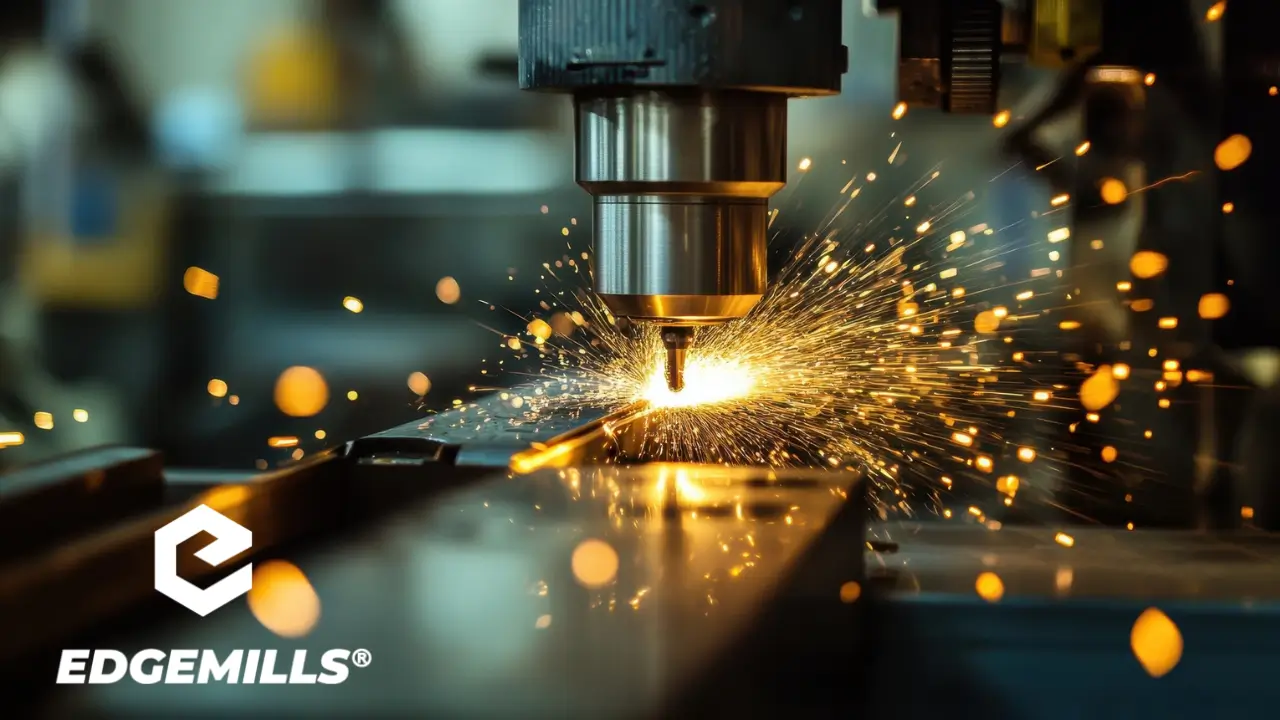
In the modern world of fabrication, the sheet metal shearing process is a vital tool. This method allows shops to create straight cuts in steel sheets without making chips. It relies on intense pressure from two sharp cutting edges to separate the metal. Many shops in Ohio and Punjab use this to speed up their work. The sheet metal shearing technique is much faster than traditional sawing or manual cutting. It can handle various materials, ranging from thin aluminum to thick high-strength steel. Choosing the right shearing equipment ensures that your production line remains very efficient. This guide will walk you through every step of this essential industrial method.
What is the Sheet Metal Shearing Process?
To understand the sheet metal shearing process, you must look at its basic physics. It is a mechanical process used to cut long, straight lines into metal. Most manufacturing processes today require precision and speed to remain truly profitable. The shear uses an upper blade and a lower blade to do the work. The lower blade stays fixed while the upper blade moves down with force. This action creates a clean break along the entire length of the material. Modern industrial machinery has made this much more accurate than in previous years. High-quality metalworking tools are necessary to maintain a very high level of quality.
A Step-by-Step Look at the Shearing Mechanics
The shearing of metal happens in four distinct and very important stages. Each stage must work perfectly to ensure that the final product is clean.
Material Clamping and Hold-Downs
First, the machine must secure the metal sheet so it does not move. Heavy hold-downs press against the material to keep it perfectly flat and steady. Without proper clamping, the metal might shift during the fast cutting stroke. This would lead to inaccurate dimensions and potentially dangerous blade chipping or cracks. Proper clamping is the foundation of all high-quality precision cutting in factories.
The Initial Notching Stage
Next, the upper blade makes contact and starts the notching phase. The blade pushes into the metal and creates a small, visible indentation. During this time, the material undergoes a small amount of elastic deformation. The metal begins to stretch but has not yet started to break. High-quality shear blades are designed to handle this initial impact without dulling.
Penetration and Plastic Deformation
As the blade continues down, it enters the stage of penetration. The blade moves deeper into the metal, causing the material to flow plastically. This part of the process creates the smooth “burnished” zone on the edge. High-performance shear steel is used to maintain this edge over many cycles. You can see our latest [shear blades] to see how we improve this stage.
The Final Fracture and Tearing
Finally, the internal stress in the metal exceeds its total tensile strength. This causes a fracture to occur between the upper and lower blades. The two micro-cracks meet, and the metal separates into two distinct pieces. This results in a clean break that requires very little extra finishing work. Keeping your metal shears sharp ensures this break happens very cleanly every time.
Types of Industrial Sheet Metal Shearing Machines
There are several types of machines used in the sheet metal shearing process today. Each machine offers different benefits for various types of industrial fabrication tasks.
The Hydraulic Guillotine Shear
The guillotine shear blades in these machines move in a straight vertical line. These are the most common tools for cutting thick plates of metal. They offer adjustable rake angles to help reduce the total cutting force. Using a lower angle helps to prevent the metal from twisting or bowing. Many [custom shear blades] are made specifically for these high-power hydraulic guillotine machines.
The Swing-Beam Shearing Machine
A swing-beam shear uses a curved motion to move the upper blade down. This design is often more compact and requires less maintenance over time. It is perfect for medium-duty tasks where speed is more important than thickness. The fixed blade gap in these machines is often very easy to adjust. This helps workers maintain high blade durability even when cutting different metal types.
Rotary Shears and Slitting Lines
For continuous rolls of metal, factories use rotary or slitting machines. These machines use circular metal shear cutters to slit long coils into strips. This is the fastest way to handle high volumes of thin-gauge materials. It is a key part of the modern industrial cutting operations for large mills.
Power Systems for Modern Shearing
The way a machine gets its power affects its speed and its precision. Modern shops have three main options for powering their metal-cutting shear blades.
- Mechanical Shears: These use a flywheel to store energy for fast cuts. They are the best for thin sheets and very high-speed production lines.
- Hydraulic Shears: These use fluid pressure to move the ram with great force. They are the most stable choice for cutting very thick steel sheets.
- CNC Electric Shears: These use servo motors for the highest level of precision. They are very quiet and allow for easy blade alignment adjustment automatically.
Critical Parameters for High-Quality Cuts
To get the best results, you must monitor several technical settings very closely. These parameters determine the industrial blade performance and the life of your tools.
Setting the Proper Blade Clearance
The clearance is the small horizontal gap between the upper and lower blades. For most steel, this should be between 2% and 10% of the thickness. If the gap is too large, the metal will simply bend and burr. If it is too small, the blades will crash and wear out fast. Proper clearance is vital for maintaining your long-lasting shear blade material quality.
Adjusting the Rake and Shear Angle
The rake angle is the slope of the upper blade during the cut. A higher angle reduces the force needed to cut through thick metal plates. However, a high angle can also cause the metal to twist or curl. Finding the right angle is a balance between machine power and part quality. Expert industrial blade fabrication helps in creating blades that handle these angles perfectly.
| Material Type | Recommended Clearance | Standard Rake Angle |
| Mild Steel | 5% to 8% | 1.0 to 2.5 degrees |
| Stainless Steel | 8% to 12% | 2.0 to 3.0 degrees |
| Aluminum | 4% to 6% | 0.5 to 1.5 degrees |
Material Behavior During the Shearing Process
Not all metals behave the same way when they are under the blade. You must understand how your material will react to avoid blade chipping.
- Ductility: Soft metals like aluminum are very easy to shear without much force.
- Hardness: High-strength steel requires much more pressure and very tough tool steel shear blades.
- Springback: Some metals will snap back to their original shape after the cut. This can affect the final shear tolerances of your finished metal parts.
Ensuring you have the right [industrial blade performance] is key to handling these material changes. High-carbon and D2 tool steel are often the best choices for tough jobs.
Applications Across Different B2B Industries
The sheet metal shearing process is used in many different sectors in 2026. It is a cornerstone of modern manufacturing for a wide variety of products.
- HVAC and Ductwork: Creating long, straight blanks for heating and cooling ducts.
- Automotive Stamping: Preparing the initial metal blanks for car doors and body panels.
- Scrap Metal Processing: Cutting large pieces of steel into smaller, more manageable recycling sizes.
- Construction: Making structural plates and brackets for large buildings and highway bridges.
Troubleshooting Common Shearing Defects
Even with the best manufacturing plant cutting tools, problems can sometimes happen. You must know how to fix these defects to maintain high quality.
- Excessive Burrs: This is usually caused by a blade gap that is too wide. You should check and reduce your blade alignment adjustment to fix this.
- Camber and Bowing: This happens when the rake angle is set too high. Try lowering the angle to keep the cut straight and the part flat.
- Cracked Edges: This occurs when the material is too hard or the blade is dull. Regular edge sharpening and inspection can prevent this from happening in your shop.
The Economics of Modern Metal Shearing
Investing in high-quality industrial shear blades is a smart financial move for shops. The cost per cut is much lower than other cutting methods today.
| Cutting Method | Speed | Cost Per Cut | Waste Produced |
| Shearing | Very High | Very Low | Minimal |
| Laser Cutting | Medium | High | High |
| Plasma Cutting | Medium | Medium | Medium |
Using custom shear blades from a reliable source like Edgemills can improve your ROI. Our custom shear blades are built to last longer and reduce your yearly downtime.
Safety and Sustainability Best Practices
Safety is the most important part of any industrial cutting operation today. You must follow OSHA rules to keep your team safe and productive.
- Point-of-Operation Guards: These stop hands from entering the dangerous blade zone during work.
- Light Curtains: These use lasers to stop the machine if someone gets too close.
- Scrap Recycling: Always collect the small metal edges for scrap metal processing and reuse.
- Proper Maintenance: Follow a strict blade maintenance tips schedule to prevent any machine failures.
Conclusion
Mastering the sheet metal shearing process is essential for any modern manufacturing business. By choosing the right shearing equipment and materials, you can greatly increase your profit. Remember to keep your cutting edges sharp and your machine settings perfectly calibrated. High-quality metal shear blades are the best investment you can make for your shop.
Don’t let poor blade quality slow down your production or hurt your parts. At Edgemills, we provide the expertise and the tough tools you need to win.
FAQs
What is the sheet metal shearing process?
The sheet metal shearing process is a chipless way to cut straight lines in metal. It uses a moving upper blade and a fixed lower blade to apply force. This force causes the metal to fracture cleanly along a straight path for you. It is the best method for making fast and accurate blanks for fabrication shops. Modern machines use CNC controls to make this process even more precise today.
Guillotine vs. swing-beam?
The choice between a guillotine and a swing-beam shear depends on your thickness. A guillotine shear moves in a straight vertical line for very thick plates. It allows for a variable rake angle, which helps to reduce the cutting force. A swing-beam shear is better for medium thickness and requires less maintenance over time. Both types use high-quality shear blades to provide clean and very accurate cuts.
Typical tolerances for 16ga steel?
For 16-gauge steel, the typical shear tolerances are usually around plus or minus 0.008 inches. This level of precision is common for high-quality industrial machinery in most fabrication shops. Maintaining these tight tolerances requires sharp blades and a very accurate back-gauge system. Regular industrial blade inspection helps to ensure that your parts stay within these specs. Proper machine calibration is also vital for keeping your production line moving correctly.
Clearance for stainless?
The proper blade clearance for stainless steel is usually between 8% and 12% of thickness. Stainless steel is much tougher than mild steel and requires more space to fracture. If the gap is too small, you will cause excessive wear on the blades. If the gap is too large, the edge will have a heavy burr. Using high-chromium D2 tool steel blades helps to maintain this edge for longer.