
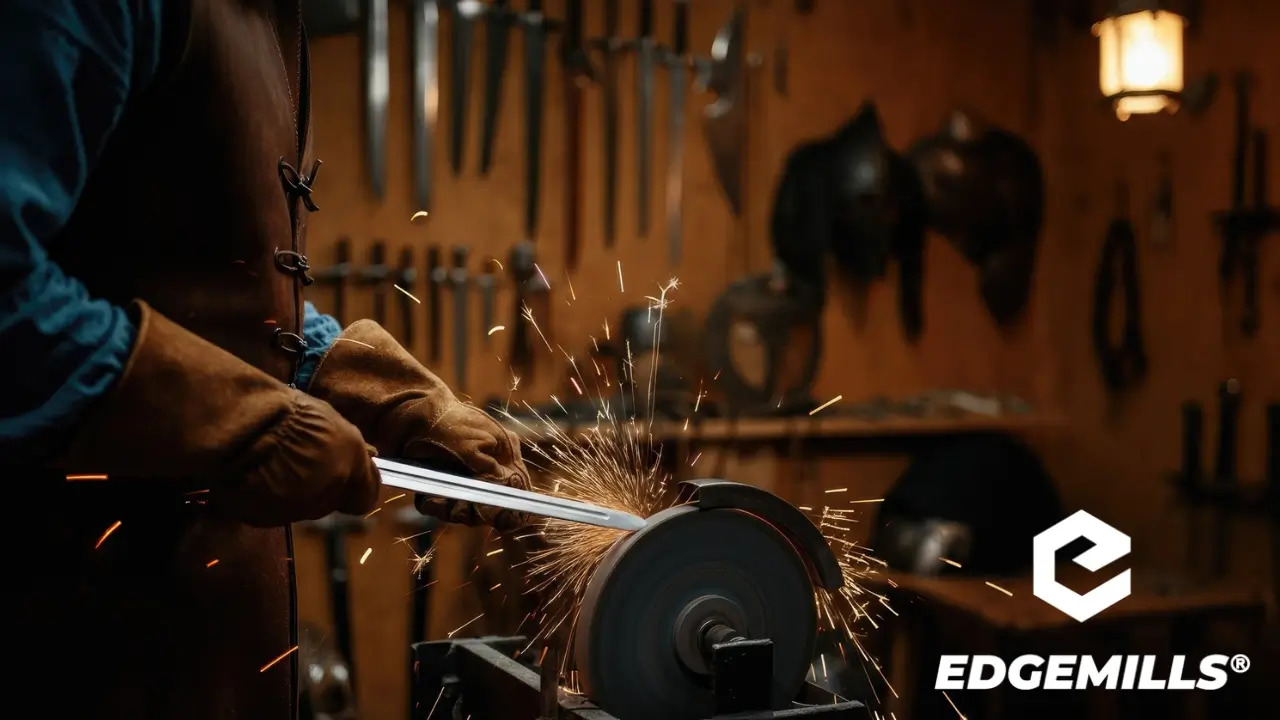
Performing industrial chipper blade sharpening is vital for high-volume wood processing today. Industrial machines need sharp edges to maintain a high daily output for profit. This guide provides the best step-by-step blade sharpening for professional operators. You will learn to maintain your equipment like a real industrial expert today. Using a sharp wood chipper blade makes your processing work much more efficient. This detailed process will ensure your machine runs very smooth and safe. Proper maintenance is the key to achieving high-performance cutting edges every day. You should follow these steps to keep your industrial facility very productive now.
Importance of Industrial Chipper Blade Sharpening
In a factory setting, industrial chipper blade sharpening is a core maintenance task. Dull blades cause the motor to work harder and consume much more fuel. This leads to performance degradation and higher costs for your large-scale operation. When you keep your blades sharp, you reduce the vibration in the machine. A sharp edge allows the wood to feed into the drum very easily. This prevents the machine from shaking or making loud and scary noises today. Proper blade sharpening is the secret to a long-lasting and reliable industrial machine. You will see a big difference in the quality of your wood chips.
Restoring Cutting Edge Performance for Industry
A sharp edge is vital for cutting edge restoration on your heavy-duty tools. Dull blades will only smash the wood instead of slicing it into pieces. This creates a lot of dust and very messy wood piles for you. By using tool sharpening techniques, you can make your blades look new again. This process is essential for anyone who uses industrial chipper blades at work. You will save at least 25% on your total fuel costs this year. That is a lot of money for any large wood processing business owner. Keeping your sharp edges perfect is the secret to a fast job.
Reducing Machine Strain in High-Volume Operations
Dull chipper knives put a lot of pressure on the entire machine frame. This extra strain can cause the bearings and the motor to fail early. Regular chipper blade sharpening helps prevent these common and very costly mechanical issues. It also makes the machine much safer for the professional operator today. A machine that struggles is a machine that might break or cause accidents. Following safety precautions will keep your entire industrial team very safe while working. You should always respect the power of these high-speed industrial cutters at work.
Essential Tools for Industrial Sharpening Tasks
You need the right tool sharpening equipment to get a perfect and sharp edge. Using the wrong tools can ruin your expensive chipper blades very quickly today. Most professionals use a bench grinder sharpening setup for their daily work needs. A belt grinder sharpening tool is also a very good option for experts. You will also need a sharpening jig for blades to keep angles right. This helps you maintain a consistent sharpening strokes rhythm while you are working. Having the right precision grinding tools is the key to a professional finish.
The Role of Grinders and Cooling Systems
A grinding wheel for blades is used to remove the biggest metal nicks. You should choose a wheel that is designed for high-speed tool steel. After grinding, you will need a sharpening stone for blades for the finish. This helps you achieve the final blade edge refinement that you really need. A fine stone will remove any tiny burrs left on the metal edge. This ensures your wood chipper knives stay sharp for a very long time. Using metal grinding equipment correctly takes a bit of practice and some patience.
Measuring and Industrial Reinstallation Tools
You will need a digital scale to check the blades alignment and weight. It is very important that all your blades weigh exactly the same amount. You also need a heavy-duty torque wrench for the final reinstallation steps. This ensures the bolts are tight enough to stay safe during high speed. Using proper tool handling will keep your equipment in the best possible shape. These tools are a great investment for anyone doing power tool sharpening professionally. You can find many [industrial wood processing] tools to help with these tasks.
Step 1: Preparation and Blade Inspection Process
The first step in industrial chipper blade sharpening is the inspection phase. You must follow a strict accident prevention tips protocol for your industrial facility.
- Lockout/Tagout: Ensure the machine cannot start by using a professional safety lockout.
- Remove the Blades: Use heavy-duty sockets to remove the blades from the drum.
- Cleaning: Scrub the blades with solvent to remove all pitch and wood resins.
- Check for Damage: Look for chipped blade edges or tiny hairline fractures today.
If a blade has a crack, it must be scrapped for safety reasons. Cracked blades can shatter at high RPMs and cause very serious machine damage. Checking the blade wear indicators will tell you if the blade is safe. If the steel is too thin, it is time for a replacement. Proper chipper blade care means knowing when to replace your industrial cutting tools.
Step 2: Securing the Correct Bevel Angle
The blade sharpening angle is the most important part of the entire process. Most industrial wood chippers require an angle between 30 and 45 degrees. A 35-degree angle is a common choice for processing soft wood and waste. For hardwoods, a steeper 40-degree correct cutting angle is often much better today. Using a sharpening jig for blades will help you keep this angle perfect. Consistency across the entire blade length is the key to blade profile shaping. If the angle is wrong, your chipper blades will not cut efficiently.
Maintaining Consistency for Industrial Output
A consistent angle ensures that every blade in the set cuts the same. This prevents the machine from shaking during the high-speed wood chipping process now. You must maintain a consistent sharpening strokes pattern for the best results today. This is a vital part of tool sharpening techniques for modern industrial gear. A perfect angle ensures that your cutting edge angle stays sharp and strong. This leads to edge retention optimization and much better wood chips for you. You can browse our professional [chipper blades] to find high-quality replacements for your facility.
Step 3: Grinding the Industrial Blade Edges
Now you can begin the metal grinding on your heavy-duty industrial blades. Secure the blade in your jig and turn on the grinding machine. Use light pressure and move the blade across the wheel very slowly. You should always move the blade in a constant and smooth motion today. Never let the metal get too hot while you are grinding it now. If the metal turns blue, the blade has lost its industrial strength. This is a common mistake in how to sharpen chipper blades today. Use a coolant system to keep the blade temperature very low while working.
Restoring the Edge and Removing Damage
Continue the grinding process until all nicks and burrs are completely gone. Your goal is to have a perfectly straight and very sharp edge. Check your work often to make sure the blade profile shaping is right. You may need to make several light passes to get a perfect result. This blade edge restoration takes time but provides the best cutting performance. A smooth edge will provide a much better wood shredding efficiency for you. Focus on the precision edge alignment to get the best final results today.
Step 4: Honing and Removing Nicks and Burrs
Grinding creates a tiny wire edge that must be removed for performance. You should use a fine sharpening stone for blades to hone the back. Hold the stone perfectly flat against the back of the cutting blade. Move it in small circles until the back side feels very smooth. This blade edge refinement is what makes the blade truly sharp for work. It is an essential step in chipper blade sharpening for every professional. Honing ensures your high-performance cutting edges stay sharp for a long time.
Final Edge Refinement for Industrial Use
Honing helps the blade slice through wood fibers instead of just tearing. This results in a much better chip quality for your industrial projects. It also helps the blade stay sharp for a much longer time today. You should spend a few minutes on this edge retention optimization step. It is the difference between a good blade and a great one now. Your industrial blade sharpening results will look like they came from a factory. This is a key part of long-term blade care for all facilities.
Step 5: Balancing and Weight Matching
In industrial settings, balancing your blades is a safety requirement for every machine. When you grind metal, the weight of the chipper knife will change. If the blades are not even, the machine will start to vibrate. This vibration can destroy the bearings in your expensive industrial wood chipper. Use a digital scale to weigh every single blade in the set. They should all be within one gram of each other for safety. If one is too heavy, remove a little metal from the back.
Ensuring Smooth Industrial Operation
A balanced machine runs much quieter and lasts much longer than others. It also provides a much smoother cutting operation for the professional operator. You can do a simple spin test to check the blades alignment now. If the head stops in the same place every time, it’s heavy. Keep adjusting until the head stops in a different spot every time. This precision grinding tools step is vital for your machine’s health today. Proper balancing is a big part of industrial blade sharpening standards for 2026.
Step 6: Reinstallation and Torque Specifications
Now you are ready to put the blades back into your machine. Make sure the mounting surface is clean and free of any dirt. Use new bolts for the reinstallation process for the best safety results. Tighten the bolts by hand first to make sure they are straight. Then, use a torque wrench to tighten them to the right specs. You can find the correct torque in your equipment repair manual now. Proper blade alignment adjustment is the final step in this big job.
Final Checks for Industrial Safety
Check the gap between the blade and the anvil with a gauge. This gap must be exactly within the manufacturer’s specified range for safety. If the gap is too wide, the wood will not chip well. If it is too close, the blades might hit the metal anvil. This proper blade installation is vital for the safety of your machine. Once everything is tight, spin the head by hand to check it. You are now ready to start your efficient wood processing tasks again. Always do a quick test run at low speed first today. You can read more in our [blade maintenance] guide for experts.
Economic Impact of Industrial Blade Sharpening
Investing time in industrial chipper blade sharpening will save your company money. You will use less fuel and your machine will last much longer. Sharp blades also mean you can finish your jobs much faster every day. This increases your total improved machine productivity and your profit for the year. The cost of a few tools is much lower than repairs. Regular blade maintenance is the best way to run a smart business. Proper chipper blade care is essential for any high-volume wood processing facility today.
| Benefit | Dull Blades | Sharp Blades |
| Fuel Use | High and Expensive | Low and Very Efficient |
| Work Speed | Slow and Frustrating | Fast and Very Productive |
| Chip Quality | Rough and Dusty | Clean and Very Uniform |
| Machine Life | Short and Costly | Long and Very Reliable |
Troubleshooting Common Industrial Blade Issues
If your blades dull too fast, you might have the wrong angle. A shallower angle is often better for soft and very green wood. If the machine vibrates, you need to check the balance of blades. Make sure you weighed every blade correctly on your digital scale today. If you see blue spots, you used too much heat during grinding. This means the steel has become soft and will not stay sharp. You may need to perform blade edge restoration again very carefully now.
Addressing Blade Fatigue and Failure
Large nicks in the metal often mean you hit a heavy rock. You will need to remove more metal to fix these large chips. If the damage is too deep, you should replace the entire blade. Never try to weld a broken chipper knife back together for use. This is very dangerous and can cause the blade to shatter today. Following safe grinding techniques will help you fix most minor damage easily. Always keep a spare set of blades in your facility for emergencies. Proper industrial blade sharpening prevents most of these common wood processing problems.
Conclusion
Mastering industrial chipper blade sharpening is a vital skill for every facility manager. It ensures that your industrial cutters work fast and stay very safe. Following this step-by-step blade sharpening guide will lead to great results. Remember to focus on safety and precision during every single step. Taking care of your blades will save your company a lot of money. You will enjoy a much more efficient wood processing experience every day. At EdgeMills, we provide the tools you need for industrial success.
FAQs
How often should I sharpen my chipper blades?
Chipper blade sharpening should occur every 10 to 50 hours of industrial use. The frequency depends on the wood type and the volume you process. If the machine struggles to feed wood, it is time for maintenance. Regular industrial chipper blade sharpening keeps your production lines running very smooth. You should inspect the blades every day before starting the big machine.
How many times can a chipper blade be sharpened?
Most industrial blades can be sharpened three to five times for safety. You must check the blade wear indicators during every single maintenance session. If the blade is too thin, it cannot handle the heavy loads. Every time you sharpen, you remove a small amount of the steel. Proper chipper blade care helps you avoid dangerous blade failures in your shop.
How do I remove chipper blades safely?
To remove the blades safely, you must engage the industrial lockout/tagout system. Use a drum locking pin to prevent any accidental rotation of the head. Wear protective gloves for grinding to keep your hands safe from sharp edges. Always use the correct tools to avoid stripping the heavy mounting bolts. Following machine safety precautions is the most important part of the job.
What is the best angle for sharpening chipper blades?
The best angle for sharpening chipper blades is usually between 30 and 45 degrees. A 40-degree angle is ideal for heavy-duty industrial wood processing tasks today. You should use a sharpening jig for blades to keep the angle even. This ensures a smoother cutting operation and very clean wood chips for sale. Proper blade profile shaping is the key to a high-performance industrial machine.