
Modern industrial industries use power sheet metal shears for high-speed fabrication tasks. These tools provide a clean cut without the heat of a saw. Most professional models handle 14 to 18-gauge mild steel with ease. You will find power sheet metal shears in every top HVAC industry. They allow workers to follow complex templates with very high accuracy. These power sheet metal shears reduce physical strain during long production shifts. In 2026, brushless motor technology has improved the total tool runtime. You can achieve a precision cut on various industrial metal materials. These tools are essential for achieving a high-quality, burr-free edge today.
Technical Specifications and Material Capacities
Understanding the limits of your metalworking equipment is very important for safety. Most power sheet metal shears are rated by their maximum gauge capacity. A higher gauge number actually means the metal sheet is thinner. For example, 18-gauge steel is thinner than 14-gauge steel. Professional industrial sheet metal shears typically operate at 2500 strokes per minute. This high speed ensures a smooth cutting performance on long metal sheets. You should always match the tool to the specific metal type. Stainless steel sheets require more power than standard aluminum or copper.
Material Capacity Comparison Table (2026 Standards)
| Metal Type | Max Gauge (Power Shears) | Max Thickness (mm) | Cutting Difficulty |
| Mild Steel Sheets | 14 Gauge | 1.90 mm | Moderate |
| Stainless Steel Sheets | 16 Gauge | 1.50 mm | High |
| Aluminum Sheet Metal | 12 Gauge | 2.05 mm | Low |
| Copper Sheets | 12 Gauge | 2.05 mm | Low |
| Galvanized Steel | 14 Gauge | 1.90 mm | Moderate |
Primary Uses in the Construction Industry
The construction industry relies on powered metal shears for roofing and siding. Contractors use them to trim corrugated metal sheets on the job site. These metal cutting tools are much faster than using manual tin snips. You can cut metal panels to the exact length in seconds. They are also vital for installing custom window flashing and gutters. A sharp blade ensures the metal does not rust at the edge. Power sheet metal shears help maintain the integrity of the protective coatings. This results in much better durability and build quality for buildings.
Roofing Sheet Cutting and Flashing
Trimming roofing sheet cutting panels requires a very straight and clean line. Power sheet metal shears glide through ridges without crushing the metal profile. This maintains the structural strength of the entire roof system today. You can also use cordless metal shears for safer work on roofs. They eliminate the danger of tripping over long extension cords now. For complex corner flashing, use a swivel head shears for better access. This tool provides a precision cut in very tight or awkward spaces. High-quality metal shears make these difficult roofing tasks much easier.
HVAC Fabrication and Ductwork Applications
In HVAC fabrication, speed and airtight seals are the top priorities. Technicians use power sheet metal shears to build custom ductwork and fittings. These sheet metal cutting tools create edges that fit together perfectly. You can trim galvanized steel ducts with incredible speed and total accuracy. This prevents air leaks and improves the energy efficiency of systems. Many industries prefer pneumatic metal shears for heavy-duty daily production work. These air-powered metal shears stay cool even during continuous use cycles. Every modern HVAC industry needs professional shearing tools to stay competitive.
Fabricating Custom Duct Fittings
Custom fittings often require curved metal cutting for a perfect mechanical fit. A swivel head shears design is the best choice for this. It allows the operator to change directions without stopping the cut. This results in burr-free cutting that is safe for the installers. You can easily cut round holes for vents in rectangular ducts. These powered cutting tools reduce the need for secondary grinding or filing. This creates a much more efficient workflow for the whole team. Using electric sheet metal shears ensures high quality on every fitting.
Automotive Industry and Metal Restoration
The automotive industry uses power sheet metal shears for body panel repairs. Restoration experts use them to remove rusted sections of vehicle frames. These powered metal shears provide a clean line for new patches. You can achieve a precision metal cutting result on thin steel. They are also used for making custom brackets and floor pans. In 2026, many builders prefer shears over noisy, dusty angle grinders. They provide a clean edge that is ready for immediate welding. This speeds up the entire manufacturing process for custom cars.
Cutting Floor Pans and Body Panels
Replacing a floor pan requires an accurate and very clean edge. Power sheet metal shears make this task much faster and safer today. You can follow floor contours without damaging the vehicle frame now. This control is vital for high-end classic car restoration work. The material composition of car bodies requires very strong and sharp blades. High-quality heavy-duty metal shears handle these tough alloys with ease. This makes them a staple tool in any professional body industry. Proper safe metal cutting practices protect the technician from sharp edges.
ROI: Why Power Shears Are a Smart Investment
Buying power sheet metal shears offers a massive return for your business. You can reduce manual labor time by more than fifty percent. These powered metal shears pay for themselves after just a few jobs. In a professional industry, saved time equals higher total profit margins. By increasing production speed, you can accept more client orders today. The durability and build quality ensure these tools last many years. You will spend less money on labor and more on growth. Smart owners always prioritize optimized tool performance for their fabrication teams.
Efficiency and Labor Savings Table
| Task Type | Manual Snips Time | Power Shear Time | Time Saved |
| 10ft Straight Cut | 4 Minutes | 45 Seconds | 81% |
| Circular Vent Cut | 3 Minutes | 30 Seconds | 90% |
| Corrugated Panel | 6 Minutes | 1 Minute | 83% |
| Duct Flange Trim | 2 Minutes | 20 Seconds | 90% |
Comparing Shears to Other Metal Cutting Tools
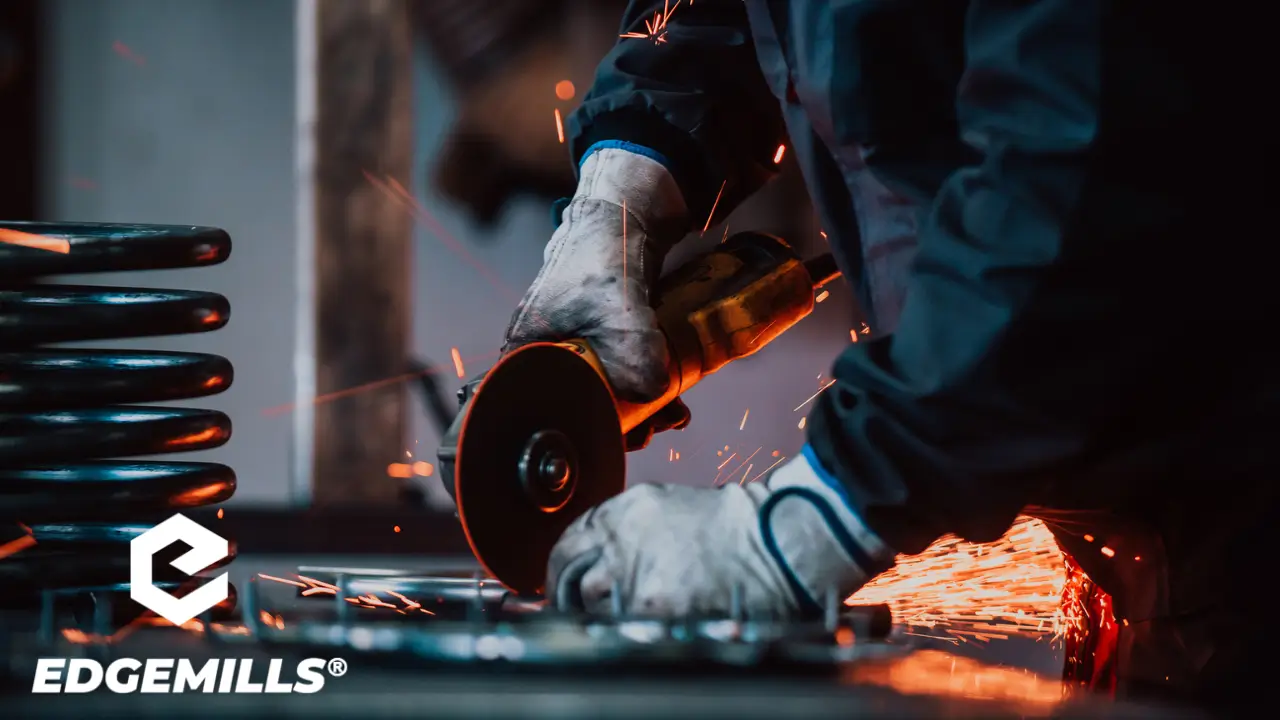
Choosing between power sheet metal shears and other tools is important. Power sheet metal shears offer a much cleaner cut than grinders. Grinders produce sparks, heat, and very messy metal dust today. This can distort thin metal and ruin the paint finish now. Nibblers vs shears is another common choice for many professional workers. Nibblers are great for curves, but leave a messy waste trail. Power sheet metal shears provide the best overall cutting efficiency comparison. They are the best tool for cutting sheet metal for quality.
Shears vs. Nibblers: The Pros and Cons
Nibblers create thousands of tiny metal “chips” that are hard to clean. Power sheet metal shears produce a single, clean ribbon of waste metal. This makes the workspace much safer for everyone in the industry. Shears also provide a much smoother edge on straight cutting tasks. You do not have to worry about a “stair-step” edge. This saves a lot of time during the final assembly process. Most metal fabrication industries prefer shears for their total speed. They are the best sheet metal cutting tools for flat work. High-quality industrial blades are essential for maintaining this performance.
Proper Maintenance and Safe Operation
Maintaining your power sheet metal shears is the key to longevity. You should clean the blades after every single use in the industry. This prevents metal dust from dulling the sharp blade edge fast. Perform a weekly equipment inspection to look for any visible chips. If you find damage, use a replacement shear blade kit immediately. This preventive maintenance keeps your tool in top working condition today. Proper safe metal cutting practices ensure that the operator stays safe. Always wear Level 5 protective gloves and eyewear during any cut.
Tool Maintenance Checklist
- Clean the cutting head with a brush after every use.
- Lubricate the blade pivot points every week with light oil.
- Inspect the power cord for any frays or visible damage.
- Check the blade alignment for a perfect precision cut.
- Store the tool in a dry case to prevent rust.
- Tighten all housing screws to reduce tool vibration during work.
- Use high-quality guillotine blades or shears for the best results.
Conclusion
Mastering your power sheet metal shears will transform your daily work. These tools offer speed and precision that manual tools simply lack. By choosing the right shear, you ensure a professional finish always. You will save time, reduce waste, and improve your industry’s ROI. In the competitive world of 2026, these tools are a necessity. Invest in quality gear to keep your industry running at peak. Your reputation for quality depends on the tools you use daily. Keep your edges sharp and your work clean and very professional.
FAQs
What materials can power sheet metal shears cut?
Power sheet metal shears can cut various types of thin-gauge metal sheets easily. This includes mild steel sheets, aluminum sheet metal, and stainless steel sheets. Most standard models handle up to 14 or 18 gauge thickness today. They are also perfect for cutting copper sheets and brass metal sheets. Always check the cutting capacity (gauge thickness) of your specific tool. Using the tool on metal that is too thick damages it.
How long do shear blades typically last?
The lifespan of your blades depends on the metal you cut. Cutting aluminum sheet metal allows the blades to last a long time. However, cutting stainless steel sheets will dull the blades much faster. On average, a professional blade lasts for several months of use. Regular blade maintenance and cleaning help to extend this time significantly. You should perform an equipment inspection every single week of work. Replacing blades is a normal part of industrial production maintenance.
Do power shears provide cleaner cuts than grinders?
Yes, power sheet metal shears provide a much cleaner cut than grinders. Grinders use an abrasive process that creates heat and dangerous sparks. This often leads to material distortion and a very rough edge. Shears use a cold-cutting shearing action for a smooth edge result. This burr-free cutting requires almost no extra finishing or sanding work. Most metal fabrication industries prefer shears for their total speed. They are the best tool for cutting sheet metal for quality.
What are common mistakes when using power shears?
One common mistake is trying to cut metal that is too thick. This puts too much stress on the motor and the blades. Another mistake is not maintaining the correct cutting angle during work. This can lead to reduced material distortion and a jagged edge. Many users also forget to perform a regular tool maintenance routine. Always keep the blades clean and well-lubricated for the best results. Following safe metal cutting practices is also vital for your safety.