
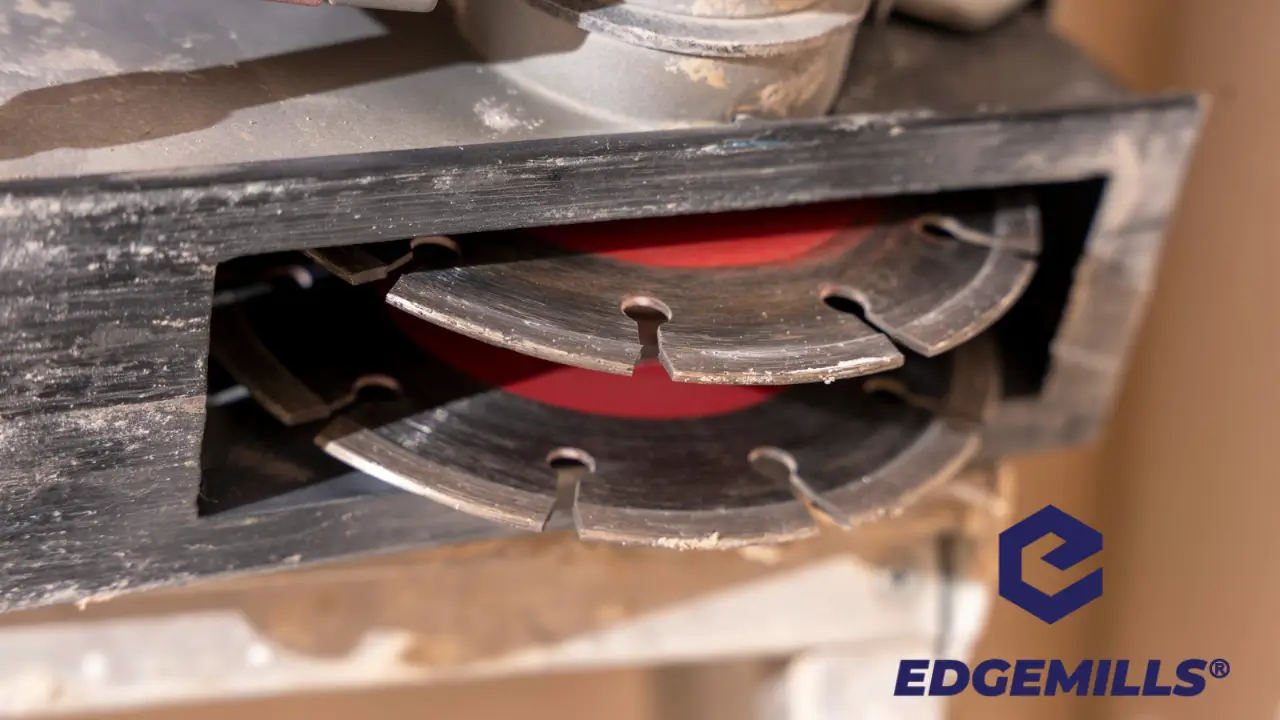
In the industrial world, chipper blades are the unsung heroes of daily efficiency. These precision tools act as the main parts in machines that shred raw materials. They turn bulky waste into small, uniform pieces for recycling or fuel. Whether you manage forests or a plastic plant, blade quality affects your profit. As we head into 2026, the demand for high-performance chipper blades is rising fast. Edgemills leads the market by building blades for the toughest industrial jobs. These tools do more than cut; they improve the output of your entire line.
What are Chipper Blades?
To understand modern manufacturing, we must first define what chipper blades actually do. They are heavy-duty, straight knives mounted on a spinning drum or disc. The machine applies a massive force against a fixed bed knife called an anvil. This action fractures wood, plastic, or soft metals at a very deep level. Chipper blades are vital for turning raw waste into biomass or recycled pellets. In 2026, precision is the goal because thin blades save a lot of energy. High-quality industrial machine knives must be balanced to prevent any costly machine failures.
Using Blades for Forestry and Landscaping
The most common use for these tools is in professional forestry and tree care. Wood chipping is a vital process for land clearing and preventing forest fires. Arborists rely on tree chipper blades to turn branches into mulch in seconds. Without great landscaping tools, the pile of garden yard debris becomes a huge problem. Modern brush chipper blades handle clean wood and branches mixed with dirt or stones.
Hardwood vs. Softwood Processing
Cutting hardwood like oak is much harder on wood chipper knives than cutting pine. Hardwood fibers are very dense and create high heat during the cutting cycle. This heat can soften the edge, causing the blade to dull very quickly. In 2026, many services use carbide-tipped chipper blades to stay sharp much longer. By using wear resistant blades, crews spend less time on difficult field repairs.
Essential Forestry Components
| Tool Type | Application | Material | Maintenance Interval |
| Drum Chipper Blades | Heavy-duty logging | D2 Tool Steel | 10–15 Hours |
| Disc Chipper Blades | Pulp production | HSS / Carbide | 20–30 Hours |
| Mulching Blades | Fine debris reduction | High Carbon Steel | Daily Inspection |
| Brush Cutter Accessories | Clearing thick brush | Hardened Steel | Weekly Sharpening |
Industrial Uses for Chipper Blades
Many people connect these tools with trees, but industrial blades are for factories too. In 2026, a circular economy will make plastic cutting blades more important than ever. Chippers granulate PET bottles, HDPE containers, and even old car parts for reuse. These industrial chipper blades use specific angles to stop plastic from melting during cuts. The paper industry also depends on Paper Cutting Blades to process mill waste.
The Importance of Precision
In a recycling plant, blade edge durability decides the quality of the plastic flake. If the blade is dull, it smears the plastic instead of cutting it cleanly. Top industrial knives and blades manufacturers create a mirror finish to reduce friction. This precision ensures that consistent wood chips or pellets are made every time. Using metal shear blades also helps factories manage aluminum or copper scrap with ease.
Selecting the Best Steel Alloys
The life of your chipper blade depends on the type of steel you use. Today, high carbon steel blades are popular because they are cheap and easy to use. However, they lack the toughness needed for long, 24-hour industrial factory shifts. Most high-capacity plants use tool steel chipper knives made from D2 or M2. These materials offer the best balance between hardness and resistance to heavy impacts.
Material Comparison Matrix
| Material | Hardness (HRC) | Toughness | Best For |
| High Carbon Steel | 52 – 55 | Moderate | Residential use / Softwood |
| A8 Tool Steel | 56 – 58 | High | Heavy logging / Impact |
| D2 Tool Steel | 58 – 62 | Moderate | Abrasive plastics / Dry wood |
| Tungsten Carbide | 90 – 94 | Low | Granulation / Paper |
As a custom blade manufacturer, we suggest hardened steel chipper blades for general tasks. For special jobs like frozen logs, Special Cutting Knives with heat treatment work best. The goal is to reach maximum blade edge durability without the metal becoming brittle.
How to Sharpen Your Blades
Regular chipper blade sharpening is the best way to protect your business investment. A dull blade makes the motor work harder and raises your fuel costs. Most industrial systems need a sharpening angle between 20 and 45 degrees for work. If you cut hardwood, a steep angle helps support the sharp cutting edge. A shallow angle is better for slicing soft materials like fresh green pine.
The Maintenance Schedule for 2026
- Daily Visual Inspection: Check for nicks, cracks, or any rounding of the edge.
- Gap Calibration: Use a feeler gauge to check the space between the blade and anvil.
- Honing the Edge: Use a fine stone to remove small burrs after heavy use.
- Full Re-grind: Send the tool to an industrial knife manufacturer for a precision grind.
Using Leather Cutting Machine Blades as a guide shows that precision is vital for everyone. A shaky, unbalanced blade can destroy expensive machine bearings in just a few weeks. Always use a proper replacement chipper blade by changing the whole set at once.
Financial Benefits and ROI
For a business, the cost of a blade is more than the price. It is the Total Cost of Ownership (TCO) that matters for your budget. In 2026, a high-quality industrial chipper blade can save a plant over $28,000 yearly. These savings come from less downtime, lower fuel use, and more work being done. When blades stay sharp, the machine works faster and finishes more jobs every shift.
Annual Savings Comparison Table
| Metric | Economy Steel Blades | Edgemills Premium Blades | Annual Savings |
| Replacement Frequency | Monthly | Quarterly | $2,400 |
| Fuel Efficiency | 100% (Baseline) | 85% (Reduced Load) | $9,000 |
| Production Output | 4 Tons / Hour | 5.5 Tons / Hour | $15,000 |
| Scrap Rate | 6% | 2% | $1,600 |
| TOTAL | **$0** | Savings | $28,000 |
By choosing Wood Cutting Blades built for your machine, you improve your cutting efficiency. In many cases, the ROI on premium blades happens within the first 45 days. Managers who call blades disposable often miss the hidden costs of machine wear and labor.
Safety and Avoiding Kickback
Operating a chipper is a dangerous job in the landscaping and forestry industry. Chipper blade safety starts with the physical condition of the sharp cutting edge. Sharp blades grab the wood and pull it into the drum with very little effort. When blades are dull, they bounce off the wood and cause dangerous machine vibrations. This reduces the risk, which is a main cause of operator injury.
Safe Handling Protocols
- Lockout/Tagout (LOTO): Never inspect blades unless the power is off and the rotor is locked.
- PPE Requirements: Wear cut-resistant gloves and eye protection when handling sharp blades.
- Bolt Torque: Use a torque wrench to make sure all bolts are tight enough.
- Balance Testing: Verify the weight of each blade after sharpening to prevent any shaking.
In the food world, the same safety rules apply for food-cutting blades. Whether you cut wood or frozen meat, a secure blade is a safe blade. Modern machines in 2026 use sensors to stop the system if a blade is loose.
Selecting the Right Blade
Finding the best chipper requires knowing your machine’s specific OEM needs and parts. Most industrial blade manufacturers offer many sizes, from small residential to large industrial knives. Matching brands like Vermeer, Bandit, or Morbark is vital for a smooth replacement process. However, if you run a custom line, you might need a custom industrial blade.
At Edgemills, we combine precision manufacturing with fast global shipping for all our customers. We know that with Metal cutting blades, a one-day delay costs a lot of money. We keep a huge stock of standard sizes and offer fast custom work.
Conclusion
The path from raw waste to a good product depends on your chipper blades. In 2026, quality is more important than ever for every successful industrial business. By picking great materials and a good schedule, you save money and protect machines. Do not let a dull edge lower your profit or hurt your work crew.
Whether you need forestry parts or a custom industrial blade, our team can help you. We provide the tools that keep the world’s largest industries moving forward every day. Are you ready to improve your efficiency and lower your yearly costs right now? Get a Quote Today and let us find the perfect blade for your specific machine. Would you like us to help you check your current blade wear patterns?
FAQs
Can chipper blades be sharpened?
They can be sharpened effectively using precision machines to restore the original angle and edge. Most industrial blades can be ground 3 to 5 times before they become too thin. You must use a wet grinding process to keep the steel from getting too hot. This professional care keeps the rotor balanced and stops the machine from shaking at high speeds.
What kind of steel are chipper blades made of?
They are typically made of high-chrome tool steels like D2, M2, or A8 for hardness. These alloys are built to survive the crushing force of wood while staying sharp for long hours. Some premium blades use Tungsten Carbide or special coatings to stop wear in tough recycling jobs. Your choice of steel depends on whether you need impact toughness or abrasion resistance.
What are the different types of chipper blades?
The different types of chipper blades include drum blades, disc blades, anvil knives, and flail blades for machines. Drum blades are wide for logging, while disc blades are round for making paper pulp. Reversible blades have two edges, so you can flip them when one side gets dull. Specialty blades for mulching often have serrated edges or unique angles to shred material into small bits.
How long do chipper blades last?
They typically last between 5 and 1500 hours based on the material and the maintenance. If you cut dense hardwood like oak, standard blades may need sharpening every 10 hours. High-end carbide blades can last 100 hours or more in those same tough conditions. Industrial blades for plastic can last over 1000 hours if the material is clean and adjusted.