
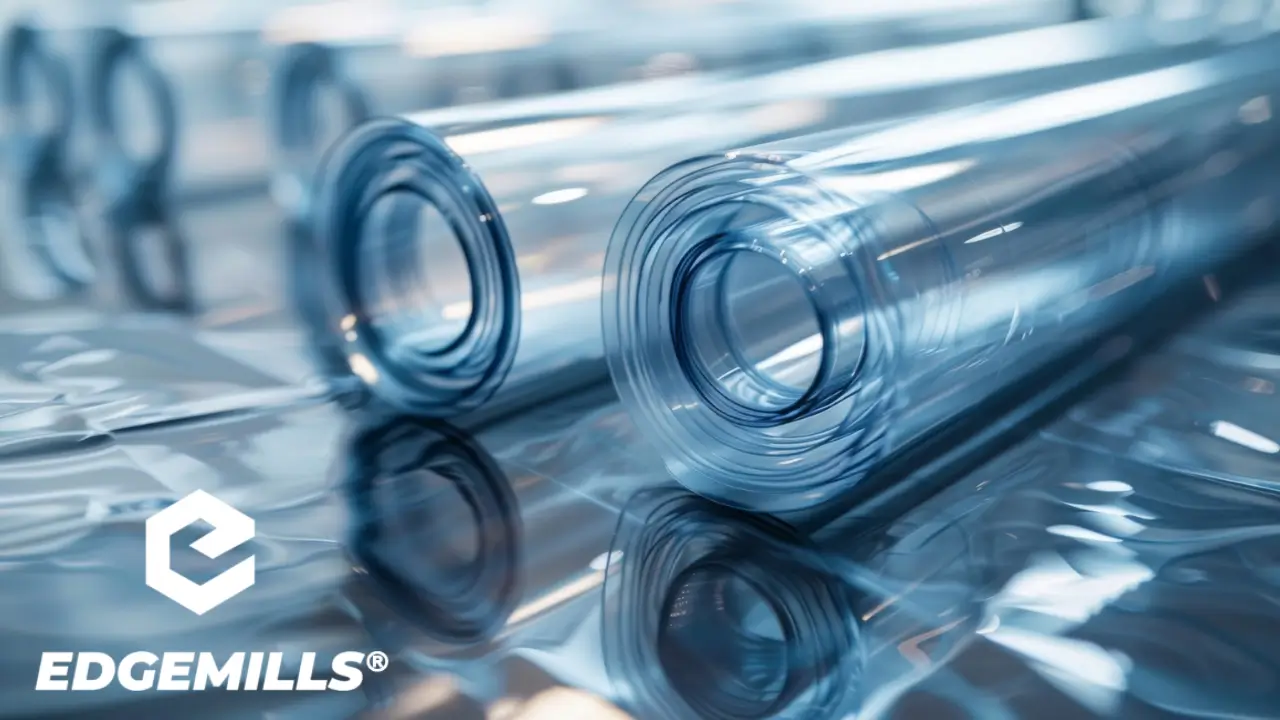
An acrylic sheet is popular for many reasons. It is often sold as Plexiglas or Lucite. It is valued for its clarity, strength, and light weight. It makes an excellent alternative to glass. Yet, many people struggle with how to cut acrylic sheet. They often cause unsightly cracks, chipping, or melting. Getting a clean cut depends on the method you select. It also requires using the correct tool settings.
This guide will show you six safe ways to cut acrylic sheet. We cover scoring, saws, and lasers. You will receive exact blade and bit recommendations. We provide a troubleshooting checklist. Your cut will be flawless every time because Edgemills believes in precision cuts.
How to Cut Acrylic Sheet: Cast vs. Extruded
Before you learn how to cut acrylic sheet, you must know your material. Acrylic comes in two main forms. They behave very differently under heat and stress.
| Feature | Cast Acrylic | Extruded Acrylic |
| Manufacturing | Liquid is poured into molds (like glass). | Plastic is forced through rollers (like dough). |
| Properties | Harder, more brittle (can crack more easily). | Softer, lower melting point (can melt/gum up easily). |
| Finishing | Best for flame polishing. | Edges are softer; polishing is harder. |
| Cutting Method | Excellent for laser and router cutting. | Better for scoring, especially in thin sheets. |
Practical Takeaway: Choose Cast Acrylic for professional work. This includes complex shaping and precise edges. Extruded Acrylic is cheaper and melts more easily. Careful heat management is necessary when using power saw acrylic methods.
Safety & Prep Checklist
Safety and preparation are essential for acrylic cutting. A clean start prevents chipping and melting.
- PPE: Always wear safety glasses and hearing protection. Use a dust mask when sanding. This is important when generating fine plastic dust.
- Work Area: Secure the clamp acrylic sheet firmly to a stable workbench. Use a sacrificial board underneath when cutting with saws. This prevents tear-out on the underside.
- Protection: Leave the protective gear acrylic cutting film on the acrylic during the cut. This prevents scratches. If the film is missing, apply wide painter’s tape. Use masking tape or acrylic along the cut line.
- Ventilation: Ensure good ventilation. This is key when using high-speed tools. These tools generate heat and potential fumes.
Method A: Scoring & Snapping
The score and snap method is the simplest way to cut thin acrylic. It requires minimal acrylic cutting tools. It is the easiest way to cut Perspex for DIY projects.
Step-by-Step Procedure
- Secure: Clamp the sheet firmly to the workbench.
- Score: Use a specialized acrylic sheet cutter or a sharp utility knife. Run it against a straightedge.
- Multiple Passes: Score deeply, taking 8-12 passes. The groove depth should be about 1/8 to 1/4 of the total sheet thickness.
- Snap: Line the scored line up with the edge of your workbench. Apply quick, firm, downward pressure to the overhang. This snaps the sheet cleanly along the score line.
- Finish: Use sandpaper or a file to smooth the resulting edge.
Pros/Cons: It is excellent for thin sheets. This includes material up to 6 mm or 1/4 inch. This method is less practical for thick material.
Troubleshooting: If the break is jagged, the score line was not deep enough. Re-score the entire length and try again.
Method B: Jigsaw / Coping Saw
The jigsaw is the best tool to cut acrylic sheet by hand for curves. It also works for intricate shapes. However, heat is a major factor here.
Blade Recommendations: Use a fine-pitch blade. A blade designed for metal, laminate, or plastic is ideal. It should have 14-20 teeth per inch (TPI). This provides a fine cut. It avoids generating excessive heat.
Cutting Technique:
- Leave the protective film on the sheet.
- Hold the saw firmly against the sheet. This minimizes vibration, or “chatter.”
- Use a slow, steady feed speed. If you smell burning plastic, you are moving too slowly. This causes melting. If the plastic is chipping, you are moving too fast.
Finishing: The jigsaw often leaves a rough edge. Use a file, then progressively finer sandpaper. This prepares the edge for polishing. For acrylic cutting tools that require high precision, you need industrial-grade solutions. These are like those offered by Edgemills.
Method C: Circular/Table Saw
This is the fastest and most efficient way to cut large acrylic glass sheets. It is essential for industrial production and signmakers.
Critical Tool Settings:
- Blade: You must use a circular saw blade for plastic cutting. This means a high-tooth count TCG (Triple Chip Grind) blade. A 10-inch blade should have 80-100 teeth.
- Rake Angle: The blade should ideally have a zero-rake angle. A slightly negative-rake angle also works. This prevents the blade from grabbing. It stops the plastic from cracking.
- Feed Speed: Use a slow, consistent feed. This balances the need to clear material quickly. It avoids melting. It also prevents chipping. Chipping is caused by a fast, aggressive feed.
- Support: Use a sacrificial board to support the material. A zero-clearance insert also works. This prevents chipping on the bottom edge.
Warning: Using a standard wood blade is dangerous. It has an aggressive positive rake. This will cause immediate, severe chipping or cracking. For complex industrial applications, we also specialize in Leather Cutting Machine Blades.
Method D: Router or CNC
A router or CNC machine is the best choice. Use it for pristine edges and complex profiles. This is especially true with thick Cast Acrylic.
Bit Recommendations: Use single-flute or two-flute straight bits. Cut bits, clear chips well. However, they can lift the plastic. Downcut bits hold the plastic firmly down.
Settings: The recommended RPM ranges from $18,000 \text{ RPM}$ to $24,000 \text{ RPM}$. Take light, multiple passes instead of a single deep cut. This manages the heat generated.
When to Prefer: Choose this method when precision and a high-quality edge are key goals. Examples include display manufacturing or signage.
Method E: Band Saw & Method F: Laser / Professional Services
Method E: Band Saw
The band saw is best for curves in thick acrylic. Choose a fine-tooth blade. The pitch should be 10-14 teeth per inch. Maintain a slow, steady feed. Adequate support is necessary to handle the weight of the sheet.
Method F: Laser / Professional Services
Cutting acrylic with a laser is the gold standard. It creates perfect edges and intricate shapes. It uses focused heat to vaporize the material.
- Pros: Perfect, smooth edges; zero chipping; complex shapes possible.
- Cons: Costly; requires specialized equipment.
If you need professional service, search “acrylic laser cut near me.” You can also check local fabrication shops. For example, professional industrial knife manufacturers often use advanced CNC tools for their own products.
Edge Finishing
A perfect edge takes time and effort.
- Sanding Progression: Start sanding with 180-grit sandpaper. This removes deep saw marks. Progress systematically through 320-grit and 400-grit. Finish with 600-grit or higher wet sanding.
- Buffing: Use a clean cotton wheel and a plastic polishing compound. A buffing compound also works. This removes fine scratches and restores clarity.
- Flame Polishing: This technique yields the clearest edge. Crucially, it is only safe for Cast Acrylic. The edge is exposed briefly to a high-temperature flame. This instantly melts the surface layer smooth. Safety note: Do this only in a highly ventilated area.
Troubleshooting Quick Chart
| Issue | Likely Cause | Fix |
| Chipping/Cracking | Wrong blade type, too few teeth, or positive rake. | Use a fine-tooth TCG blade (80-100 T), negative/zero rake. Slow your feed speed. |
| Melting/Gumming | The blade is dull, or the friction is too high. Feed is too slow, or RPM is too low. | Sharpen the blade. Increase the feed speed slightly. This lets the blade clear the chips. |
| Scratches | Removing the protective film too early. | Leave the film and masking tape acrylic on until the cut is done. |
| Warping | Excessive heat concentration. | Take shallower passes, or use air/water cooling. |
Where to Get Help
Local resources are invaluable if you need large sheets or complex cuts. We suggest searching local sign shops. Look at plastics suppliers and maker spaces, too. You can search “acrylic cutting near me” plus your city name to find services. Always ask the cutter about their file requirements. Ask about their cutting tolerances (mm vs. inches). For high-volume, continuous industrial cutting needs, you can always contact Edgemills for custom-engineered solutions. They meet specific hygiene and precision requirements.
Conclusion
Learning how to cut acrylic transforms your building capabilities. Understand the differences between Cast and Extruded. Apply the right tool settings. Manage heat carefully. If you do this, you can achieve clean, professional edges every time.
Need specialized, high-volume industrial blades? Do you require custom tooling for manufacturing processes?
Contact us today for Special Cutting Knives or get a Quote Today for custom solutions.
FAQs
What is the best tool to cut acrylic sheets with?
The absolute best tool to cut acrylic sheet depends on the cut type. For straight cuts on thin material, the score and snap method is ideal. For professional, fast, straight cuts on thick material, a table saw with a high-tooth-count TCG blade is unmatched. For intricate curves and profiles, a CNC router or a professional cutting acrylic with laser service is best.
Can you cut an acrylic sheet with a utility knife?
Yes, you can cut an acrylic sheet by hand with a utility knife. This is true only if the sheet is thin. It is typically ⅛ inch or less. The score and snap method works best with a dedicated scoring tool. However, a sharp utility blade can be used as a substitute. The key is to run the blade along a straight edge many times. This creates a deep groove.
Are acrylic sheets hard to cut?
Acrylic sheets are not inherently hard to cut, but they are unforgiving. Unlike wood, acrylic will crack, chip, or melt instantly. This happens if the wrong blade type is used. It also occurs with a dull blade or an incorrect feed speed. Mastering how to cut acrylic requires patience. It needs specialized tools and correct settings. This is especially true when using a power saw acrylic method.
How do you prevent acrylic from chipping when cutting?
Prevent chipping by always using a blade with a high tooth count (TPI). It should also have a neutral or negative rake angle. The correct circular saw blade for plastic cutting prevents the blade from grabbing and lifting the plastic. Additionally, use a sacrificial wood backing board beneath the sheet. A zero-clearance insert also works. This supports the cut line and reduces tear-out.