
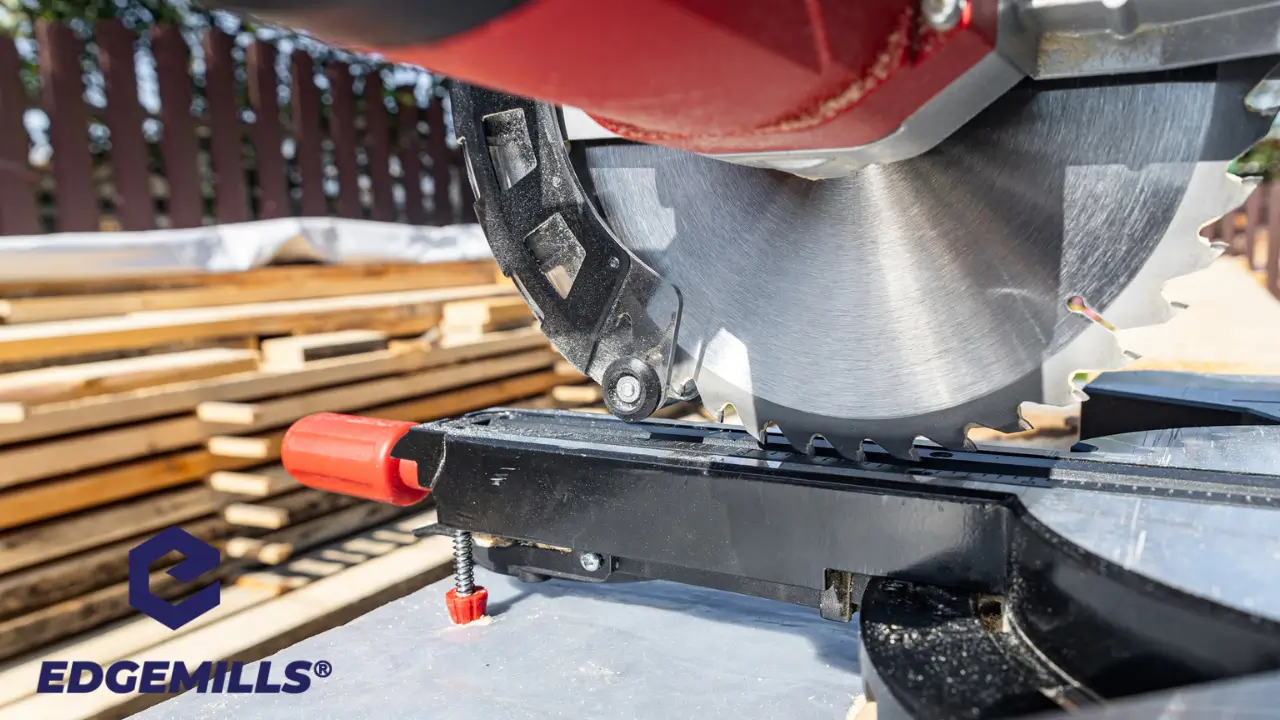
The industrial chipper knife is a very important part of your machine. Many people ask how long these blades will last during a shift. A high-quality chipper knife can stay sharp for many long hours. In 2026, most wood chipper blades can handle a lot of work. However, the lifespan changes based on the wood you are processing today. Standard chipper blades usually last between twenty-five and one hundred hours. Using high-performance chipper knives will save your business a lot of money. You should always check the condition of your blades before starting work. This simple habit will help you maintain a very sharp edge longer.
Understanding the factors that determine the lifespan of a chipper knife today
There are many reasons why a chopper knife might wear out early. You must think about the blade material and the wood type processed. Using a heavy-duty chipper knife is the best choice for large logs. Most industrial wood chipper blades are made from very strong tool steel. This material’s durability is what keeps your machine running for long periods. You should always look for sharpness retention when buying new tools today. A good blade will offer high wear resistance even in tough environments. Proper maintenance tools are also needed to keep the edges very clean. These machinery parts are essential for any professional forestry equipment fleet now.
The baseline lifespans for different blade materials
Not all blades are the same when it comes to long life. A high-carbon steel blade is the most common for light work. These wood shredder blades usually stay sharp for about twenty-five hours. If you need more power, look for bandit chipper blades today. These industrial-grade steel tools can last for nearly one hundred hours now. Many shops prefer hardened steel blades for their better edge retention. A heat-treated steel blade will resist chipping much better than standard steel. You should compare different premium blade materials before making a final choice. This will ensure you get the best Chopper knife lifespan possible.
How wood type affects your blade wear rate
The type of wood you process has a huge impact on life. Processing softwoods like pine will help your chipper blades last longer. However, hardwood like oak will increase the blade wear rate very fast. These dense fibers put a lot of stress on the chipper knife. You must adjust your expectations based on the type of wood processed. This hardwood vs softwood impact is something every operator should know. In 2026, experts suggest checking your blades more often with hardwoods. This practice prevents blade fatigue and keeps your machine working safely today.
Key environmental factors that shorten your blade life
Many things in the environment can ruin your chipper cutting knives fast. Dirty or contaminated wood is the biggest enemy of any sharp edge. Mud and sand act like sandpaper on the industrial chipper knives. This grit will destroy the edge retention in just a few hours. You should always try to clean your logs before chipping them. This simple task will increase your blade life expectancy by a lot. It is the easiest way to avoid reduced cutting efficiency today.
The danger of nails and other hidden debris
The presence of nails or debris can cause instant damage to blades. One small rock can create large chipped or damaged edges quickly. This damage will lead to a very poor cutting quality immediately. You should use a metal detector to find hidden nails in wood. This is a vital part of high-performance cutting for any professional. A damaged chipper knife can also cause the machine to vibrate. This increased vibration will put too much stress on the industrial machinery. You must replace or sharpen the blade as soon as possible. Following these workshop safety practices will protect your team and tools.
How feed rate and machine speed change everything
The machine operating speed determines how fast the blades will wear. Running the machine too fast can cause a lot of heat. This overheating during operation will soften the alloy steel knives quickly. You should also monitor the feed rate’s impact on your machine. Feeding the wood too fast can cause blade fatigue very easily. This practice leads to an excessive machine load during your shift. Always follow the manufacturer’s rules for your specific forestry chipper blades. This will ensure a much better performance over time for you. Proper settings are key to a very long-lasting chipper knife experience.
Professional maintenance routines for extending blade life
A good regular maintenance schedule is the secret to long life. You should always perform a blade inspection routine every single day. Look for any signs of wear or small chips in steel. Cleaning chipper blades is also a very important task for everyone. Sap and resin can build up and cause a lot of friction. This buildup will reduce the cutting efficiency of your machine today. You should use a solvent to keep the metal surface clean. This preventive maintenance will help you achieve a very smooth wood chipping. It is the best way to maintain a consistent chip size now.
Sharpening and regrinding your chipper blades
Chipper blade sharpening is required once the edge becomes very dull. Most operators choose to regrind chipper knives every twenty hours of work. You must maintain the correct sharpening angle for the best results. A professional blade restoration process will make the blade like new. You can also try DIY sharpening methods for very small tools. However, a professional sharpening service is much better for large blades. This will ensure that you maintain the sharp cutting edges correctly. It is a very smart way to manage your maintenance cost savings. Check out our guide on blade maintenance for more help.
Proper blade alignment and rotation practices
You must ensure that you have proper blade alignment at all times. If the blade is not straight, it will wear unevenly. This leads to rough or uneven chips and wasted wood material. You should also follow standard blade rotation practices in your shop. This means moving the blades to different positions to balance wear. Using lubrication and care will also protect the mounting bolts today. This simple habit prevents the blades from loosening during heavy work. It is an essential part of optimized machine performance for you. Proper care will lead to a much longer, chipper knife life.
The ROI of choosing quality over low prices
Every business owner should consider the return on investment (ROI) today. Buying a cheap chipper knife might seem like a good idea. However, these blades often have a very poor cutting-edge durability. You will end up spending more on wood chipper blade replacement. A high-quality chipper knife will last much longer on the job. This choice leads to a much lower blade maintenance cost overall. You will see a significant maintenance cost savings in your budget. Long-lasting tools are the secret to any successful wood business now.
Reducing operational downtime for more profit
Dull blades will always lead to reduced productivity in your shop. You will face reduced downtime if you ignore your blades. A sharp chipper knife allows for very efficient wood processing. This means you can finish your customer orders much faster today. Optimized machine performance is the goal of every professional operator now. You should also consider the productivity loss from dull blades seriously. Every hour your machine is stopped costs your business a lot. Using industrial blades that stay sharp will help you earn more. It is a very simple and logical way to grow.
Comparing replacement vs. maintenance costs
The replacement vs maintenance cost is a very important calculation today. It is much cheaper to sharpen a blade than buy a new. You can often regrind a chipper knife five times before replacement. This strategy improves your long-term cost efficiency by a large margin. Most companies find that maintenance is the best path to success. You should track your Cost of chipper blades every single year. This will help you find the most cost-effective blade management plan. A proactive approach will always give you a better profit margin. It is the mark of a very professional and smart business.
Sustainability: The green future of wood processing
In 2026, many businesses care about the environment and the planet. Extending blade lifespan is a great way to be more green. It reduces the amount of steel waste your shop produces. Choosing wear-resistant materials is a very sustainable choice for everyone. You should also consider recycling your old chipper knives for metal. This practice helps to create a better and cleaner world. Being eco-friendly can also help you attract more modern customers. It is a great way to improve your professional brand today. Sustainable habits are the future of all global industrial work.
Energy efficiency and sharp cutting tools
A sharp, chipper knife uses much less energy during every shift. Your machine will not have to work as hard today. This leads to a lower fuel bill for your business now. Efficient wood processing is a key part of any green strategy. You will also see less wear on your industrial machinery parts. This is a very smart way to manage your resources. Most experts agree that sharp tools are better for nature. You should always prioritize high-performance cutting to save power today. It is a simple step that has a big impact.
Industrial chipper knife lifespan estimate table
Use this table to estimate how long your tools will last. This will help you plan your next blade replacement easily.
| Wood Condition | Steel Blade Life | Carbide Blade Life | Maintenance Level |
| Clean Softwood | 80 – 100 Hours | 1000+ Hours | Weekly |
| Mixed Hardwood | 40 – 60 Hours | 500+ Hours | Daily |
| Dirty / Dry Wood | 10 – 20 Hours | 200+ Hours | Every Shift |
| Frozen Wood | 20 – 30 Hours | 300+ Hours | Twice Per Shift |
Conclusion
The chipper knife is the heart of your wood processing machine. You must take care of it to get the best work. Choosing premium blade materials will save you a lot of time. Regular preventive maintenance is the secret to a long life today. You will see improved productivity and much lower fuel costs now. Don’t wait for your machine to struggle before you take action. A sharp blade is a safe and very efficient tool. Invest in the Edgemills best industrial blades for your company and success.
FAQs
How often should chipper knives be sharpened?
Chipper knives should be sharpened every ten to thirty hours of use. This frequency depends on the wood and the operating environment today. If you see rough or uneven chips, it is time. Maintaining sharp cutting edges will protect your machine from extra strain. Regular sharpening is a very smart part of any maintenance routine. It will help you achieve professional cutting results for your clients.
What factors reduce blade lifespan the most?
The biggest factor is dirty or contaminated wood, like mud or sand. These materials act like an abrasive and dull the edge fast. The presence of nails or debris can also cause instant damage. Hardwoods will increase the blade wear rate compared to softwoods today. You should also monitor your machine’s operating speed for heat. Heat will soften the metal and ruin the blade’s life expectancy. Proper care will help you avoid these common problems now.
Can you extend the life of chipper knives?
Yes, you can extend the life by following a maintenance plan. You should perform a regular blade inspection routine for any damage. Cleaning chipper blades to remove sticky resin is also very important. Use a diamond hone for quick touch-ups on the cutting edge. This simple task will maintain sharpness without removing much metal today. Proper blade rotation practices will also help balance the wear across. These habits will lead to a very long-lasting, chipper knife experience.
What are chipper knives used for?
Chipper knives are used to turn logs into uniform wood chips. They are essential parts of modern forestry equipment and biomass plants. These shredding blades slice through thick fibers at very high speeds. They help in efficient wood processing for mulch or fuel production. A high-quality chipper knife is required for any industrial wood task. They allow for consistent chip size and high machine productivity today. Most shops rely on these tools for their daily work.