
In the high-stakes world of industrial manufacturing and commercial printing, precision is the difference between a profitable run and a mountain of waste. If you’ve ever wondered, “What is a paper cutter used for?”, the answer depends entirely on the scale of your operation. While a simple office trimmer might handle a few documents, an industrial paper cutter is a sophisticated piece of machinery designed to process tons of material with microscopic accuracy. In 2026, the global paper and packaging industry is valued at over $450 billion, driven by the explosion of sustainable packaging and e-commerce. At the heart of this industry is the paper cutter, a tool that has evolved from a simple lever to an AI-driven, hydraulic powerhouse.
Whether you are a print shop manager, a packaging engineer, or a facilities supervisor, understanding the specific applications and maintenance of these tools is critical to your ROI. The versatility of a paper-cutter extends into nearly every sector of manufacturing. From the “bleed” trimming of high-end photography to the slitting of industrial-sized kraft paper rolls for sustainable packaging, these machines are indispensable.
What is a Paper Cutter Used For in Industrial Environments?
In a professional setting, a paper cutter is used for much more than just separating sheets; it is a precision instrument designed for squaring, trimming, and converting materials at scale. Modern industrial models utilize hydraulic pressure, infrared safety curtains, and AI-driven sensors to ensure that every cut is identical, even when slicing through 150mm stacks of heavy cardstock.
The first step in understanding the utility of a paper-cutter is recognizing its role in the “post-press” phase of production. After a design is printed onto a large sheet, it must be cut down to its final size. This process, often called “finishing,” relies on a straight paper-cutter to ensure that the edges are perfectly 90 degrees and that the dimensions are exact to within a tenth of a millimeter. At Edgemills, we provide the high-performance Paper Cutting Blades that power these machines, ensuring that the tolerances required by global brands are met with every stroke.
The Mechanics of Precision Trimming
An industrial paper cutter machine operates on the principle of a “shear cut.” Unlike scissors, which use two blades meeting in the middle, a guillotine-style paper slicer machine uses a single, heavy blade that descends at an angle. This angled descent reduces the amount of force needed to penetrate a thick stack of paper, preventing the “draw” or “mushrooming” effect where the top sheets are slightly shorter than the bottom ones.
For high-volume production, a commercial paper cutter machine will often include a “back gauge, a movable metal wall that pushes the paper forward to a precise measurement. In 2026, these gauges are controlled by sophisticated software that can store thousands of “cut programs,” allowing an operator to switch from cutting business cards to trimming a book block with the touch of a button.
Types of Paper Cutters for Sale: From Desktop to Industrial
When searching for paper-cutters for sale, it is easy to be overwhelmed by the variety. The right choice depends on your volume, material thickness, and the level of precision required for your specific application.
1. Guillotine Paper Slicers
The guillotine paper slicer is the workhorse of the print industry. These machines feature a long, heavy blade attached to a lever or a hydraulic piston. A paper cutting guillotine is designed to cut through “lifts” of paper, reams containing 500 sheets or more, in a single motion. Because of their sheer power, they are essential for bookbinding and large-scale marketing collateral.
2. Rotary Paper Trimmers
A paper trimmer that uses a rotary blade is ideal for detailed work. These devices feature a circular blade that slides along a rail. They are perfect for photo paper cutting or trimming delicate materials that might shift under the pressure of a heavy guillotine blade. In a professional studio, a paper-cutter trimmer of this style ensures that there is no “burr” on the edge of the photograph.
3. Slitting and Converting Machines
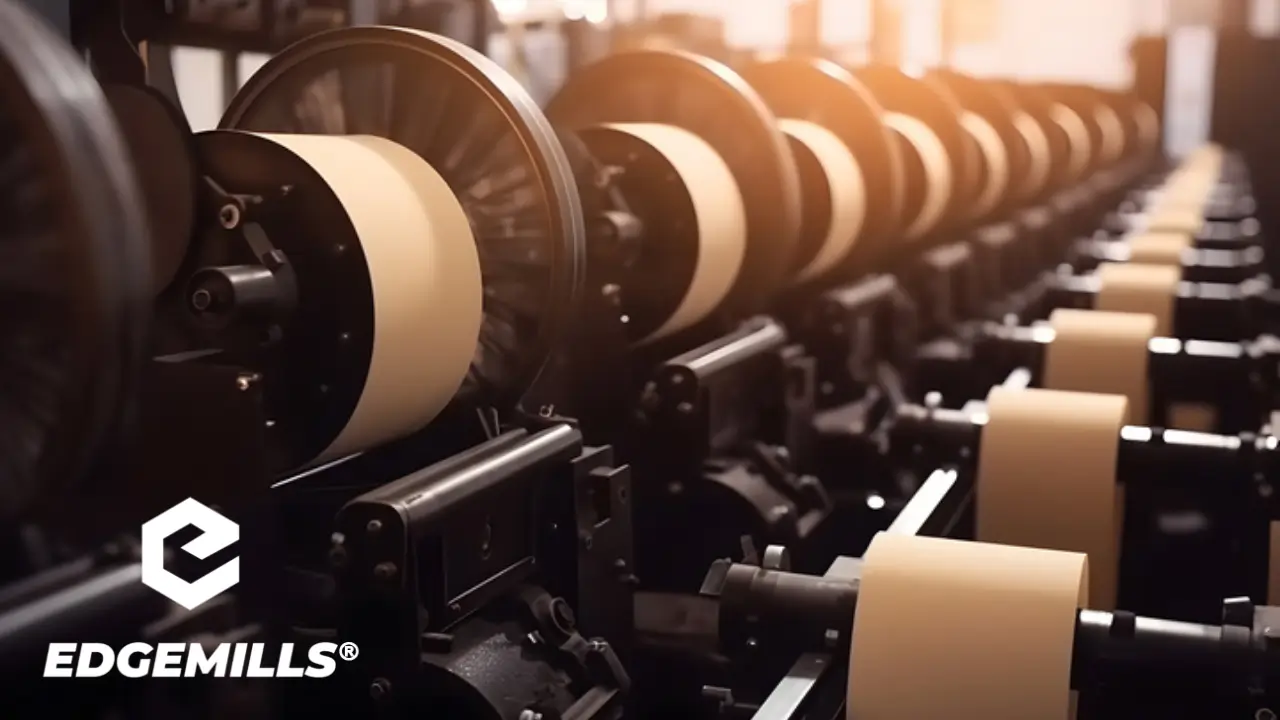
In the world of packaging, an industrial paper cutter often takes the form of a slitter. These machines process jumbo rolls of paper, slicing them into narrower ribbons. This is how the paper for your morning coffee cup or the cardboard for your shipping boxes is initially sized. These machines require exceptionally durable blades that can handle 24/7 operation without losing their edge.
4. Manual vs. Electric Paper Cutters
For a small office paper cutter, manual operation is often sufficient. However, for any business processing more than a few hundred sheets a day, an electric paper-cutter or a paper slicer machine with hydraulic power is a necessity. These machines reduce operator fatigue and significantly increase the speed of production.
The Importance of High-Quality Blade Assemblies
The “business end” of any paper-cutter is its blade assembly. In 2026, the metallurgy of these blades has reached new heights. Choosing the right material for your Paper Cutting Blades is not just about sharpness; it’s about the longevity of the tool and the quality of the finished product.
HSS vs. D2 vs. Tungsten Carbide
- High-Speed Steel (HSS): This is the standard for most commercial paper cutters. It offers a good balance between cost and performance, staying sharp through several thousand cycles.
- D2 Tool Steel: For shops cutting more abrasive materials like recycled kraft paper or thick cardstock, D2 steel is the preferred choice. It has a higher chromium content, which provides superior wear resistance.
- Tungsten Carbide: If you are running a high-speed packaging line, Tungsten Carbide is the gold standard. While more expensive, these blades can last up to 10 times longer than steel, drastically reducing downtime for blade changes.
At Edgemills, our expertise isn’t limited to paper. We also manufacture Metal cutting blades and metal shear blades for heavy industry. This deep understanding of metallurgy allows us to create paper blades that maintain their “molecular edge” even under the intense pressure of a hydraulic industrial paper-cutter machine.
Understanding OSHA 1910.212
Safety is the most critical aspect of operating any industrial paper-cutter. These machines are designed to slice through hundreds of sheets of paper with ease, which means they can just as easily cause severe injury to an inattentive operator. In the United States, OSHA standard 1910.212 specifically addresses the guarding of “guillotine cutters.”
Modern Safety Features in 2026
Modern paper cutters come equipped with a variety of “engineered controls” to prevent accidents:
- Two-Hand Operation: The operator must press two separate buttons, located far apart, simultaneously to trigger the blade. This ensures that both hands are safely away from the cutting zone.
- Infrared Light Curtains: These are invisible beams of light that form a “curtain” in front of the blade. If any part of the operator’s body breaks the beam, the machine’s brakes lock instantly, stopping the blade in milliseconds.
- Blade Guards: A physical blade guard or shield prevents accidental contact with the sharp edge during loading and unloading.
Practicing safe paper cutting practices is about more than just equipment; it’s about culture. Every operator should be trained on how to properly handle the machine and what to look for during a paper-cutter maintenance check.
Maintenance
A paper cutter that is poorly maintained is a liability. Over time, the blade will lose its edge, causing it to “hammer” through the paper rather than slice it. This leads to ragged edges, inaccurate cuts, and increased strain on the machine’s motor.
The Maintenance Checklist
- Blade Sharpening: Don’t wait for the paper to start tearing. Set a schedule for replacing cutter blades or sending them out for professional sharpening.
- Lubrication: High-pressure hydraulic systems and moving back gauges require regular lubrication to prevent friction-related wear.
- Cutting Stick Rotation: The “cutting stick” is the plastic strip the blade lands on. It should be rotated or flipped regularly to ensure a clean surface for the bottom sheet of the stack.
- Calibration: Periodically check the accuracy of the back gauge using a precision ruler. Even a 0.5mm deviation can ruin a print job.
If your facility processes more than just paper, you might also be looking for Plastic Cutting Blades, Wood Cutting Blades, or even specialized Food Cutting Blades. Maintaining a sharp edge across all your cutting equipment is the simplest way to reduce waste and improve your bottom line.
How to Choose the Best Paper Cutters for Your Business
When looking at paper cutters for sale, you need to consider the “Three Cs”: Capacity, Control, and Cost.
- Capacity: What is the largest sheet size you will ever need to cut? If you primarily work with 12×18 inch sheets, an industrial paper trimmer with a 20-inch width is ideal. If you are a large-format printer, you may need a machine with a 45-inch or even 60-inch width.
- Control: Do you need a programmable interface? For businesses that do repetitive cuts (like 100,000 business cards a week), a programmable industrial paper cutter will pay for itself in labor savings within months.
- Cost: Look beyond the initial purchase price. Factor in the cost of replacement blades, energy consumption, and the expected lifespan of the machine. A cheaper paper slicer machine might cost you more in the long run if it requires frequent repairs or produces high levels of waste.
The Future of Paper Cutting Technology
As we move deeper into 2026, the technology behind the paper cutter continues to advance. We are seeing the integration of “Smart Blades”, blades embedded with sensors that can detect when they are becoming dull or when they have hit a foreign object in the paper stack. This real-time data allows for “predictive maintenance,” where the machine tells the operator it’s time for a blade change before the quality of the cut degrades.
Furthermore, the shift toward sustainable and recycled materials has presented new challenges. Recycled paper often contains higher levels of minerals and “filler” materials that can be more abrasive to a standard steel blade. This has led to an increased demand for specialized coatings, such as Diamond-Like Carbon (DLC) or Chrome-Nitride, which provide an ultra-hard surface on a flexible steel core.
At Edgemills, we stay at the forefront of these technological shifts. Whether you are looking for a standard straight paper cutter blade or a custom-engineered solution for a proprietary packaging material, our team is ready to help.
Final Word on Industrial Versatility
In 2026, a production facility is rarely limited to just one material. While paper cutters are essential, many of our clients also maintain lines for fabric, wood, and metal. By partnering with a company like Edgemills, you gain access to a one-stop shop for all your industrial cutting needs. From Food Cutting Blades for your employee cafeteria to Wood Cutting Blades for your shipping pallets and Plastic Cutting Blades for your cleanroom packaging, we ensure that every edge in your facility is as sharp as the day it was forged.
Conclusion
Understanding what a paper cutter is used for is the first step in optimizing your finishing department. From the smallest office cutters to the massive industrial paper cutters used in paper mills, these tools are the silent partners in our modern world of information and commerce. They ensure our books are straight, our packages are secure, and our marketing materials look professional.
If your business is ready to take the next step in production efficiency, don’t overlook the importance of your cutting-edge technology. A high-quality industrial paper cutter machine paired with the right blade is one of the best investments you can make for your company’s future.
Get a Quote Today to discover how our precision-engineered blades can revolutionize your cutting process. Whether you need a replacement blade for a guillotine paper slicer or a custom solution for your manufacturing line, Edgemills is your partner in precision.
FAQs
What is a paper cutter called?
A paper cutter is most commonly called a guillotine, particularly when referring to the heavy-duty lever or hydraulic machines used in professional and industrial settings. In smaller environments like schools or home offices, they are often referred to as paper trimmers, paper slicers, or paper cutter boards. Regardless of the name, the device’s primary function is to provide straight, precise cuts across one or more sheets of paper using a sharp blade assembly.
Where can I use a guillotine paper cutter?
You can use a guillotine paper cutter in any environment that requires high-volume sheet processing, such as commercial print shops, school administrative offices, and professional binderies. These machines are specifically designed to handle large “lifts” of paper, making them ideal for squaring book blocks, trimming “bleed” edges from marketing materials, or cutting heavy cardstock into smaller formats. Because of their power and precision, they are also frequently found in the packaging industry for preparing specialized labels and inserts.
How to choose a paper cutter?
To choose a paper cutter, you must evaluate three main factors: production volume, material thickness, and safety requirements. If you are only trimming single sheets of photo paper, a rotary trimmer is sufficient; however, for stacks of 50 sheets or more, an industrial paper-cutter machine with a hydraulic or electric drive is necessary. Always look for machines that offer OSHA-compliant safety features like two-hand operation and infrared light curtains to protect your operators during high-speed production.
Where to buy the best paper cutter for industrial uses?
The best place to buy an industrial paper-cutter for commercial use is through specialized machinery dealers like Heidelberg, Polar-Mohr, or Edgemills for high-performance replacement blades. While general office supply stores sell small trimmers, industrial-grade equipment requires expert installation and ongoing maintenance from vendors who understand the metallurgy of the blades and the mechanics of hydraulic pressure. Selecting a supplier with a proven track record in B2B applications ensures you get a machine that provides a long-term ROI and consistent cut quality.