
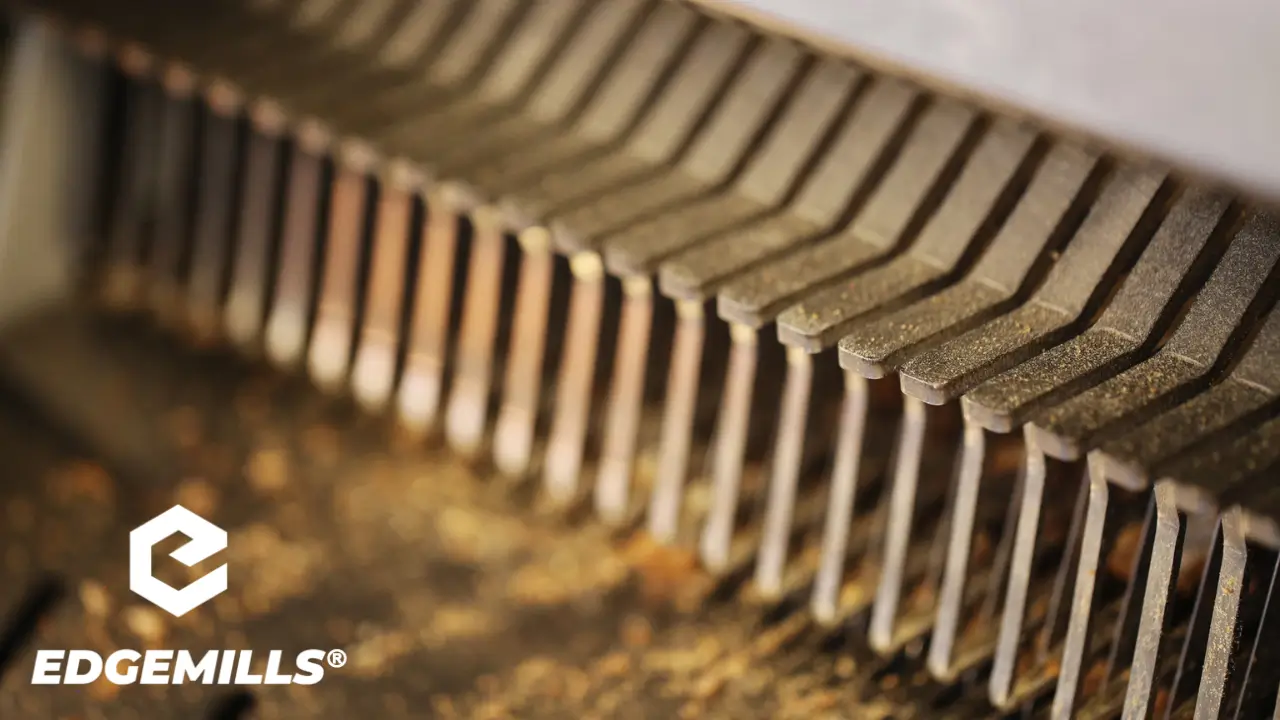
Industrial shredder blades are the core cutting components in modern recycling machines. These robust tools work by reducing large waste into smaller pieces. Many industries rely on shredder blades to manage their daily production waste. They play a vital role in processing plastics, metals, and organic materials. High-quality blades ensure your facility runs smoothly and stays very efficient. Modern designs in 2026 offer better durability than older steel options. Finding the right blade helps you save money on machine maintenance. This guide will help you understand how these essential tools function. We will explore the materials and designs that make them work well.
Selecting the best shredder blades is a critical decision for your business. These components handle immense pressure during the high-speed cutting process today. Properly maintained blades can extend the total life of your equipment significantly. New technology allows for better edge retention in very abrasive environments. You can improve your recycling output by choosing the correct blade geometry. Whether you process tires or paper, the right tool makes a difference. Let us dive into the technical details of these powerful industrial tools.
Understanding the Function of Shredder Blades in Waste Management
Modern shredder blades are designed to process massive volumes of difficult feedstock. They act as the primary mechanical cutting solution for industrial recycling. The function of shredder blades is to shear and crush tough materials. This process prepares waste for further sorting or final product manufacturing. High-torque motors drive these blades to overcome the resistance of heavy scrap. This creates a powerful material reduction process that saves a lot of space.
The shredder blade design must match the material being processed today. Some blades use a sharp edge to slice through soft materials easily. Others use a blunt, hooked shape to tear through thick metal parts. The interaction between the rotor and stator blades creates the cutting action. This cutting mechanism in shredders is essential for high-volume waste processing. Keeping your blades in top condition ensures a very consistent output size. Let us look closer at the anatomy of these impressive cutting tools.
The Anatomy of a High-Quality Shredder Blade Design
Every shredder blade has several key features that determine its performance. The cutting edges are the most important part of any blade. These edges must stay sharp to maintain a high level of efficiency. Industrial shredder blades often feature hooks or claws to grab material. These shapes pull waste into the center of the rotating shaft. This prevents the material from slipping or clogging the machine’s intake.
A well-designed blade also considers the torque and cutting force required. The thickness of the blade determines how much pressure it can handle. Hardened steel cutting tools are necessary for processing heavy metal scrap. Modern shredder cutter blades use specialized coatings to reduce friction during use. This helps prevent overheating in shredders during long production runs today. Understanding these parts helps you choose the best industrial blades for your needs.
Different Types of Shredder Blades for Specific Tasks
There are many shredder blade types available for industrial and commercial use. Each type is built to handle a specific kind of waste stream. Choosing the right one improves your cutting efficiency and reduces machine downtime.
Single Shaft Shredder Blades
Single-shaft shredder blades are usually small and square in shape. They are mounted on a single rotor that spins at high speeds. These blades work against a stationary bed knife to slice material. They are excellent for creating a very uniform and small particle size. Many plastic recycling plants use these for their daily production needs.
Dual Shaft Shredder Knives
Dual shaft shredder knives feature interlocking discs on two separate shafts. These shredder knives rotate at lower speeds with extremely high torque. They are designed to tear and crush bulky items like tires. The hooked design allows them to grab large objects very effectively. This is the standard for heavy-duty industrial recycling systems today.
Four-Shaft Shredder Blades
Four-shaft shredder blades provide the most intensive material reduction possible now. They use two sets of shafts to process waste multiple times. This ensures that the particle size control is extremely precise for recycling. These machines are often used for sensitive document destruction and e-waste. They offer a very high level of security for data processing.
Materials: From Alloy Steel to Carbide Shredder Blades
The material of a blade dictates its wear and tear resistance. Most shredder blades are made from high-strength metal alloys today. Alloy steel shredder blades provide a great balance of cost and performance. They are tough enough to handle most general waste processing tasks. However, some materials require even harder tools for long-term success.
Carbide shredder blades are the premium choice for very abrasive materials. These wear-resistant materials can last five times longer than standard steel. They are ideal for processing glass-filled plastics or steel-belted tires. While they cost more, the blade wear and replacement costs are lower. Using high-carbon steel blades is another popular option for professionals. These blades undergo a specialized heat-treated blade process for extra strength.
| Material Type | Blade Hardness (HRC) | Best Application |
| Alloy Steel | 52 – 56 HRC | General Waste / Paper |
| Tool Steel (D2) | 58 – 60 HRC | Plastics / Thin Metal |
| Tungsten Carbide | 70+ HRC | Abrasive Recycling / Tires |
How Shredder Blades Work in Industrial Recycling Systems
The industrial shredding process relies on mechanical force and geometry together. Rotary shredder blades spin at high speeds to impact the material. As the material enters, the hook blades snag and pull it. The material is then pressed against a stationary crusher blade’s surface. This creates a shearing force that rips the material into pieces. The size of the pieces depends on the blade spacing used.
Proper blade alignment problems can ruin the efficiency of your machine. If the blades do not interlock correctly, the material will jam. Industrial shredder blades must be torqued to specific factory settings for safety. This prevents the blades from shifting during a high-pressure cutting cycle. Consistent maintenance ensures that your recycling equipment stays in peak condition. Let us explore the industries that rely most on these tools.
Applications Across Different Industries
Shredder blades are used in almost every sector of waste management. From paper shredding to metal recycling, these tools are everywhere today.
- Plastic Shredding Blades: These slice through bottles and containers for cleaning.
- Metal Shredding Knives: These crush old car parts and heavy metal appliances.
- Wood Shredder Blades: These turn tree limbs and pallets into mulch quickly.
- Tire Shredder Blades: These handle the thick rubber and steel wires in tires.
- Document Destruction: These cross-cut blades ensure that private data is destroyed.
Using specialized shear blades helps industries meet their specific recycling goals. Each application requires a different blade hardness HRC to be effective. For example, wood blades need more flexibility than metal-cutting blades. Choosing the right tool prevents dull shredder blades issues in your facility.
The Importance of Maintenance and Blade Sharpening
You must maintain your shredder blades to avoid expensive machine failures. Over time, every blade will lose its original sharp cutting edge. Dull shredder blades issues include increased energy use and poor output. You should inspect your blades for any signs of damage weekly. Small chips can be repaired before they become a major problem.
Shredder blade sharpening is a cost-effective way to extend tool life. You can regrind many steel blades to restore their factory edge. However, you must use a professional service for the best results. Proper blade wear and replacement schedules keep your production line moving. Cleaning the blades after each shift prevents the buildup of residue. This simple step can stop overheating in shredders from happening during work.
Improving ROI with High-Performance Cutting Tools
Investing in better shredder blades leads to a higher return on investment. While premium blades cost more, they reduce your total labor costs. You will spend less time replacing tools and more time processing. High-speed blades allow your machines to work much faster every day. This increases your facility’s daily revenue and total waste processing capacity.
New shredder blade design options focus on reducing energy consumption today. These blades slice through material with less resistance and lower heat. This protects your machine’s motor and bearings from excessive wear and tear. Smart managers choose ceramic blades for very specific non-magnetic recycling tasks. Every small improvement in your cutting-edge technology adds up to profit. Let us look at some common questions about these tools.
The Future of Shredder Blade Technology in 2026
The technology behind shredder blades is changing very rapidly this year. We are seeing more use of smart sensors in modern rotors. These sensors can detect when a blade is becoming too dull. This allows for predictive maintenance before a machine actually stops working. New wear-resistant materials are also being developed in modern labs today. These materials offer the hardness of carbide with the toughness of steel.
The shift toward waste management equipment that is energy-efficient is huge. Manufacturers are focusing on creating blades that require less total machine power. This helps companies meet their environmental goals while maintaining high production speeds. Shredder blade design is becoming much more specialized for specific recycling niches. The future of the industrial shredding process looks very bright and efficient. Staying updated on these trends helps your business stay very competitive.
Industrial Performance Checklist
| Task | Frequency | Benefit |
| Visual Inspection | Every Shift | Catches chips and cracks early |
| Gap Adjustment | Weekly | Prevents jams and overheating |
| Bolt Torque Check | Monthly | Ensures safety and alignment |
| Edge Sharpening | As Needed | Restores cutting efficiency |
| Cleaning | Daily | Reduces friction and heat |
Conclusion
Understanding shredder blades is essential for any successful recycling operation today. These tools are the foundation of efficient waste processing and management. By selecting the right material and design, you protect your investment. Whether you need paper shredder blades or metal cutters, quality matters. High-performance tools reduce your costs and improve your final product quality. Keep your blades sharp and your machines well-maintained for success.
At EdgeMills, we provide the highest quality cutting solutions for your industry. We know that every cut counts toward your facility’s bottom line. Our shredder blades are built to handle the toughest industrial challenges today. We help you find the perfect match for your specific waste stream. Reach out to our team of experts for all your cutting needs. Let us help you optimize your recycling process with the best tools.
Are you ready to improve your shredding efficiency with better blades? Contact us today to explore our full range of industrial cutting tools. We are here to support your growth with precision and expertise.
FAQs
How do shredder blades cut different materials?
Shredder blades cut materials using a combination of shearing, tearing, and crushing forces. The specific shredder blade design determines which force is the most dominant. For soft materials, sharp edges slice through the waste with very little resistance. For hard materials, hooked blades grab and tear the waste using high torque. The machine’s power ensures that even the toughest items are reduced quickly.
What are the different types of shredder blades?
There are three main types of blades used in industrial recycling machines. Single-shaft blades are small squares that slice material against a fixed bed knife. Dual-shaft blades are hooked discs that interlock to tear bulky waste items. Four-shaft blades use multiple shafts to provide the finest particle size control possible. Each type is built for a different level of material reduction intensity.
How long do shredder blades typically last?
The lifespan of shredder blades depends on the material being processed daily. In a paper shredder, blades can last for several years with care. In a tire shredder, blades might need sharpening every few months now. Carbide shredder blades last much longer than standard steel in abrasive environments. Regular maintenance and cleaning are the best ways to extend their life.
How do you maintain shredder blades for long-term use?
You should inspect your shredder blades for chips or wear every week. Keeping the blades clean prevents the buildup of heat-trapping residues during use. You must also check the blade gap to ensure perfect alignment always. Sharpening the edges regularly restores the cutting efficiency of your recycling machine. Following these steps prevents major breakdowns and expensive replacement costs for you.