
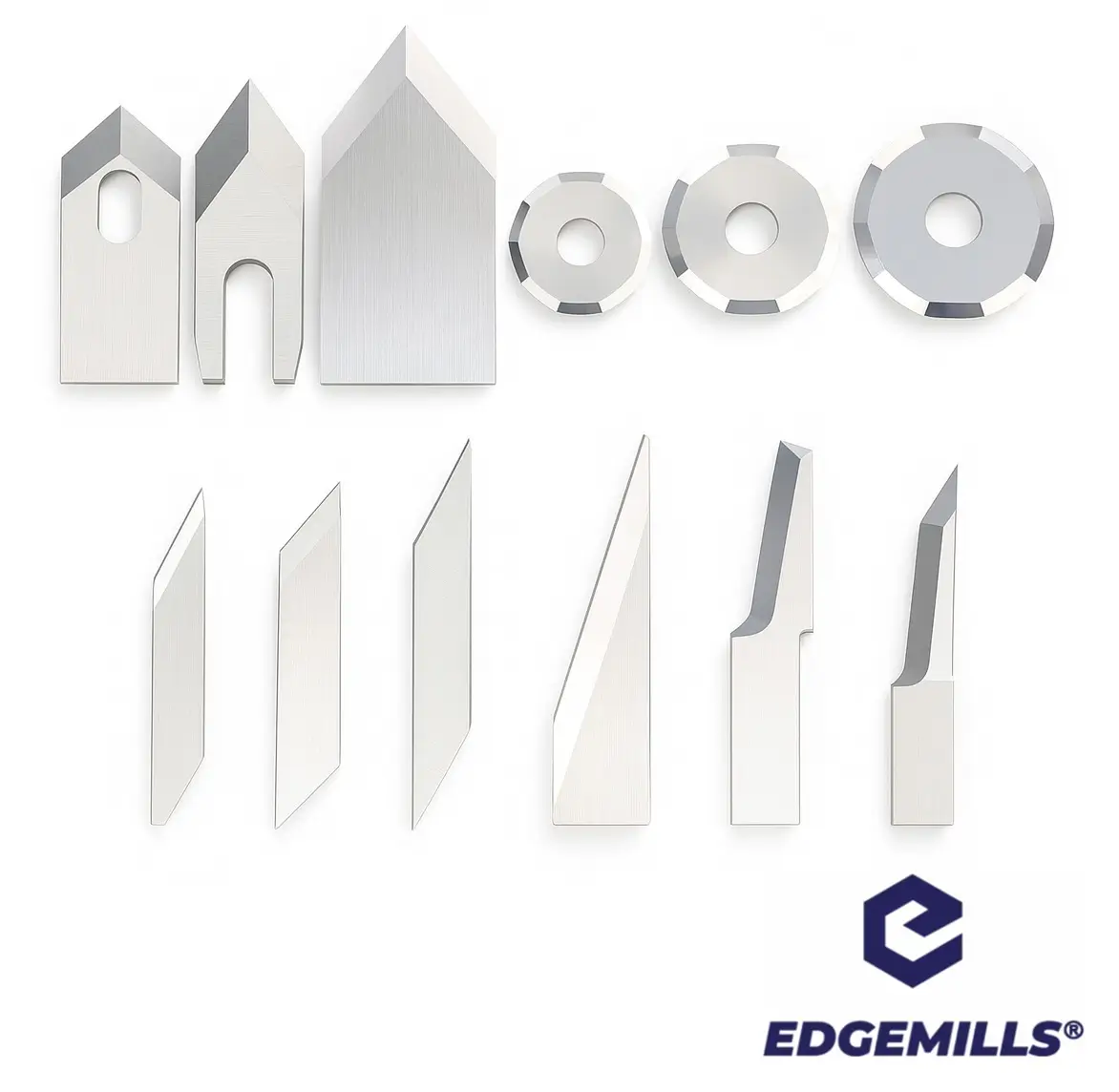
Metal fabrication needs high precision and high efficiency to work well. Cutting metal accurately is the most important step. This cut decides the final quality and total cost. Tough jobs need very specialized cutting solutions. These go beyond common band and circular saw blades.
A specialized world of unique blades exists for these tasks. These precision blades are built for tough cutting jobs. They handle hard alloys and high-volume production easily. They manage abrasive places like recycling facilities, too. Using the correct industrial cutting blade can greatly reduce machine downtime. It also minimizes material waste and improves product quality.
This guide will tour the world of unique blades. We cover the main types and advanced blade materials they use. You will learn a simple framework for selecting the best blade. We also share key tips for ensuring the tool’s long-term performance and longevity.
How Industrial Blades Are Different
A cheap, common blade differs from an industrial precision blade. The difference is a mix of advanced design features.
- Blade Material and Treatment: Standard blades use basic steel. Unique industrial blades often feature tungsten carbide tips. Solid carbide gives better hardness and wear resistance. Specialized tool steels like D2 are engineered for extreme toughness. Heat treatment balances hardness with resistance to chipping.
- Custom Geometry and Configuration: The edge is not just straight or circular anymore. Custom blades have specialized profiles like wavy or serrated edges. Edge grinds reduce friction and minimize burrs effectively. This shape optimizes the cut for the target material needed.
- Application-Specific Design: Unique blades are built for one specific purpose. A blade used for scrap metal focuses only on impact resistance. A slitter knife needs precise edge retention. This helps it divide stainless steel coils accurately every time.
- Precision Manufacturing Tolerances: Industrial machine knives are made with very little margin for error. This high precision is critical for industrial machinery. Small errors cause vibration and complete failure at high speeds. As experts at Edgemills, we know consistent quality demands precision.
Types of Unique Blades Used in Metal Fabrication
The range of industrial knife blades used in metal fabrication is very large. It goes from long, straight knives to complex rotary shears.
Straight and Shear Blades
These knives are the biggest cutters of plate and sheet metal. Shear blades are long, straight, custom industrial blades. They cut metal plates and coils in guillotine shears.
- Materials: Hardened tool steel, like D2, is common for durability. It resists high impact under heavy loads easily.
- Use Cases: They cut mild and stainless steel plates and structural bars. They prepare sheet material for stamping processes quickly.
- Advantages: They provide clean, straight cuts without burrs. They maintain a long blade life under high stress.
- Unique Use: Flying Shear Blades cut material that is moving continuously. They are used in rolling mills for high-speed processing. This differs from the heavy-duty action of metal cutting blades used for general scrap.
Slitter and Coil Slitting Discs
These rotary industrial knives are vital in the converting industry. They process large metal coils into precise, narrower strips.
- Description: They are circular disc-shaped cutting tools. They work as matched pairs on a slitting machine.
- Materials: Slitter blades feature carbide-tipped or HSS edges. Specialized coatings help create abrasion-resistant blades.
- Applications: They are used for slitting aluminum, copper, and stainless steel. They create precise strips for stamping or roll-forming.
- Unique Use: Slitter knives are a great example of custom blade manufacturing. Tolerances must be held to tiny sizes for a perfect edge.
Circular Carbide Cold-Cut Blades
Standard circular saw blades are common for wood cutting. However, the industrial blades used on cold saws are highly specialized tools.
- Description: These discs feature tungsten carbide teeth. They are designed for cutting solid metal bars and tubes. They cut without generating too much heat.
- Material & Treatment: Carbide tips offer excellent resistance to heat and wear. Blades are often coated to reduce friction further. This allows for faster, cooler cutting speeds in the metal.
- Use Cases: They cut thick structural steel and pipes. They are used for hard steel and non-ferrous bars.
- Advantages: They provide a cleaner, cooler cut than abrasive discs. This reduces finishing work and extends tool life greatly. They are necessary for high-performance and longevity in heavy structural work.
Trimming, Deburring, and Finishing Knives
These industrial knives and blades manufacturers sometimes forget about trimming knives. Yet, they are crucial for the final product quality.
- Description: These finishing machine knives notch and trim the edges of parts. This happens after the metal has been punched or cut.
- Applications: They remove burrs after a shearing cut. They create complex edge profiles for subsequent welding.
- Why Unique: These knives decide if a part is rough or high-precision. They are vital for medical device or aerospace uses. Their geometry requires the highest precision blades. For flexible materials, consider Plastic Cutting Blades or specific Paper Cutting Blades.
Scrap, Recycling, and Chopper Blades
These are the toughest industrial knives in metal fabrication. They are built only for heavy-duty destruction.
- Description: These are large, heavy-duty alloy-steel knives. They break down mixed-metal scrap in shredders and choppers.
- Materials: High-alloy tool steels are used for maximum toughness. They must handle high impact from mixed scrap.
- Uses: They process scrap metal, engines, tubing, and mixed metal fabrication waste. This is for recycling and reclamation.
- Advantages: They withstand extreme shock and impact from various metal types. They are cost-effective for waste management. Special Cutting Knives are often required for highly abrasive materials.
How to Select the Right Industrial Blade
Selecting the best industrial machine knives needs a careful plan. This plan favors long-term performance and longevity over the first cost.
- Material to be Cut: This is the most critical factor to consider first. Sheet metal needs shears; structural bars require carbide circular blades. Cutting hard alloys needs tungsten carbide or very hard tool steels.
- Thickness & Condition: Thick plates need heavy shear blades with specific rake angles. Thin foil demands very sharp slitter knives to prevent wrinkling.
- Finish Quality Required: A burr-free edge needs a high-tooth carbide blade. A rough scrap cut needs only a tough chopper blade.
- Production Volume: High-volume operations demand the highest performance and longevity. They need abrasion-resistant blades with coatings to reduce downtime.
- Machine Compatibility: The custom blade manufacturer must ensure the blade fits your industrial machinery. High-speed cutting requirements need tighter dimensional tolerances.
Blade Maintenance and Cost-Efficiency
The real cost of an industrial blades manufacturer’s purchase is the total cost of ownership. High-quality materials and coatings make the blade last much longer.
- Material Investment: High-quality blade materials allow for professional re-grinds. A custom blade saves cost per cut compared to a cheaper blade.
- Sharpening and Replacement: Schedule professional sharpening when you see burrs or heat. Industrial knives must be re-sharpened precisely to keep their original shape.
- Storage and Handling: Always store cutting tools properly in a dry place. Protect the sharp edges from contact to prevent chipping. This same principle applies when storing wood cutting Unique blades safely.
Advanced Blade Technologies
Fabricators must use new blade technology to stay competitive.
Advanced Coatings for High-Performance Cutting
Advanced coatings are the fastest way to increase performance and longevity.
- TiAlN/AlTiN: These coatings provide superior heat resistance. They are perfect for high-speed metal cutting Unique blades.
- DLC: DLC is known for its hardness and low friction. It is great for non-ferrous metals and specialized tasks.
- Ceramic and Multi-Layer: Newer custom industrial unique blades use complex coatings. They combine extreme hardness with high heat stability.
Hybrid Blades and Custom Geometry
Industrial blades manufacturer specialization has created hybrid designs. These combine a tough HSS edge with a flexible steel body. Customized blades with unique edges are always being developed. The expertise for Leather Cutting Machine Blades transfers to cutting thin, wide range alloy foils easily.
Practical Uses and Buyer Guide
| Fabrication Scenario | Primary Material | Recommended Unique Blades | Key Benefit |
| Coil Processing | Thin Gauged Steel/Aluminum | Circular Slitter Knives | High-speed, minimal waste, precision blades |
| Structural Cutting | Thick Steel Bar/Pipe | Carbide Circular Cold Saw Blades | Clean, cool cut, superior edge retention |
| Scrap Processing | Mixed Metal Waste, Cable | Rotor/Counter Chopper Blades | Extreme impact resistance and toughness |
| Final Edge Finishing | Precision Sheet Metal Parts | Trimming/Deburring Knives | Burr-free edges, high final-product quality |
Choosing the right blade means matching its design to your environment. For shops dealing with corrosive fish materials, hygiene is critical. This requires specialized stainless alloys, a core feature of Food Cutting unique Blades.
Conclusion Unique Blades
The world of unique blades is advanced and complex. Moving beyond standard tools is an investment in quality. The right blade choice depends on your material and production goals. Investing in custom industrial blades will save great long-term costs. For complex jobs, choose a manufacturer with strong custom blade manufacturing experience.
Please contact us to receive a free quote. If you have a drawing, sketch, or written specifications for the blade, feel free to share them with us so we can assist you more accurately. Get a Quote Today.
FAQs
Where to buy durable circular saw blades online?
For durable, long-lasting circular saw blades, Edgemills is one of the best places to buy online. Edgemills specializes in industrial-grade circular saw blades and precision knives. You can find quality circular saw blades for plastic cutting and metal blades at major hardware retailers. However, ordering directly from a specialized industrial blades manufacturer provides better value.
Which companies specialize in manufacturing unique industrial blades?
Companies specializing in manufacturing unique blades are typically industrial knife manufacturers. They have strong manufacturing capabilities in custom grinding and heat treatment. Companies like Edgemills focus on creating blades with specific materials and unique geometry. They tailor advanced coatings to exact cutting requirements.
What are the best industrial blades for cutting unusual materials?
The best industrial blades for unusual materials depend on the material’s properties. For highly abrasive materials, diamond-tipped or full-ceramic coatings are often best. For high-strength alloys, coated carbide-tipped blades with a high heat barrier are needed. Always consult a blade supplier to select the ideal alloy.
How do unique industrial blades differ from standard ones in performance?
Unique blades differ from standard ones in terms of better performance and longevity. They also offer much better cut quality. They achieve up to 5 times the wear resistance and tool life. This is thanks to advanced blade materials and coatings. They greatly decrease machine downtime for the company.