
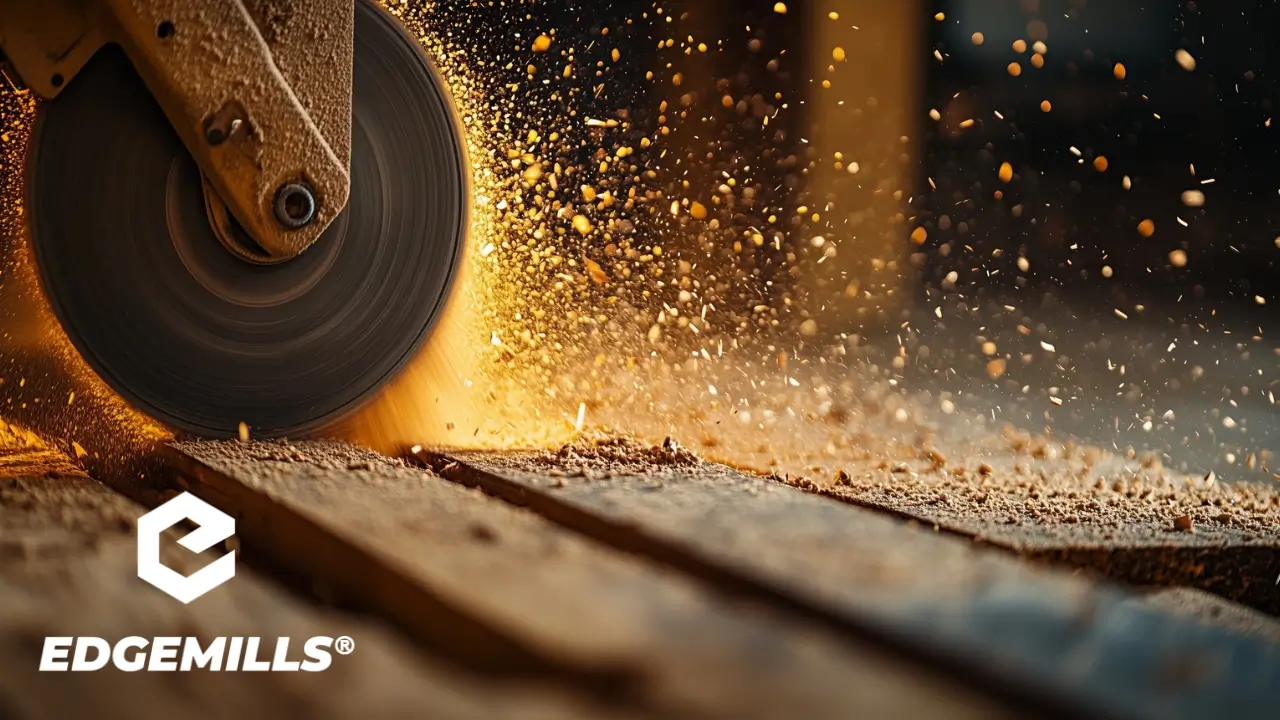
In the modern world of 2026, keeping your equipment at peak performance is a must. A wood chipper is a very powerful machine, but its heart lies in its steel. If your cutting edges are not maintained, your entire job site will slow down quickly. New data for 2026 shows that wood chipper blade sharpening is a vital maintenance task. Dull blades do not just cut poorly; they increase your daily fuel use significantly. For a professional fleet, this means thousands of dollars lost every year in wasted energy. Understanding the right wood chipper blade sharpening frequency will help you stay ahead of others. This guide gives you the facts to build a smart, high-ROI schedule for your gear.
For most pros, the first question is about the timing of their routine maintenance. In the current industry landscape, wood chipper blade sharpening happens every 10 to 50 hours. However, this is a very wide range that depends on many different operational factors. If you are processing clean pine, your edges might last the full 50 hours. But if you work with dirty wood, you must sharpen the blades much sooner. In 2026, leading firms check their blades every single morning before work starts. This simple habit prevents a small problem from becoming a total machine failure later. Keeping a strict wood chipper blade sharpening schedule ensures your team is always working well.
Signs Your Machine Needs Wood Chipper Blade Sharpening
You do not always need a clock to tell you when to grind blades. Your machine will give you several clear signals that its edges are starting to fail.
- Shredded Output: Sharp blades produce clean, square chips or curls that look very uniform. If you see stringy or frayed wood, the blades are likely becoming quite blunt.
- Forced Feeding: A sharp chipper should pull the wood in on its own very easily. If you have to push branches into the hopper, your blades need a new edge.
- Power Spikes: Watch your engine RPMs carefully during a heavy job at the work site. Dull blades cause the engine to bog down and work much harder than usual.
- High Vibration: When a blade is dull, it bashes the wood instead of slicing it cleanly. This creates a rough vibration that can damage your Wood Cutting Blades over time.
- Louder Noise: You will hear a thumping sound instead of a crisp and sharp “whir.” This is the sound of a blunt edge struggling to fracture the wood fibers.
Factors That Change Your Sharpening Frequency
Not all wood is the same, and not all jobs wear steel at the same rate. You must adjust your schedule based on what you are putting into the machine.
Usage Intensity and Volume
For light residential work, you can often go weeks without needing a quick touch-up. However, industrial teams often need wood chipper blade sharpening every 8 to 12 hours. The more material you move, the faster the friction wears down the hardened steel. High-volume teams should always keep a spare set of sharp blades on hand for swaps.
Material Density and Contamination
Hardwoods like teak or hickory are much denser than softwoods found in many areas. These fibers act like a tough wall that dulls the steel much faster than pine. Also, “dirty wood” is the biggest enemy of a sharp and clean cutting edge. Sand, mud, and rocks on the logs act like sandpaper on your metal blades. In 2026, many operators use a pressure washer to clean logs before they enter. This simple step can double the life of your Paper Cutting Blades or knives.
The Science of Professional Wood Chipper Blade Sharpening
Sharpening a blade is more than just making it look shiny and new again. It is a precise process that involves metal removal to match the factory specs.
Precision Grinding and Heat Control
When you use a grinder, you must not overheat the metal during the process. If the steel turns blue, it has lost its “temper” and will become soft. Professional abrasive grinding uses water or air cooling to keep the metal very cool. Most blades require a bevel angle between 30 and 45 degrees for best results. Maintaining this specific angle is the secret to sharpness optimization in the field today.
Blade Balancing After Sharpening
After you grind the metal, the blades might have different weights than before grinding. Even a small difference of 5 grams can cause a huge vibration in the drum. You must perform a blade balancing check before you put them back in service. Balanced blades protect your bearings and extend the total blade lifespan of your gear.
Cost-Benefit Analysis: Sharpening vs. Replacement
In 2026, the price of high-quality steel continues to rise for all industrial users. This makes wood chipper blade sharpening a very cost-effective choice for most busy firms.
| Feature | Sharpening | Full Replacement |
| Initial Cost | Low ($50–$150) | High ($300–$800) |
| Time Needed | 1–2 Hours | 30 Minutes |
| Metal Quality | Maintains original steel | New steel grades |
| Longevity | Adds 100+ hours | Starts fresh |
For a large landscaping firm, regular sharpening can save over $700 per 1,000 hours. It is almost always better to sharpen until the blade reaches its minimum width. Most blades can be ground down by 3mm before they become unsafe for use. Using professional Metal cutting blades ensures you get every bit of life out of steel.
Safety Standards and OSHA Compliance in 2026
Safety is the most important part of any maintenance task on a job site. Under OSHA 1910.266, employers must keep all logging tools in a safe condition. A dull blade is a dangerous blade that can cause many serious workplace accidents. Blunt knives can cause “kickbacks,” where the wood is thrown back at the operator.
The Lockout/Tagout Protocol
Before you touch the blades, you must ensure the machine cannot start up accidentally. This is called a “lockout/tagout” procedure, and it saves many lives every single year. Remove the keys and disconnect the battery to stay safe during the whole process. Always wear heavy-duty gloves when handling food-cutting blades or chipper knives for safety.
Inspection of Bolts and Hardware
While you are doing your wood chipper blade sharpening, check all the mounting bolts. High-vibration environments can stretch or weaken the hardware over a long period of time. Many pros replace their blade bolts every two sharpenings as a form of insurance. This prevents a blade from “exiting” the machine at full speed during a job.
Industry-Specific Sharpening Schedules
Different sectors have different needs for their Plastic Cutting Blades or wood processing gear.
- Landscaping Firms: These teams often deal with mixed brush and common yard waste. They should plan for sharpening every 15 to 20 hours of machine use.
- Forestry and Logging: Working with whole trees and dense wood is a very hard task. These blades need a fresh edge every 8 to 10 hours of run time.
- Biomass Processing: Uniform wood waste is usually much easier on the high-carbon steel. These machines can often go 25 hours before they need a professional grind.
- Municipal Waste: City crews dealing with seasonal storms often face very high debris levels. They should inspect blades after every single job to ensure they are sharp.
Advanced Tools for Sharpness Optimization
In 2026, we have many new tools to help with blade honing and care. Digital protractors allow you to set the perfect angle within a very small range. Automated robotic grinders are now common in big shops for precision blade sharpening today. These machines remove the exact same amount of metal from every blade in sets. This keeps the rotor perfectly balanced without any manual guesswork from the machine operator.
If you work with metal shear blades, these automated services are a great choice. They ensure your cutting-edge maintenance is done to a professional standard every time.
How to Sharpen Wood Chipper Blades at the Job Site
Sometimes you cannot wait for a professional shop to do the maintenance work. You can do a “field sharpen” to finish the day’s tasks quite safely.
- Clean the Blade: Use a wire brush to remove all sap and dirt from the steel.
- Check for Damage: Look for deep nicks or cracks in the metal surface carefully. If you see a crack, do not sharpen it; replace the blade immediately instead.
- Use a Fine-Grit Stone: A sharpening stone or a file can touch up the edge.
- Follow the Bevel: Stay at the factory angle and move the stone in one direction.
- Remove the Burr: Use a very fine stone to smooth out the back of the blade. This blade honing step ensures the edge stays sharp for a much longer time.
While a field sharpen is helpful, it cannot replace a professional wet-grind session. Wet grinding removes the heat and ensures a flat surface for the best efficiency.
Conclusion
The secret to a long-lasting machine is a strict wood chipper blade sharpening routine. By watching for signs of wear, you can save thousands of dollars every year. Whether you use a small garden unit or an industrial drum, steel does work. Protect that steel, and your machine will serve you well for many more years.
Ready to upgrade your gear or get expert help with your equipment maintenance? Visit Edgemills to see our full range of professional industrial tools for your firm.
FAQs
Is it cheaper to sharpen or replace blades?
It is much cheaper to sharpen your blades than to buy a new set. A professional sharpening session usually costs between $50 and $150 for the most common sets. A new set of high-quality blades can cost $400 or even more today. You can typically sharpen a blade 3 to 5 times before it is too thin.
What angle do you sharpen a chipper blade?
Most wood chipper blades are ground to a bevel angle of 30 to 45 degrees. It is very important to maintain the exact factory angle for the best performance. Using a digital protractor can help you keep an angle tolerance of $\pm 0.5^\circ$ easily. This ensures the blade slices the wood instead of smashing it during the operation.
Do you need to sharpen a wood chipper?
Yes, you absolutely need to sharpen your wood chipper blades regularly for safety and efficiency. Dull blades increase the strain on the engine and can lead to dangerous accidents. Regular sharpening also saves you money on fuel and prevents damage to machine bearings. It is a vital part of keeping your equipment running for many long years.
What is the lifespan of a chipper?
A well-maintained commercial wood chipper can last for 10 to 20 years with care. This equals roughly 5,000 to 10,000 operating hours for a high-quality machine used daily. The total lifespan depends on how often you perform routine maintenance like oil changes. If you ignore the cutting edges, the extra vibration will wear out the frame.