
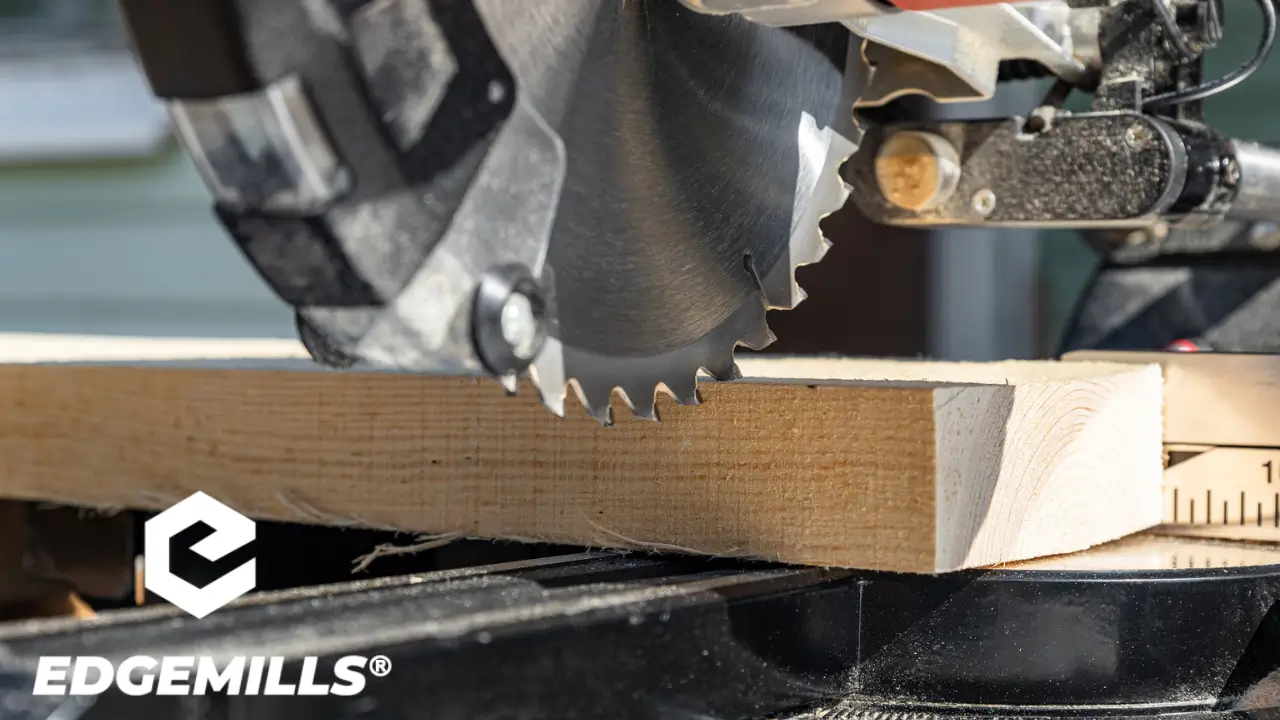
In 2026, forestry needs are changing very fast for every worker today. The wood chipper blades must handle big impacts and high friction daily. Modern tree service pros need tools that stay sharp under high pressure. A high-quality wood chipper blade setup helps you stay very productive now. Choosing a good chipper knife depends on your specific wood processing needs. At Edgemills, we use advanced metals to build these vital machine parts. This guide explains the science behind your industrial wood cutting tools clearly. We will explore materials that make your machines run very safely today.
Materials Used to Make Wood Chipper Blades
Most chipper knives are made from high-alloy tool steel. These wood chipper knives use Chromium and Vanadium to increase overall durability. High-speed steel is a popular choice for tree chipper blades right now. It provides high red hardness even when the machine runs very fast. This cutting-edge tool stays sharp through many hours of heavy work. Some pros prefer the long life of high-carbon D2 tool steel now. This hardened steel offers the best balance of hardness and impact strength.
High-Speed Steel Used for Residential Chippers
High-speed steel is a standard choice for most medium-sized wood machines. This alloy steel uses Tungsten and Molybdenum to resist high heat daily. It is the best blade material for soft wood and leafy brush. These chipping knives are cost-effective and easy to sharpen very well. However, they can be brittle if they hit a hidden metal object. Most chipper shredder blades use this metal for reliable daily use today.
The table below shows the benefits of each material component used.
| Component Name | Percentage | Benefit to the Blade |
| Chromium | 4.0% to 5.0% | Provides very high corrosion resistance |
| Molybdenum | 5.0% to 6.0% | Increases the material durability at high heat |
| Tungsten | 6.0% to 7.0% | Ensures that the sharpness lasts much longer |
| Vanadium | 1.0% to 2.0% | Improves the overall abrasion resistance of steel |
D2 Tool Steel for Professional Industry Use
For heavy work, D2 tool steel is the most trusted metal choice. This wear-resistant metal contains high levels of Carbon and Chromium today. It is perfect for commercial wood chipping where the wood is dry. These wood chipper blades replacement parts offer a much longer blade life. They resist abrasive bark and dirty wood fibers very well right now. At Edgemills, we precision grind these blades for a perfect factory fit.
How Heat Treatment Affects Wood Chipper Blades
The heat treatment process determines the performance of your industrial blades today. Raw steel is too soft to cut through hardwood knots effectively now. Makers use a tempering process to reach the target blade hardness level. Most bandit chipper blades are hardened to a specific HRC level. Proper blade hardening requires extreme temperature control in a vacuum furnace today.
Detailed Steps of the Tempering Process Today
After hardening, the steel must undergo a deep tempering process twice. This step removes internal stress caused by the fast cooling phase. It transforms the metal into a tough, impact-resistant forestry tool. Without this step, your bandit chipper knives would shatter very easily today. We monitor blade forging to ensure absolute metal quality for you. This attention to detail is why our cutting blades lead today.
- Annealing softens the steel for the initial precision grinding stage.
- Hardening heats the metal to over 1800 degrees for structural change.
- Quenching rapidly cools the blade to lock in the new hardness.
- Tempering re-heats the blade to achieve the final desired toughness.
Matching Dimensions for Better Performance
Your wood shredder blades must fit the drum perfectly every time. Small errors in matching dimensions can cause dangerous machine vibrations today. High rotation speed requires all chipper blades to be perfectly balanced. Our Special Cutting Knives are measured using lasers for total accuracy now. This ensures a safe blade installation for your crew every day. We also apply precision grinding to our industrial Paper Cutting Blades.
Applications for Tree Service and Biomass
The use of wood chipper knives varies across different industrial sectors. Tree contractors need heavy-duty blades for clearing large properties very quickly. Biomass facilities need chipper knives that run for twenty-four hours daily. These plants process waste wood into green energy fuel very quickly. Our Metal cutting blades undergo heat treatment for high-impact industrial use. Using the right tool ensures the highest performance efficiency for you.
Commercial Wood Chipping Industry Needs
Commercial operators prioritize edge retention to reduce total operating costs today. They often choose double-edged blades to double the sharpening time interval. These reversible blades can be flipped quickly when they become dull. This feature is essential for maintaining a fast pace in the woods. We also make Plastic Cutting Blades for high-speed recycling facility lines. Every blade we make handles specific material challenges with great ease.
“A sharp blade is the most important safety feature on any machine today.” — Senior Engineer at Edgemills.
Tips for Shredding Leaves and Branches
Processing green waste requires a different edge than dry hardwood logs. Chipper shredder blades must handle wet materials without rusting at all. Stainless steel provides the best protection against organic corrosion right now. These shredding leaves tools are essential for municipal waste teams today. Our Wood Cutting Blades are designed for the most demanding veneer mills. We understand how different wood species affect the wear of tools.
Comparing Wood Chipper Blades and Mulcher Teeth
Many professionals wonder about the difference between these two cutting tools. They both process wood, but their cutting actions are very different. Wood chipper blades use a sharp slicing motion to create chips. Mulcher blades use a blunt crushing force to pulverize wood today. Many customers ask if wood chipper blades are steel or alloys. They are always high-alloy steel to provide maximum strength for work.
This table compares chipper blades and mulcher teeth features.
| Comparison Feature | Wood Chipper Blades | Mulcher Blades |
| Cutting Action | Slicing and Chipping | Grinding and Crushing |
| Material Type | High-Alloy Tool Steel | Tungsten Carbide Tips |
| Output Type | Uniform Wood Chips | Fine Wood Mulch |
| Rotation Speed | High RPM Drum or Disc | Variable Speed Rotor |
Knowing When to Use Reversible Blades
If you work in remote areas, reversible blades are a lifesaver. You can flip chipping knives to get a fresh edge instantly. This saves you from carrying heavy grinders into the deep woods. Double-edged blades are standard for most modern bandit chipper blades. We create Leather Cutting Machine Blades for luxury car upholstery shops. Our engineering team helps you choose the best design for you.
Maintenance and Care for Your Blades
Proper machine maintenance is the secret to a long-lasting cutting tool. You must perform regular blade sharpening to keep things running smoothly. A dull blade forces the engine to work harder today. It creates a dangerous situation where wood can kick back fast. Always use protective gloves when handling any sharp tree chipper blades. Rust prevention is vital if you store your machine outside overnight.
Daily Tasks for Cleaning and Inspection
Perform cleaning blades tasks at the end of every work shift. Remove any stuck sap or wood fibers from the blade surface. This prevents organic acids from causing small pits in the metal. Check for any cracks or chips in the wear-resistant metal body. Steel mills trust our heavy-duty metal shear blades for their work. Consistent inspection prevents a small problem from becoming a total failure.
- Ensure the machine is completely off and locked before you start.
- Use a stiff brush to remove all wood and dust debris.
- Look for nicks or rounded edges on the blade surface today.
- Ensure the anvil clearance is within the factory specs for safety.
- Apply a light coat of oil for overnight rust prevention now.
Safe Procedures for Installing Your New Blades
Installing a new set of wood chipper blades requires a steady hand. Always follow torque specifications for all the mounting bolts you use. Using a safety lock prevents the drum from spinning while working. Never skip a bolt or use old hardware during blade changes. Proper blade safety protects you and your expensive equipment from damage. Contact us for any of your custom Special Cutting Knives now.
Edgemills Leads the Industrial Blade Market
At Edgemills, we are more than just a simple blade supplier. We are your partner in achieving the best results on jobs. Our Houston facility uses the latest technology to make high-performance blades. We understand the unique challenges of the forestry industry very well. Whether you need straight blades or custom designs, we help you. Our commitment to performance efficiency ensures your crew stays productive daily.
Custom Solutions for Every Wood Machine
We provide parts that meet all OEM standards in the industry. Our carbon steel blades are tested for toughness in real conditions. We offer a wide range of industrial blades for every brand. Our experts help you select the steel vs alloy blades choice. We want to ensure your blade replacement process is very fast. Get a Quote Today to see the Edgemills difference for yourself.
FAQs
How long do wood chipper blades last?
Wood chipper blades usually last between five hundred and one thousand hours. Actual lifespan depends on the wood type and the machine rotation speed used. Using hardened steel ensures your chipper knives stay sharp for longer. Regular maintenance and rust prevention help extend the life of blades.
Do chipper blades rust?
Yes, chipper blades can rust quickly if they are exposed to moisture. Most high-performance tool steel alloys do not have high nickel levels. You must perform cleaning blade tasks and apply oil to stop corrosion. Storing your machine in a dry area is the best way.
How to sharpen wood chipper blades?
You should sharpen wood chipper blades using a professional wet grinder. This method prevents the metal from losing its factory heat treatment. Always maintain the original factory bevel angle during the blade sharpening. A sharp cutting edge reduces strain on your engine very significantly.
Where to buy the best wood chipper blades?
You can buy the best wood chipper blades from Edgemills in Houston. We offer a full range of wood chipper knives for brands. Our blades are made from high-quality wear-resistant metal in 2026. We provide fast shipping and expert technical support for every customer.